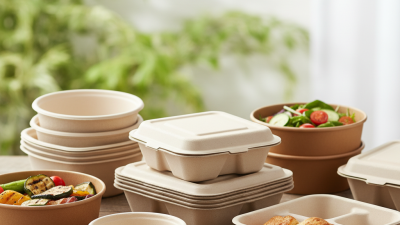
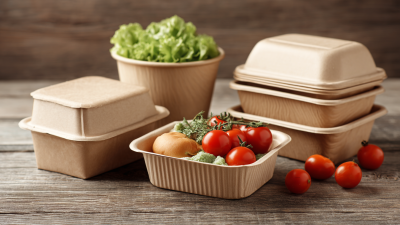
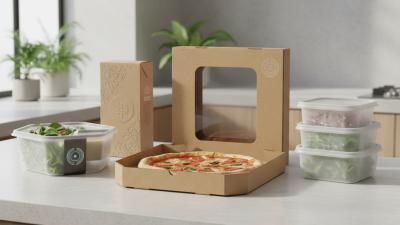
2026 Best Bagasse Trays for Sustainable Packaging Solutions?
As the demand for sustainable packaging grows, Bagasse Trays are emerging as a leading option. These trays, made from sugarcane by-products, offer eco-friendly alternatives to plastic. According to Dr. Emily Chen, an expert in sustainable materials, "Bagasse Trays represent a crucial shift towards environmentally responsible packaging." With increasing awareness of environmental issues, businesses are turning to Bagasse Trays to reduce their carbon footprint.
The versatility of Bagasse Trays makes them suitable for various industries. From food service to retail, their applications are vast. These trays are compostable and biodegradable, breaking down within months. However, the production quality varies significantly among manufacturers. Consumers and businesses alike should seek reliable suppliers to ensure they are using the best products available. This is essential for both performance and sustainability.
Despite their benefits, challenges remain in the widespread adoption of Bagasse Trays. Price fluctuations and sourcing consistency can complicate things. It’s essential for stakeholders to understand these factors. Continuous dialogue and innovation are key to addressing these issues. Bagasse Trays hold great promise, yet their journey to becoming a standard packaging solution is ongoing.
Overview of Bagasse Trays and Their Environmental Benefits
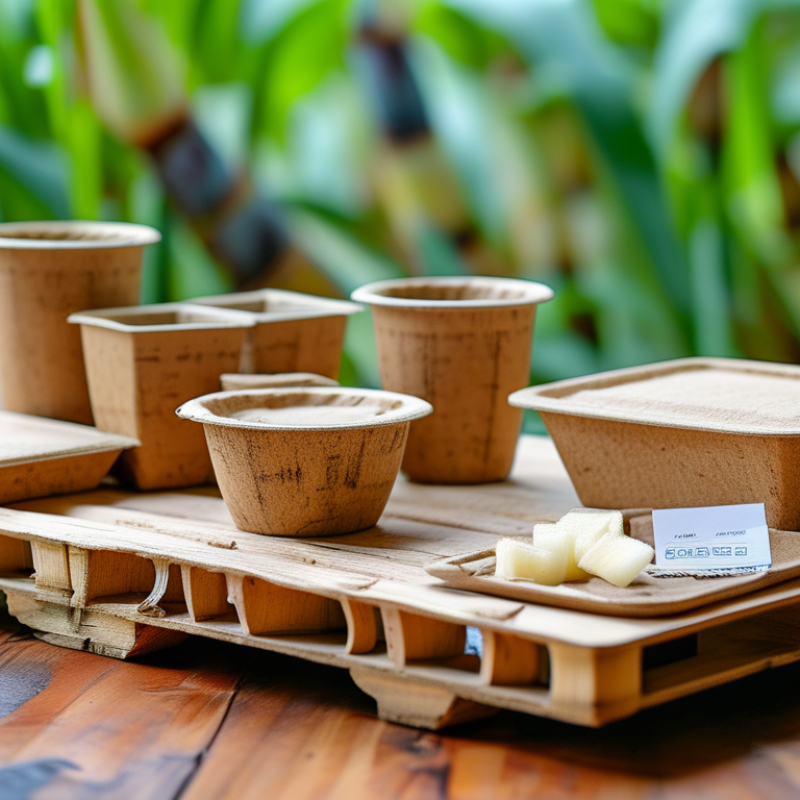
Bagasse trays are an innovative solution for sustainable packaging, made from sugarcane pulp. They offer a renewable alternative to conventional materials. These trays are biodegradable and compostable, breaking down in a matter of months under the right conditions. This characteristic is crucial as the world faces escalating plastic waste issues. A recent study indicates that about 300 million tons of plastic waste are generated annually, with a significant portion coming from single-use packaging.
The environmental benefits of bagasse trays extend beyond their biodegradability. They require less energy to produce compared to plastic. According to the American Chemistry Council, using natural fibers like bagasse can reduce carbon emissions significantly. Additionally, they possess good thermal insulation, making them suitable for hot or cold food items. The materials used in bagasse trays are not just eco-friendly; they are also durable and resistant to leaks. This functionality appeals to businesses looking for effective and sustainable packaging solutions.
However, challenges remain in widespread adoption. Some industries may hesitate due to perceived costs and availability concerns. It is essential for stakeholders to address these issues collaboratively. Encouraging research and development could enhance the properties of bagasse materials. This would optimize their performance and lower prices on a larger scale. Transitioning to sustainable packaging is a complex journey, but the potential environmental benefits make it a necessity.
Key Features to Look for in Sustainable Bagasse Trays
When selecting bagasse trays for sustainable packaging, focus on several key features. One of the most important aspects is their biodegradability. These trays, made from sugarcane byproducts, break down naturally. This characteristic helps reduce landfill waste and supports a circular economy. Look for trays certified by reliable organizations. Certifications ensure the product meets sustainability standards.
Durability is another factor to consider. Bagasse trays should resist moisture and oil. This ensures they can hold various types of food without compromising quality. A sturdy tray minimizes spills and leaks, enhancing the user experience. Consider the tray's design as well. A well-designed tray balances functionality with aesthetics. Consumers often prefer eco-friendly options that are visually appealing.
It's essential to reflect on the sourcing of materials. Ensure that the sugarcane used is ethically harvested. This impacts the overall sustainability of the product. Consumers are becoming increasingly aware of these factors. Therefore, brands must prioritize transparency. Not all bagasse trays are created equal. Take time to research and make informed choices.
Top Brands Offering the Best Bagasse Trays for 2026
As sustainability gains traction, bagasse trays emerge as a top choice for eco-friendly packaging. Made from sugarcane waste, these trays offer a renewable solution. Many brands are stepping up to the plate, producing high-quality models that cater to diverse needs.
Tips for selecting the right bagasse trays include checking for certifications. Look for those that meet compostability standards. This ensures that the products will break down effectively in the right environment. Assess the durability of the trays, especially under various conditions like heat or moisture.
It's important to review customer feedback on different brands. Sometimes, users find the trays not as sturdy as expected. This aspect needs careful consideration. Testing different models can also reveal hidden strengths and weaknesses. Sustainable packaging is evolving, and awareness will drive improvements in quality and design.
Comparative Analysis of Bagasse Trays vs. Traditional Packaging
The demand for sustainable packaging is increasing. A report from Smithers states that the global market for sustainable packaging is projected to reach $500 billion by 2027. This growth reflects a shift towards eco-friendly materials, like bagasse trays. These trays, made from sugarcane pulp, decompose naturally and reduce waste. In contrast, traditional plastic packaging often contributes to long-term pollution.
Bagasse trays offer benefits that traditional options cannot match. They are biodegradable and compostable, with a processing time of just 30 to 90 days in a proper composting environment. Traditional materials, like polystyrene, can take hundreds of years to decompose. A key point to consider is the energy required to produce each type. Bagasse production uses less energy compared to the fossil fuels involved in plastic production.
Tip: When choosing packaging, look for certifications that verify sustainability claims. Third-party certifications can guide your decisions effectively.
Yet, challenges exist. Bagasse trays may not hold up as well as plastic in wet conditions, limiting their use for certain products. Understanding their specifics is crucial. Adapting to these new materials means considering both benefits and limitations. Packaging should align with a brand's values while ensuring product integrity.
Future Trends in Sustainable Packaging Solutions with Bagasse Materials
The future of sustainable packaging is increasingly focused on bagasse materials. Bagasse, derived from sugarcane processing, presents an eco-friendly alternative. This fiber waste can be transformed into durable trays, reducing dependence on plastic. Such innovations align with the growing emphasis on sustainability and circular economy principles.
Many businesses are eager to adopt bagasse trays. These trays are not only biodegradable but also strong enough to hold various products. However, there are challenges. For instance, not all bagasse products are created equal. Some may lack stability under moist conditions. It is essential to ensure quality control and consistency across manufacturers. Education on proper usage will also be vital to maximize their potential.
As consumer preferences shift, companies must adapt. The demand for sustainable options will likely drive innovation in bagasse technology. However, implementation on a large scale poses hurdles. The supply chain for bagasse can be complex, and consistent availability is crucial. Ongoing research and development are needed to refine production methods, ensuring these trays meet market needs effectively. The journey towards sustainable packaging with bagasse is promising but requires careful navigation.