What is Bagasse Tableware and Why is it Eco Friendly?
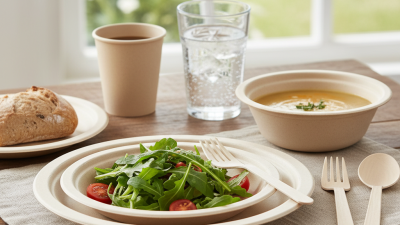
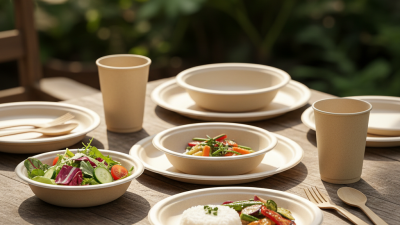
Bagasse Tableware is an innovative alternative to traditional disposable items. Made from the fibrous residue left after sugarcane juice extraction, it offers a sustainable solution for meal serving. As eco-conscious consumers seek greener options, Bagasse Tableware emerges as a hero.
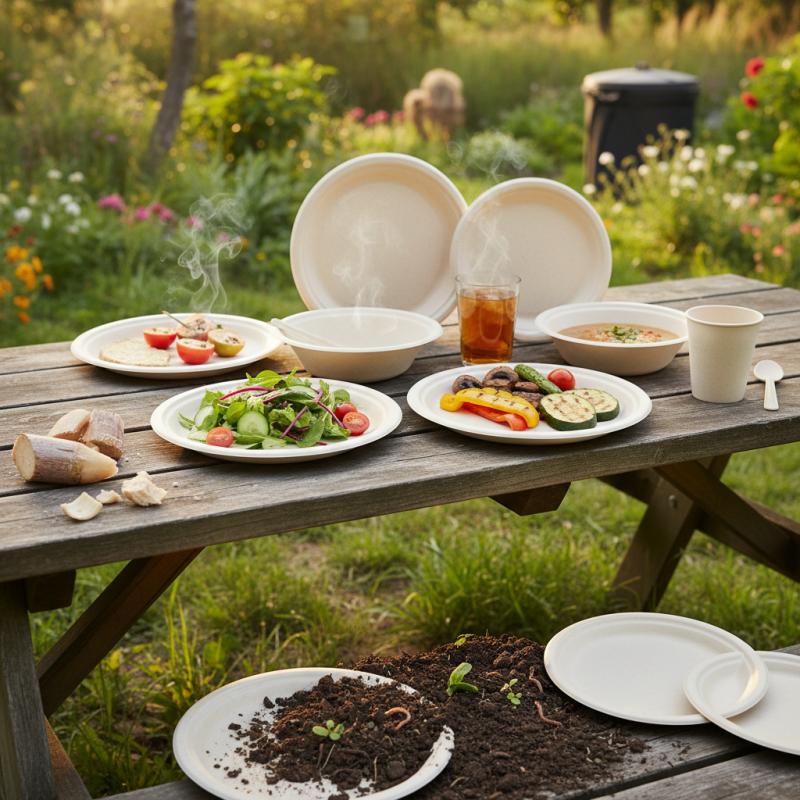
This type of tableware is compostable and biodegradable. Unlike plastic, it breaks down naturally in a short time. This minimizes environmental impact and reduces landfill waste. Imagine using plates that return to the earth instead of polluting it.
However, some might question its durability. While Bagasse Tableware is strong, it has limits. It is crucial to consider its use for different foods. It may not hold up against very hot liquids. So, while it represents progress, there are still applications to refine. Embracing Bagasse Tableware encourages reflection on our consumption choices and their effects on the planet.
Definition of Bagasse and Its Origin
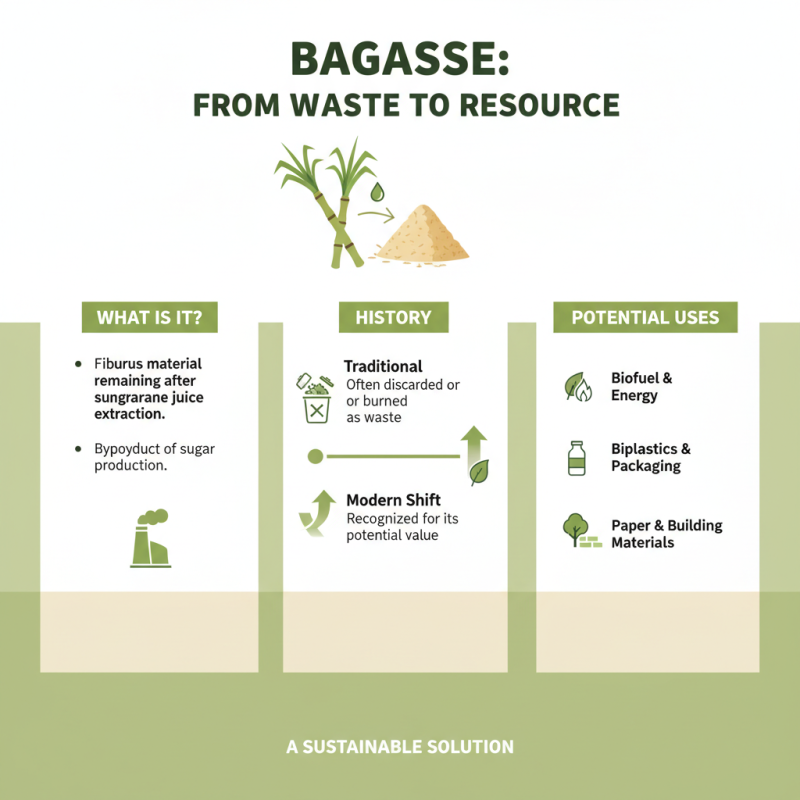
Bagasse is the fibrous material left after sugarcane juice extraction. It has a rich history tied to sugar production. Traditionally, it was often discarded as waste. This practice is changing, as people recognize its potential.
Originating from sugarcane, bagasse is abundant in countries where sugar is a significant crop. This byproduct is strong and durable, making it suitable for various applications. However, many are still unaware of its benefits. Some might think it's just trash, but it can be transformed into eco-friendly tableware.
The process is quite fascinating. After extraction, the bagasse is cleaned and shaped into plates and bowls. The final products are biodegradable and compostable. This reduces landfill waste significantly. Though its journey from waste to tableware is promising, challenges remain. Not all consumers appreciate these products yet. Overall, bagasse represents a shift towards sustainable practices in everyday life.
Materials and Production Process of Bagasse Tableware
Bagasse tableware is made from the fibrous material left after extracting juice from sugarcane. This material is processed into a pulp. It is then formed into plates, bowls, and other dining essentials. The production process is relatively simple and environmentally friendly. Bagasse is a renewable resource. Using it helps reduce waste, promoting sustainability.
When creating bagasse tableware, the focus is on minimal energy use. The manufacturing process requires less water than traditional materials. This efficiency is crucial in conserving resources. The products are often biodegradable, breaking down naturally after disposal. While the strength of bagasse tableware is impressive, some might find it less sturdy than plastic.
Tips for choosing bagasse tableware include checking for quality. Look for items that feel firm. Inspect the surfaces for any imperfections. Even minor flaws can impact usability. Remember, not all bagasse products are created equal. Some may not be as eco-friendly as claimed. Always research before making a purchase.
Environmental Benefits of Using Bagasse Tableware
Bagasse tableware is made from sugarcane pulp. This natural material has gained attention for its eco-friendly qualities. Using bagasse means reducing waste. After sugar extraction, bagasse can be recycled into plates, bowls, and cups. This process helps divert organic matter from landfills.
One significant environmental benefit is its biodegradability. Unlike plastic, bagasse will break down naturally. This minimizes pollution and conserves resources. Moreover, the production of bagasse tableware uses less water compared to traditional paper products. This aspect significantly lowers the environmental impact. However, the supply chain for raw materials must be sustainable.
Yet, there are challenges. Not all bagasse products are made equally. Quality can vary, impacting performance. Some consumers may still prefer plastic for its durability. There is still a learning curve around choosing eco-friendly options. It’s essential to address these issues while promoting awareness. Encouraging mindful consumption is crucial for sustainability.
What is Bagasse Tableware and Why is it Eco Friendly? - Environmental Benefits of Using Bagasse Tableware
| Aspect |
Description |
Environmental Benefits |
| Material |
Made from sugarcane waste |
Reduces agricultural waste |
| Biodegradability |
Breaks down naturally in the environment |
Minimizes landfill waste |
| Sustainability |
Renewable resource |
Supports sustainable agriculture |
| Carbon Footprint |
Lower emissions during production |
Reduces greenhouse gas emissions |
| Food Safety |
Free from harmful chemicals |
Safe for food contact |
| Usage |
Suitable for hot and cold foods |
Versatile and practical for multiple applications |
Comparing Bagasse Tableware with Other Eco-Friendly Options
Bagasse tableware, made from sugarcane pulp, is increasingly popular in eco-friendly dining options. Compared to traditional plastics, bagasse is biodegradable and compostable. In fact, it can decompose within 90 to 180 days under the right conditions. The global demand for sustainable packaging has doubled in recent years, leading to a significant rise in bagasse products.
When we consider the alternatives, bagasse stands out. Unlike polystyrene, which can take hundreds of years to break down, bagasse offers a more sustainable solution. However, it's essential to note that not all bagasse products have the same quality. Some may lack durability, leading to concerns about their use for heavy foods.
Additionally, the carbon footprint of bagasse is lower than plastic and paper. Reports indicate bagasse production emits 50% less CO2 compared to traditional packaging methods. However, sourcing sugarcane requires significant water and land. This aspect prompts a conversation on resource allocation and sustainability in the long term. Evaluating these factors helps consumers make more informed choices about eco-friendly tableware.
Applications and Uses of Bagasse Tableware in Daily Life
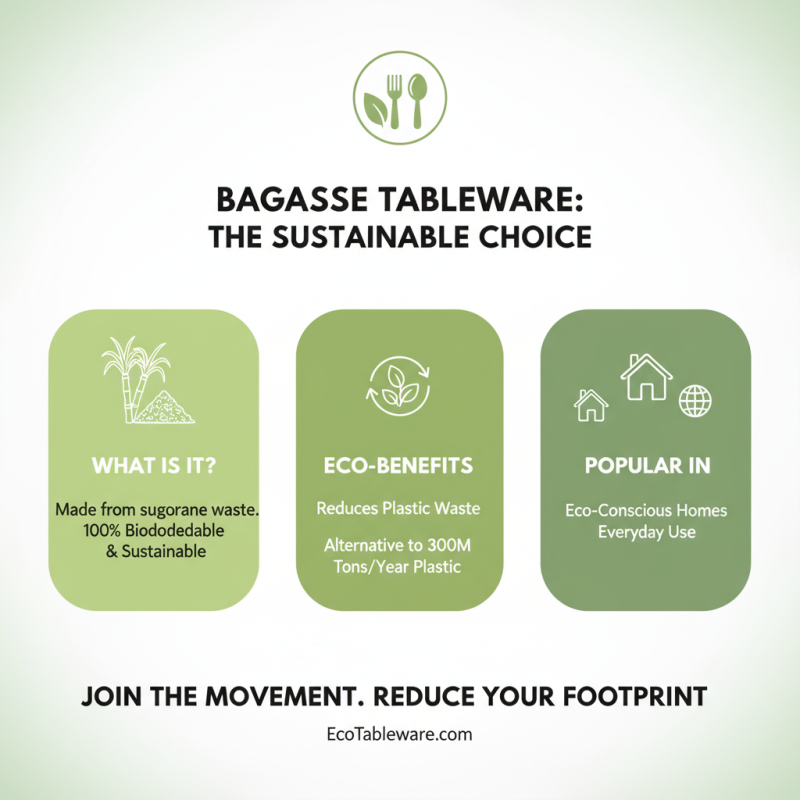
Bagasse tableware is gaining popularity in daily life, particularly in eco-conscious households. Made from sugarcane waste, it is both biodegradable and sustainable. A recent report indicates that using bagasse can reduce plastic waste significantly. With around 300 million tons of plastic produced each year, alternatives like bagasse are crucial.
In kitchens and dining settings, bagasse tableware is versatile. It can handle both hot and cold foods without leaking. Many restaurants have also adopted these products for takeouts. According to a study, companies can enhance their green credentials by incorporating bagasse, often attracting more customers. However, awareness of these benefits remains low among some consumers.
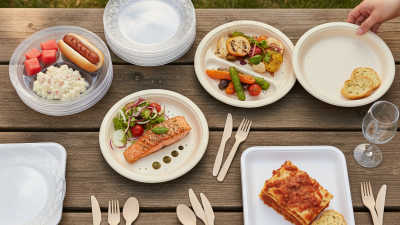
Events and parties have seen a rise in bagasse usage too. Compostable plates and utensils not only look elegant but also break down naturally within months. Though costs may vary, the environmental impact is worth considering. Yet, some still doubt the durability compared to traditional plastic. People must weigh the pros and cons carefully.