How to Use Bagasse Tableware for Sustainable Dining?
In a world increasingly aware of environmental impacts, Bagasse Tableware offers a sustainable dining solution. Experts highlight its benefits. Dr. Emily Thompson, a leading authority in sustainable materials, emphasizes, “Choosing bagasse products reduces waste and supports eco-friendly practices.”
Bagasse Tableware is made from sugarcane waste. This natural material decomposes easily and is an excellent alternative to plastic. However, many consumers remain unaware of its advantages. It’s essential to educate diners about its quality and sustainability.
Using Bagasse Tableware can enhance a dining experience while promoting sustainability. Each plate or cup tells a story of renewable resources and thoughtful choices. Yet, the challenge lies in ensuring that this shift becomes mainstream. The more we inform, the better choices we make together.
Understanding Bagasse and Its Environmental Benefits
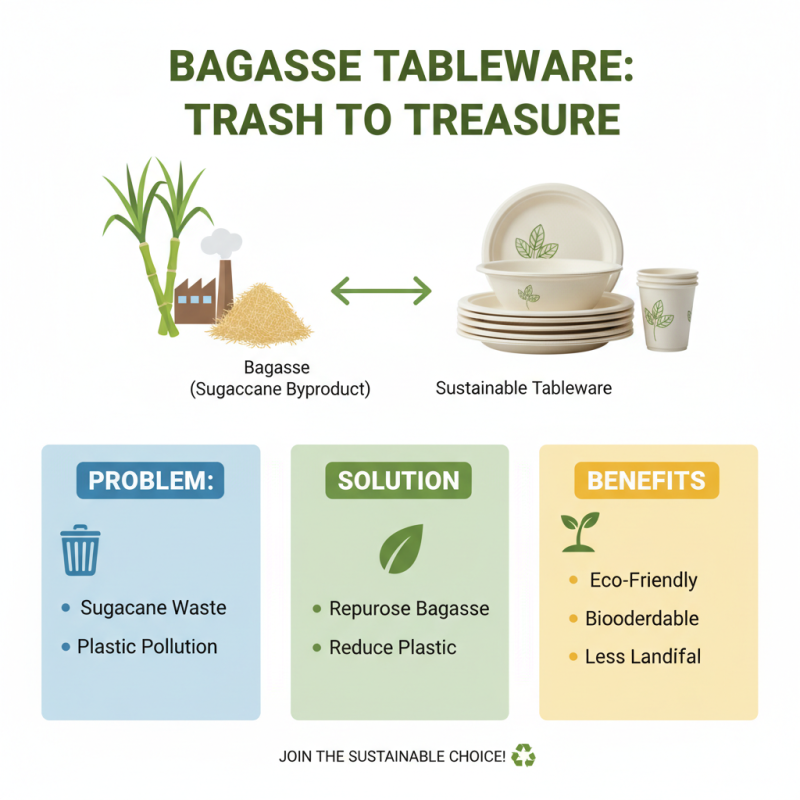
Bagasse is the fibrous byproduct of sugarcane. After the juice extraction, what remains is often discarded. However, bagasse has emerged as a sustainable material for tableware. Using it reduces waste and limits the need for plastic. This repurposing is an example of turning trash into treasure.
The environmental benefits are clear. Bagasse tableware is biodegradable and compostable. It breaks down naturally, returning nutrients to the soil. This contrasts sharply with plastic, which lingers for hundreds of years. Additionally, the production of bagasse tableware requires less energy compared to traditional materials.
Yet, there are challenges to consider. The quality can vary. Some products may not be sturdy enough for all meals. It’s important to choose wisely and be aware of these imperfections. Sustainability is not just about using eco-friendly materials. It also involves ongoing reflection and improvement in our choices and habits.
Types of Bagasse Tableware Available in the Market
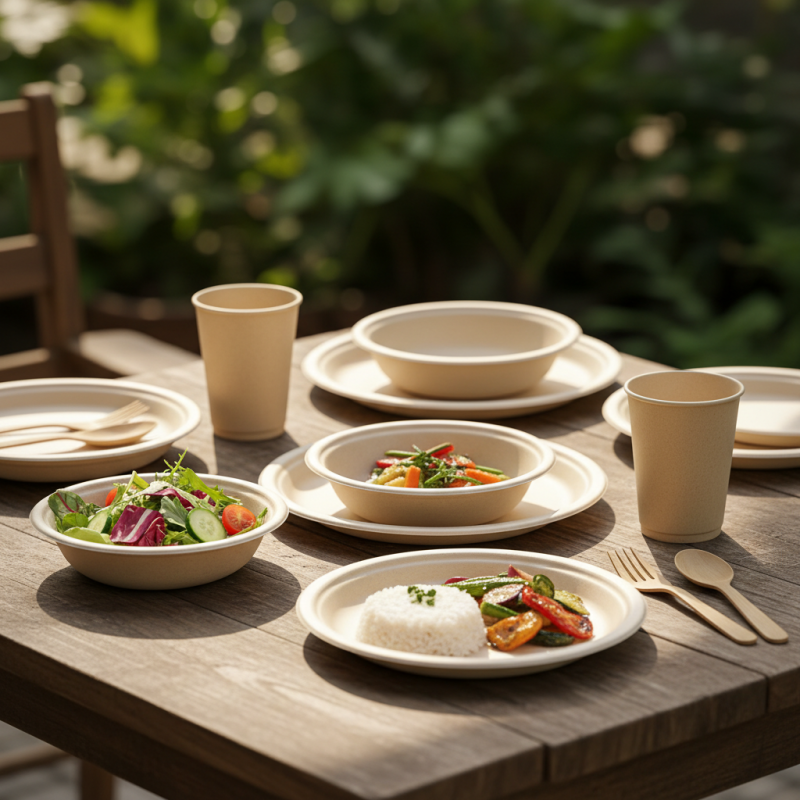
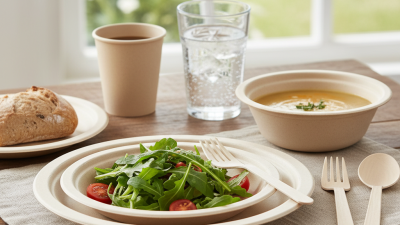
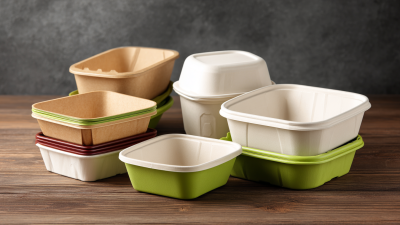
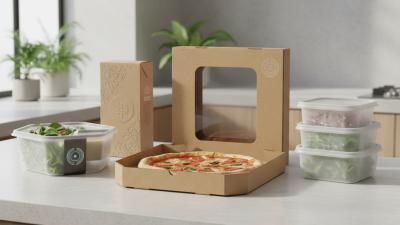
Bagasse tableware has gained popularity in eco-friendly dining. This type of tableware is made from sugarcane waste. It’s biodegradable and compostable, making it a great choice for sustainability. In the market, there are various forms of bagasse products. You can find plates, bowls, and even utensils made from this material. They come in different sizes and shapes. This variety makes bagasse tableware suitable for many occasions.
One notable aspect of bagasse tableware is its durability. Unlike traditional paper plates, bagasse products can hold hot and cold foods well. They resist leaks, which is a significant improvement. Some people may overlook the fact that not all bagasse tableware is the same. The quality can vary widely. It’s essential to check for certification to ensure they are truly eco-friendly. While many are compostable, they might not break down in regular situations.
Another important consideration is the aesthetic appeal. Bagasse tableware often has a natural, rustic look that enhances dining experiences. However, some users find them less elegant than porcelain or glass. This preference can lead to mixed feelings about their use for special occasions. Experimenting with different styles and presentations may help in making a better choice.
Tips for Choosing Quality Bagasse Tableware
Choosing quality bagasse tableware is essential for a sustainable dining experience. When selecting these eco-friendly plates and bowls, consider their durability. Thin, flimsy tableware can break easily. Look for pieces that can hold food securely without bending.
Pay attention to the manufacturing process. Quality bagasse tableware should be made from sugarcane byproducts. Avoid items with excessive additives or chemicals. A clean and simple design is often a good indicator of quality. Check for smooth edges and surfaces; rough spots can make dining less enjoyable.
Color can also affect your choice. Natural tones feel warm and inviting. Brightly colored options may contain dyes that are not eco-friendly. Additionally, consider the size of the pieces. Smaller plates may not be suitable for larger meals. Striking a balance between functionality and aesthetics will enhance your dining experience. Remember, not every piece will meet your expectations. Be prepared to try different options to find what works best for you.
Usage of Bagasse Tableware in Sustainable Dining
Best Practices for Using Bagasse Tableware in Dining
Bagasse tableware is an eco-friendly option for sustainable dining. Made from sugarcane fiber, it’s biodegradable and compostable. This makes it a better choice than traditional plastic. When using bagasse tableware, consider the presentation. The natural texture and color add a rustic charm to any meal.
Ensure proper temperature management. While bagasse is sturdy, it can struggle with extremely hot or oily foods. Avoid serving soups or stews directly in bagasse containers. Instead, use them for salads, pastas, or baked goods. Also, give guests a heads-up. Some may not be familiar with this material and might have concerns.
Cleaning can be tricky. Though it’s disposable, and that's its charm, consider any potential food residue. Rinsing dishes before disposal helps minimize waste at composting sites. Remember, not all bagasse products are created equal. Look for reliable sources that prioritize sustainability in their manufacturing process. This choice reflects a commitment to the planet, even when full sustainability is not achieved.
How to Use Bagasse Tableware for Sustainable Dining? - Best Practices for Using Bagasse Tableware in Dining
| Best Practices |
Benefits |
Usage Tips |
| Choose high-quality bagasse tableware |
Biodegradable and compostable |
Avoid using for high-moisture foods |
| Ensure proper disposal after use |
Reduces landfill waste |
Recyclables should be sorted correctly |
| Consider using for both hot and cold foods |
Versatile for various dining scenarios |
Limit exposure to heat for prolonged periods |
| Combine with other eco-friendly products |
Promotes overall sustainability |
Select utensils and straws made from sustainable materials |
| Educate consumers on benefits |
Increases awareness of sustainability |
Provide information on disposal and composting |
Effective Disposal and Composting of Bagasse Tableware
When choosing bagasse tableware, it’s essential to consider how to dispose of it properly. Bagasse is biodegradable, made from sugarcane fibers. After enjoying your meal, you can place the used tableware in a compost bin. This process allows it to break down naturally. However, not all compost bins are the same. Some may not reach the necessary temperature for biodegradation. Always check the guidelines.
Many people overlook the importance of composting. If your community doesn't have a compost program, you might consider other options. You could create a small compost pile in your backyard. This method requires effort and attention. Keep it moist and turn it frequently. During these steps, you might find obstacles. Maybe you have pests or bad odors. These issues remind us that composting requires patience and dedication.
Disposing of bagasse tableware correctly can make a big difference. Though some might throw it in the regular trash, this isn't ideal. It leads to unnecessary waste in landfills. Engaging in sustainable practices can sometimes feel overwhelming. However, every small effort counts. Encouraging friends to adopt these practices can amplify your impact.