Leave Your Message

Top 10 Benefits of Using Bagasse Tableware for Eco-Friendly Dining?

In recent years, eco-friendly alternatives have gained traction among environmentally conscious consumers. One such option is Bagasse Tableware, made from sugarcane fibers. This biodegradable material is both practical and sustainable. Using Bagasse Tableware can significantly reduce waste in landfills.

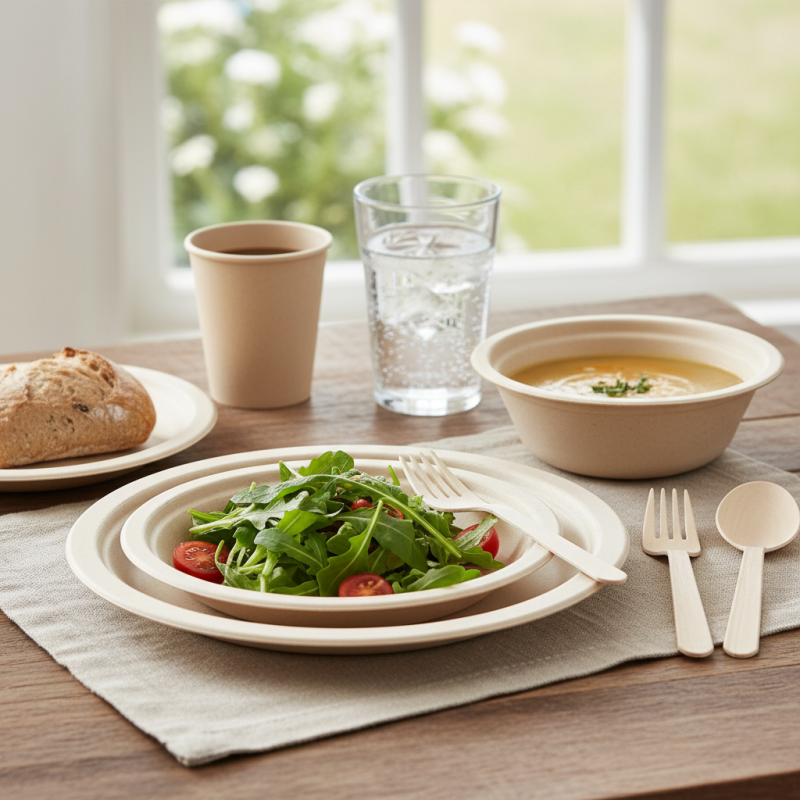
Moreover, it offers a sturdy and durable option for dining. Unlike plastic, Bagasse does not leach harmful chemicals. Many people, however, overlook its benefits in everyday use. The aesthetic appeal of Bagasse Tableware is often underrated; it fits well in various dining settings.

Choosing Bagasse Tableware promotes a greener lifestyle. It sparks discussions about sustainable practices among friends and family. Despite its advantages, some might still prefer traditional materials out of habit. A shift toward Bagasse Tableware requires a collective effort and commitment. It’s time to reflect on our choices for a better planet.
Top 10 Benefits of Using Bagasse Tableware for Eco-Friendly Dining?

Understanding Bagasse: What It Is and How It's Made

Top 10 Benefits of Using Bagasse Tableware for Eco-Friendly Dining?

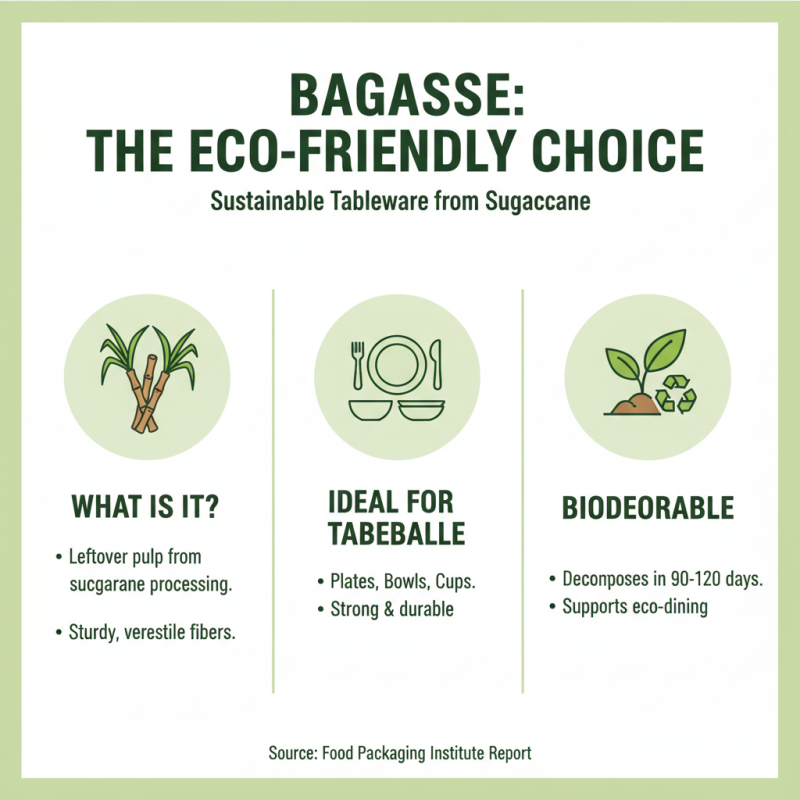
Bagasse is a byproduct made from sugarcane fibers. When the sugarcane is processed, the leftover pulp is bagasse. This material is sturdy and versatile, which makes it ideal for tableware production. Unlike traditional plastic, bagasse is biodegradable. According to a report by the Food Packaging Institute, it decomposes within 90 to 120 days. This characteristic supports eco-friendly dining initiatives.

Producing bagasse tableware requires low energy and resources. The process includes pulping, shaping, and drying the fibers. It involves minimal chemicals, and the result is a product that is both strong and compostable. The USDA reports an increase in bagasse production by around 15% annually. This growth reflects a rising consumer demand for sustainable alternatives.

Tips for using bagasse tableware include avoiding high temperatures, as it may affect integrity. Store them in dry conditions to prevent moisture absorption. While bagasse is eco-friendly, it’s essential to remember it still requires proper disposal to achieve its full environmental benefits. By choosing bagasse, we take a small step toward reducing plastic waste while enjoying a practical and stylish dining experience.
The Environmental Impact of Traditional Tableware vs. Bagasse

Traditional tableware often contributes heavily to environmental issues. Most items are made from plastic or non-recyclable materials. These products take centuries to decompose. The result? Landfills overflowing and ocean pollution harming wildlife. Each piece used adds to the growing crisis.

In contrast, bagasse tableware is a sustainable alternative. Made from sugarcane waste, it is biodegradable and compostable. This means it can return to the earth without causing harm. Using bagasse helps reduce the reliance on synthetic materials. However, it’s important to consider its production impact, too. The environmental benefits begin during the manufacturing process. Choosing bagasse helps to encourage eco-friendly practices. Yet, not every facility uses sustainable energy.

Making conscious choices matters. Bagasse tableware can significantly lessen your carbon footprint. Just like with any product, awareness is key. Consumers should seek information about sourcing and manufacturing practices. It's not just about switching materials; it's about cultivating a sustainable mindset. With careful consideration, we can make dining more eco-friendly while reflecting on our consumption habits.

Top Advantages of Using Bagasse for Eco-Friendly Dining

Choosing bagasse tableware can significantly enhance eco-friendly dining experiences. Bagasse is made from sugarcane byproducts, making it a renewable resource. This means less reliance on plastic and other harmful materials. Many people appreciate its biodegradable properties. When disposed of, bagasse products break down naturally, minimizing pollution in landfills.

Another advantage of bagasse is its sturdiness. It can hold both hot and cold foods without leaking. This quality makes it ideal for various dining situations, from casual picnics to formal events. However, some users may find that it doesn't always hold up to heavy items, requiring further evaluation.

Cost-effectiveness is another consideration. While bagasse might initially seem pricier, its environmental benefits are invaluable. Many consumers recognize that investing in sustainable products aligns with their values. Yet, not everyone fully understands how their choices impact the environment. Raising awareness is crucial for broader acceptance of bagasse as a go-to dining option.

Top 10 Benefits of Using Bagasse Tableware for Eco-Friendly Dining

Health and Safety Benefits of Choosing Bagasse Tableware

Choosing bagasse tableware is a smart decision for health and safety. This natural product comes from sugarcane waste, which means it’s biodegradable. Using bagasse helps cut down on plastic waste. It decomposes quickly, adding to its eco-friendliness.

Unlike plastic plates, bagasse tableware does not leach chemicals into food. This makes it a safer option for serving hot or cold meals. The durability of bagasse is another advantage. It can hold heavier dishes without breaking easily. However, some users may worry about its sturdiness compared to traditional materials.

While bagasse is generally safe, ensure it’s sourced properly. Not all bagasse products are created equal. It’s crucial to check certifications if you want the best quality. Some bagasse tableware may not be as resilient as expected, especially under extreme conditions. It's essential to balance convenience with genuine safety practices. By choosing bagasse, you help protect the environment and prioritize health.

Top 10 Benefits of Using Bagasse Tableware for Eco-Friendly Dining

Benefit Description Health Impact
Biodegradable Breaks down naturally, reducing landfill waste. Promotes a healthier environment.
Compostable Can be composted in commercial facilities. Returns nutrients to the soil.
Non-Toxic Free from harmful chemicals like BPA. Safer for food contact and user health.
Durable Strong enough for both hot and cold foods. Reduces the risk of breakage and spills.
Renewable Resource Made from sugarcane remnants, a waste product. Supports sustainable production practices.
Versatile Available in various sizes and shapes for all occasions. Accommodates a wide range of foods and events.
Aesthetically Pleasing Natural look that enhances presentation. Creates a positive dining experience.
Cost-Effective Often competitively priced compared to plastic. Saves money while being environmentally friendly.
Supports Healthier Choices Promotes eco-friendly dining options. Encourages a sustainable lifestyle.
Easy to Use Lightweight and convenient for various settings. Enhances user experience with practical design.

Cost-Effectiveness and Versatility of Bagasse in Catering and Events

Bagasse tableware offers remarkable cost-effectiveness for catering and events. Made from sugarcane fiber, it is both sturdy and lightweight. This makes it easy to handle and transport. Event planners find it an economical choice. It reduces the need for expensive dishware rentals. Using bagasse can also lower waste disposal costs.

Another advantage is bagasse's versatility. It can hold a variety of hot and cold foods. From salads to desserts, it works well. This adaptability means fewer products are needed for different types of meals. Even so, some users report occasional issues with leakages, especially with very wet food. Testing is essential to ensure optimal performance, highlighting an area for growth.

Sustainability is a major selling point. Bagasse is compostable and biodegradable. This is a vital consideration for eco-conscious events. However, not everyone understands the importance of choosing sustainable options. It is crucial to educate consumers on their choices. The path to eco-friendly dining is not always clear, revealing opportunities for improvement.