Best Lunch Box Options for Busy Professionals Today?
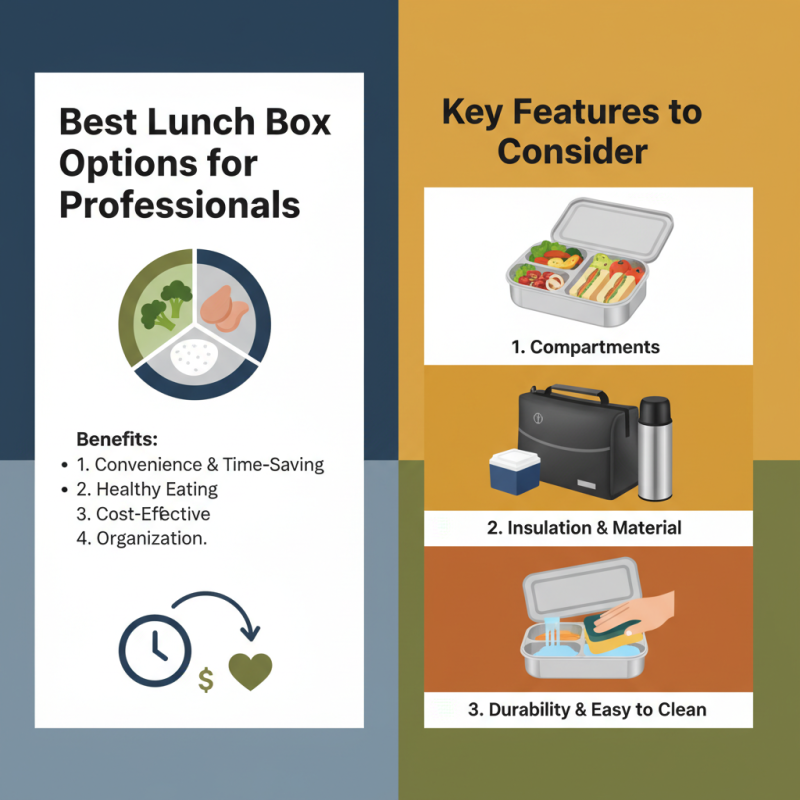
In today's fast-paced world, busy professionals often struggle to balance work and health. A great solution is investing in a good lunch box. The right lunch box can make meal prep convenient and enjoyable. It allows you to bring nutritious meals to the office while saving time and money.
Choosing a lunch box requires careful consideration. There are many types available, each with unique features. Some offer compartments for different food items, while others focus on insulation. The choices seem endless, which can feel overwhelming. However, finding one that fits your needs can make a significant difference.
Think about your daily routine and food preferences. A lunch box that suits your lifestyle can save you from unhealthy takeout options. It's essential to choose one that is durable and easy to clean. Small details matter. These choices reflect a commitment to your health and well-being. The right lunch box doesn't just hold food. It embodies a more organized and balanced life.
Best Lunch Box Options for Busy Professionals Today
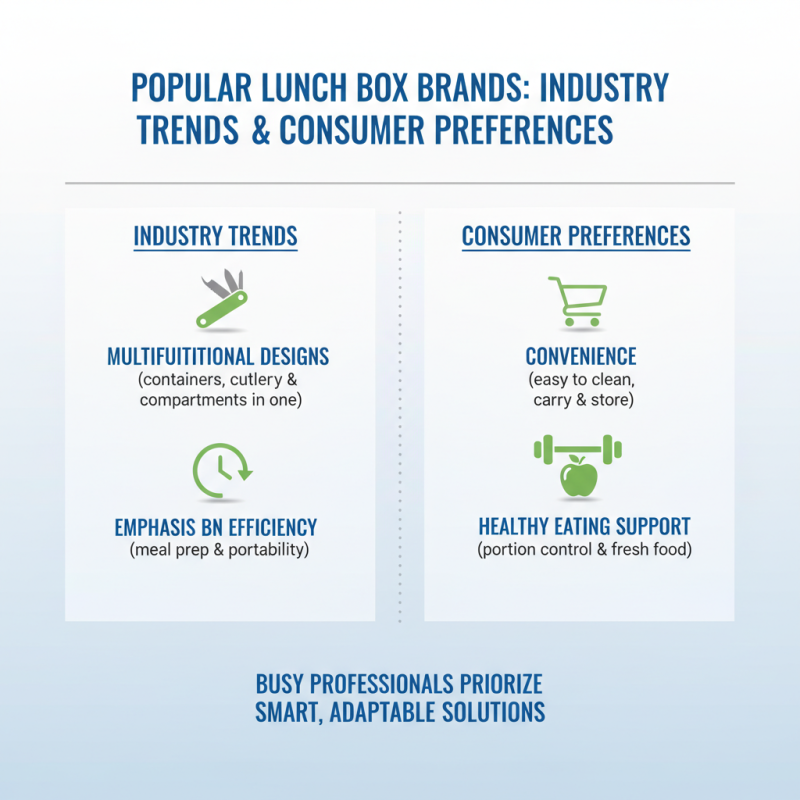
In today's fast-paced world, busy professionals need practical lunch box solutions. Studies indicate that 83% of employees feel more productive when they eat a balanced meal. A good lunch box should cater to convenience while keeping meals fresh. Insulated options are becoming preferred, as they maintain temperature and prevent spoilage.
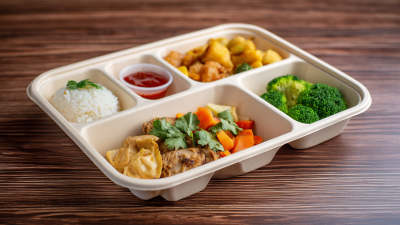
Many professionals opt for compartmentalized designs. These allow for a variety of foods without mixing flavors or textures. Research shows that diverse meals increase satisfaction and energy levels. However, some people struggle to prepare meals daily. Prepping can seem overwhelming, leading to reliance on unhealthy takeout.
Portability remains a key factor. A good lunch box should fit easily into bags or backpacks. Yet, achieving the right balance between size and capacity is vital. Many users find that overly compact boxes restrict meal options. Continuous feedback from professionals indicates the need for versatile and reliable solutions that simplify mealtime.
The Rise of Meal Prepping: Efficiency and Health Benefits
Meal prepping has gained popularity among busy professionals. According to a report by the Food Institute, 60% of Americans regularly prepare meals in advance. This practice is not just about saving time; it offers significant health benefits as well. When you plan your meals, you control portion sizes and ingredients. You can choose fresh, nutritious options that linger in your lunch box rather than unhealthy takeout.
Creating a meal prep routine can lead to weight management and improved nutrition. Research from the International Journal of Behavioral Nutrition and Physical Activity suggests that planned meals reduce the likelihood of overeating. Many busy professionals find that dedicated meal prep days, like Sundays, allow them to stay organized during the week.
Tip: Start small by preparing just two meals weekly. You can gradually increase as you find your rhythm. Remember to invest in quality containers; they can keep your meals fresh and organized. It can be challenging to maintain consistency, but tracking your progress can help keep you motivated. Meal prepping isn't just convenient; it fosters a healthier lifestyle.
Best Lunch Box Options for Busy Professionals Today
Top Features to Look for in a Professional Lunch Box
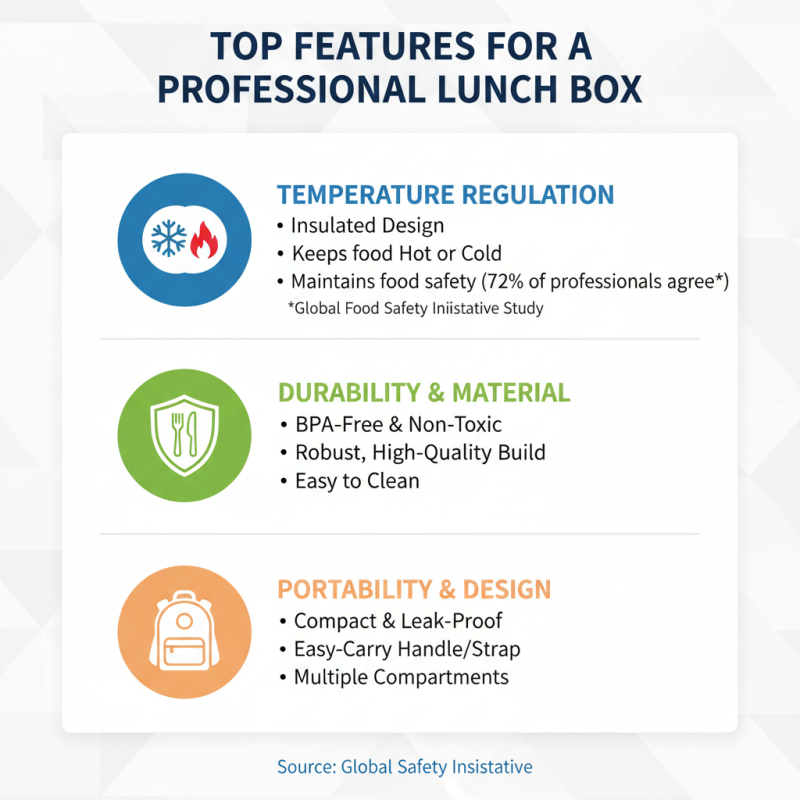
When choosing a lunch box, busy professionals should focus on key features that enhance usability and practicality. A robust study by the Global Food Safety Initiative highlights that 72% of employees prefer insulated containers for keeping food at safe temperatures. This is critical for maintaining food quality. Look for boxes that can handle both hot and cold meals.
Another important consideration is compartmentalization. Research from the National Restaurant Association indicates that 65% of professionals are more likely to pack a varied lunch if their containers have multiple sections. This encourages healthy eating habits. Additionally, materials matter. BPA-free plastics are a must. They ensure safety while being lightweight and durable, appealing to those constantly on the go.
Some may overlook the importance of portability. A recent survey shows that 47% of workers found that bulky containers hinder their daily routines. Opt for sleek designs that can fit into bags easily. However, not all lunch boxes are created equal. In some cases, closures can wear out, allowing spills. This is a key factor to reflect upon when making a purchase decision. If a lunch box doesn't meet specific needs, it may lead to food waste or poor meal experiences.
Eco-Friendly Lunch Boxes: Sustainable Choices for Busy Lifestyles
As busy professionals seek convenience, eco-friendly lunch boxes have emerged as a top choice. These sustainable options significantly reduce waste while also offering practical solutions for daily meals. Many of these lunch boxes feature insulated materials that keep food fresh and at the right temperature. They are designed with multiple compartments, making it easy to pack a balanced meal.
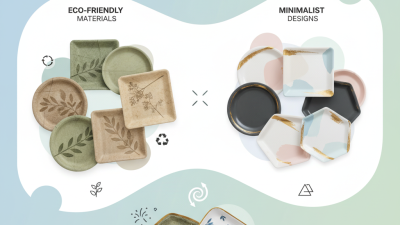
Adopting an eco-friendly lunch box style presents challenges too. Not all options are equally durable. Some materials can wear down quickly. Both quality and design matter. It’s essential to consider the lifespan of a lunch box. Investing in a reliable product saves money in the long run. There are numerous styles available, from stainless steel to biodegradable options.
The transition to sustainable lunch boxes doesn’t always go smoothly. Professionals may forget to bring their containers, reverting to disposable choices. It’s a constant learning process. Staying committed to sustainability requires thoughtful planning and organization. It’s about gradually making better choices that contribute to a healthier planet. Balancing busy schedules with eco-conscious habits can indeed be a daunting task.