Best Paper Plate Options for Every Occasion You Need
When it comes to hosting various gatherings, the choice of dining ware significantly influences both convenience and the overall dining experience. Among disposable dinnerware options, paper plates have gained immense popularity due to their versatility and eco-friendliness. According to a report by Smithers Pira, the global paper plate market is projected to reach $3.56 billion by 2026, reflecting an increasing consumer shift towards sustainable dining solutions. This growth signifies a rising demand for paper plate options that cater to every occasion, from casual picnics to formal events.
In recent years, environmental awareness has prompted many consumers to seek out products that minimize their ecological footprint. Paper plates have emerged as a practical alternative to plastic, presenting benefits such as biodegradability and reduced waste. Industry statistics indicate that over 60% of consumers consider the environmental impact of their dining choices, highlighting the necessity for products that satisfy both practical needs and sustainable practices. This article will explore the best paper plate options available, ensuring you have the right choices for every occasion while keeping sustainability in mind. Whether hosting a summer barbecue or a birthday party, selecting the ideal paper plate can elevate your event while aligning with eco-conscious values.

Best Paper Plate Materials: An In-Depth Comparison of Options
When it comes to selecting the ideal paper plates for various occasions, the choice of materials plays a crucial role in ensuring functionality and sustainability. There are several common materials used in the production of paper plates, each with its own characteristics and applications. The three primary types include bleached paper, unbleached paper, and compostable materials. A recent industry report indicates that bleached paper plates are popular for their cleanliness and aesthetic appeal, making them suitable for formal events. However, they involve a chemical whitening process that raises concerns about environmental impact.
In contrast, unbleached paper plates are gaining traction due to their eco-friendliness and natural appearance. They are manufactured without the use of harsh chemicals, making them a preferred choice for outdoor gatherings and casual dining. According to the Environmental Protection Agency, choosing unbleached options can significantly reduce harmful waste generated by conventional tableware. Additionally, compostable plates, often made from renewable resources like sugarcane or bamboo, are emerging as a viable alternative. Research shows that these materials break down more efficiently in commercial composting facilities, contributing to waste reduction efforts while still providing strength and durability.
Selecting paper plates according to the occasion and material type can greatly enhance the dining experience while minimizing environmental impact. Understanding the benefits and drawbacks of each option can guide consumers in making more informed decisions that align with their values and needs.
Eco-Friendly Paper Plates: Types and Environmental Impact Statistics
When selecting paper plates for various occasions, it's important to consider not only their practicality but also their environmental impact. Eco-friendly paper plates are typically made from sustainable materials, such as recycled paper or bamboo, and are biodegradable, making them a more environmentally responsible choice. Many of these options decompose within a few months, significantly reducing the long-term waste associated with traditional plastic disposables.
Moreover, the production of eco-friendly paper plates often involves fewer harmful chemicals and a lower carbon footprint compared to conventional plates. For instance, some manufacturers use water-based inks and adhesives, further minimizing environmental harm. Statistics show that a switch to biodegradable options can drastically decrease pollution and reduce the volume of waste sent to landfills. By choosing paper plates that prioritize sustainability, consumers can enjoy convenience without compromising their commitment to a healthier planet.
Best Paper Plate Options for Every Occasion You Need - Eco-Friendly Paper Plates: Types and Environmental Impact Statistics
| Plate Type |
Material |
Compostable |
Recyclable |
Average Cost ($) |
Environmental Impact (grams CO2e per 10 plates) |
| Classic Paper Plates |
Wood Pulp |
Yes |
Yes |
6.00 |
120 |
| Strong Paper Plates |
Recycled Paper |
Yes |
Yes |
8.00 |
150 |
| Palm Leaf Plates |
Palm Leaves |
Yes |
No |
12.00 |
80 |
| Bamboo Plates |
Bamboo |
Yes |
Yes |
15.00 |
70 |
| Sugarcane Plates |
Bagasse |
Yes |
Yes |
10.00 |
60 |
Durability Test: How Different Paper Plates Hold Up Under Pressure
When selecting the best paper plates for various occasions, the focus on durability becomes paramount. Not all paper plates are created equal, and understanding how they hold up under pressure can significantly enhance your dining experience, especially during picnics, parties, or casual gatherings. Our durability test assesses different types of paper plates to determine which can withstand the weight of hearty meals, liquids, and the rigors of outdoor settings.
In this examination, we explored materials ranging from heavy-duty to standard options, testing their resistance to sagging, tearing, and leakage. Plates with thicker constructions generally fared better when loaded with moist or heavy foods, maintaining their integrity without breaking down. Additionally, the design and layering of the plates often contributed to their overall durability, with those that featured a reinforced rim or a sturdier base showing less deformation under load. Ultimately, the right choice of paper plates can elevate your event, ensuring that they not only serve their purpose but also support a seamless dining experience.
Durability Test: Paper Plates Performance Under Pressure
Cost Analysis: Comparing Paper Plate Prices Across Various Brands
When choosing paper plates, cost is often a major consideration for consumers, especially when planning large gatherings or events. According to a recent industry report by Market Research Future, the global disposable plates market is projected to grow at a CAGR of 5.2% through 2025, indicating increasing demand for economical and practical options. Across various brands, the price of paper plates can range significantly; for instance, a typical pack of 50 plates can cost between $3 to $10 depending on quality and material composition. Basic designs tend to be more affordable, while decorative or eco-friendly options generally fall on the higher end of the pricing spectrum.
Another key component affecting paper plate pricing is the material used in their production. Standard paper plates, made from recycled material or basic pulp, yield lower production costs, often resulting in lower retail prices. Conversely, plates that are compostable or made from heavier, sturdier materials appeal to environmentally conscious consumers but may carry a premium price tag. Surveys indicate that 60% of consumers are willing to pay extra for sustainable products, suggesting that brands focusing on eco-friendly materials may see a favorable market response despite the higher costs. Thus, it’s essential for consumers to weigh their needs for durability and environmental impact against their budget when selecting the best paper plate options for any occasion.
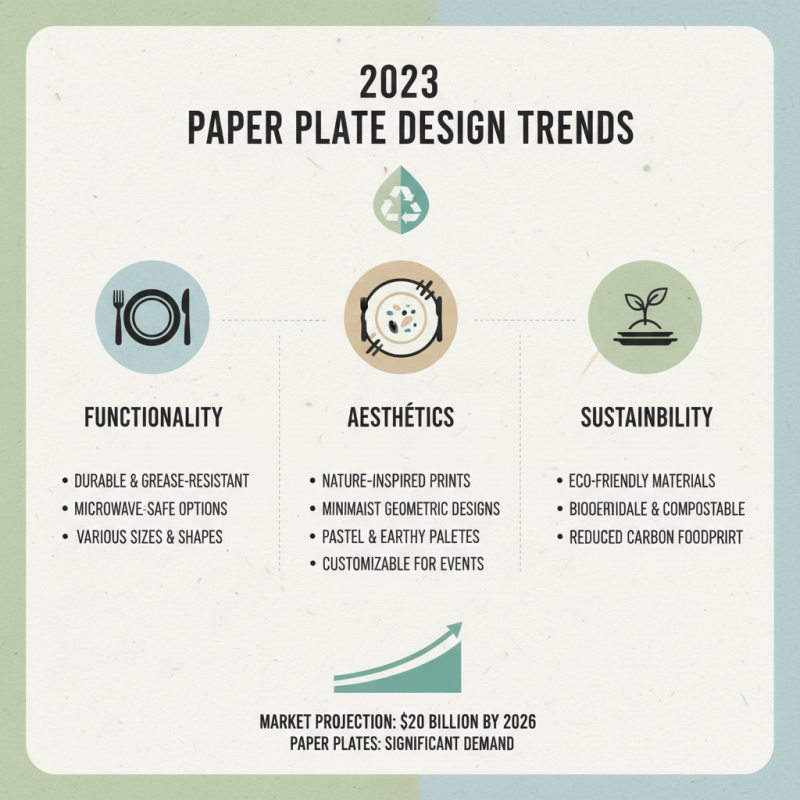
Design Trends: Popular Styles and Patterns for Paper Plates in 2023
In 2023, the design trends for paper plates have evolved to meet the diverse needs of consumers looking for both functionality and aesthetics. Reportedly, the market for disposable tableware is projected to reach $20 billion by 2026, with paper plates making up a significant portion of this demand. As sustainability continues to be a priority, many manufacturers are focusing on eco-friendly materials and biodegradable options, ensuring that these products are not only visually appealing but also environmentally responsible.
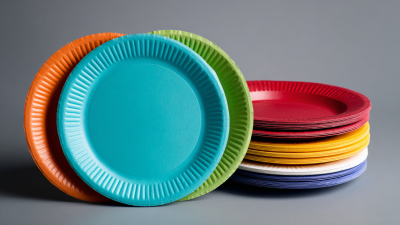
Current popular styles include vibrant colors and intricate patterns that cater to various occasions, from casual gatherings to formal events. Floral designs and geometric patterns are in high demand, adding a touch of sophistication while maintaining convenience. According to a recent industry analysis, over 40% of consumers prefer plates that feature unique designs compared to plain options. This preference highlights a growing trend where consumers are looking to elevate their dining experiences, even with disposable products. Eco-conscious designs, such as those that employ natural dyes and recyclable materials, are particularly appealing to the modern consumer, reflecting the broader movement towards sustainability in all aspects of life.