Best Plastic Container Options for Storing Food Safely?
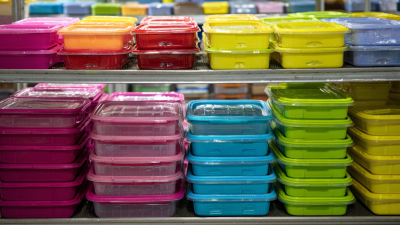
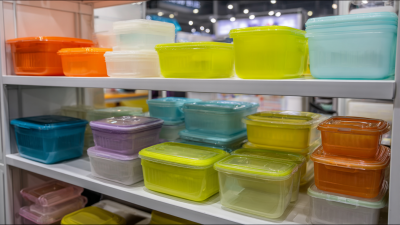
When it comes to food storage, choosing the right plastic container is vital. A report from the Food and Drug Administration (FDA) indicates that about 40% of food waste occurs at home, often due to improper storage. Selecting high-quality plastic containers can minimize waste and ensure food safety. Popular materials like BPA-free polypropylene are now widely endorsed due to safety concerns.
The market for plastic containers is expected to grow significantly. A recent study projects a compound annual growth rate of 5.5% in the next five years. Clear, airtight containers provide visual cues that help manage food freshness. However, not all options are equal. Some may leach harmful chemicals, especially when exposed to heat.
It's essential to acknowledge that many consumers are unaware of these risks. Striking a balance between convenience and safety is critical. Investing in durable, well-designed plastic containers can enhance food safety and reduce health risks. The decision to utilize plastic should be made with care and awareness.
Understanding Food Safety Standards for Plastic Containers
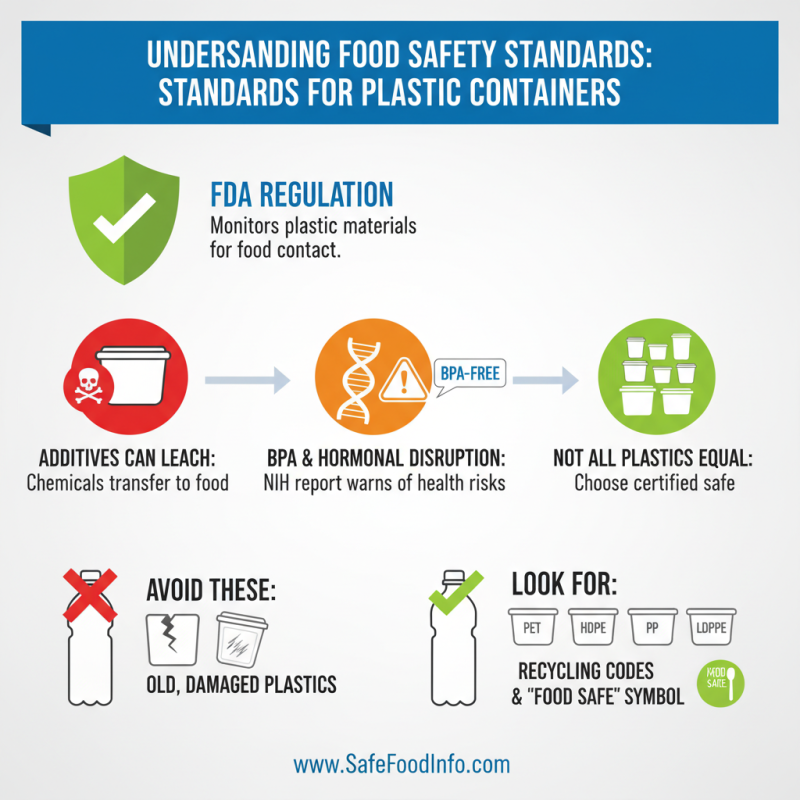
When choosing plastic containers for food storage, understanding safety standards is crucial. The FDA regulates plastic materials. Many plastics contain additives that can leach into food. A report from the National Institutes of Health notes that certain chemicals, like BPA, can disrupt hormonal systems. Not all plastics are created equal.
Various types of plastic are used for food storage. Polyethylene terephthalate (PET) is often deemed safe. However, polyvinyl chloride (PVC) can pose risks. Statistics show that approximately 30% of consumers are unaware of these differences. Awareness is key for safe food handling.
Proper storage is essential beyond just material choice. Containers should be used within their temperature limits. Heating plastic can increase chemical leaching. The USDA recommends using containers designed for reheating. A significant portion of consumers, around 40%, often microwaves food in non-microwave-safe containers, risking safety. Choosing high-quality containers is vital. Opt for options labeled safe for food use and follow guidelines to ensure safety.
Types of Plastic Materials Suitable for Food Storage
When it comes to food storage, choosing the right plastic material is crucial. Not all plastics are suitable for food contact. Some types can leach harmful chemicals into your food. Always look for containers made from safe materials.
Polypropylene (PP) is a popular choice. It’s durable and resistant to heat. This makes it great for storing leftovers. Another option is polyethylene (PE). It is flexible and also safe for food. Both materials are often used in kitchenware.
**Tips:** Always check for recycling codes on plastics. Codes 1, 2, 4, and 5 are generally safe for food storage. Avoid plastics with codes 3 or 7, as they may pose risks.
Polycarbonate can also house food but it’s a bit controversial. It may contain BPA, which can leach into food over time. If you're unsure about a container, it might be best to explore other options.
**Tips:** Use glass or stainless steel for long-term storage. They are free from harmful chemicals and last longer. Store dry goods in airtight containers to maintain freshness.
Best Plastic Container Options for Storing Food Safely
| Type of Plastic |
Safety Rating |
Heat Resistance |
Recyclability |
Best Uses |
| Polyethylene Terephthalate (PET) |
Safe |
Up to 120°C |
1 |
Fruits, Dry Foods |
| High-Density Polyethylene (HDPE) |
Safe |
Up to 120°C |
2 |
Milk, Juices, Non-Food Items |
| Polyvinyl Chloride (PVC) |
Caution |
Up to 60°C |
3 |
Food Wraps, Containers (Not Recommended) |
| Low-Density Polyethylene (LDPE) |
Safe |
Up to 80°C |
4 |
Bread, Dry Foods |
| Polypropylene (PP) |
Safe |
Up to 130°C |
5 |
Microwave Safe Containers, Yogurt |
Factors to Consider When Choosing Plastic Containers
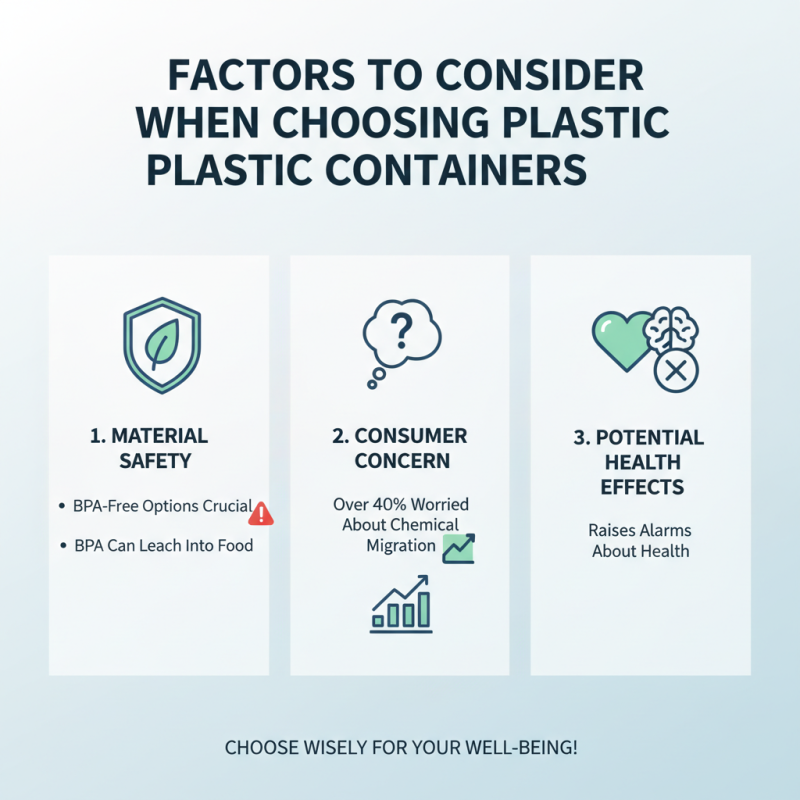
When choosing plastic containers for food storage, consider material safety. BPA-free options are crucial, as BPA can leach into food. Research shows that over 40% of consumers are concerned about chemical migration in plastics. This raises alarms about potential health effects.
Look for containers labeled as food-safe. Polypropylene and polyethylene are commonly recommended. These materials are durable and resistant to bacteria. However, not all plastics are created equal, and some may not withstand high temperatures. Check if the container is microwave and dishwasher safe.
Tips: Always avoid using scratched or damaged containers. They can harbor bacteria and toxins. Consider the size of your storage needs. Having various sizes can prevent food waste. Remember, not all plastic containers are meant for long-term storage. Reevaluate your options regularly to ensure food safety.
Best Practices for Storing Food in Plastic Containers
When storing food in plastic containers, safety is crucial. It's important to choose BPA-free materials. BPA, or bisphenol A, can leach into food. According to the FDA, BPA exposure may lead to health issues. Use clear containers for easy visibility. Choose sizes that fit your needs. Too much air in containers can cause spoilage.
Keep in mind that not all plastics are created equal. The numbers on the bottom can guide your choices. PETE (1), for example, is generally safe for food storage. However, avoid containers marked with PVC (3) as they can release harmful chemicals. Glass containers are safer, but they can break easily. Check for scratches or wear in plastic containers. These imperfections can harbor bacteria, leading to food safety concerns.
Storing food at the right temperature is essential. Foods stored in plastic should not be heated in the microwave unless specified safe. Heat can cause chemicals to migrate into food. The USDA suggests keeping leftovers in the fridge for no more than four days. Always label containers with dates for freshness. This simple practice helps prevent food waste and ensures safe consumption.
Best Plastic Container Options for Storing Food Safely
Cleaning and Maintaining Plastic Food Storage Containers
Cleaning and maintaining plastic food storage containers is crucial for food safety. Start by washing your containers with warm, soapy water after each use. Use a soft sponge to avoid scratching the plastic. Pay attention to the crevices, where food particles can hide. Rinse thoroughly to remove any soap residue. Air dry them completely before stacking or storing.
Stains and odors can be a challenge. When this happens, try using a mixture of baking soda and water. Let it sit inside the container for a few hours. This can help eliminate unwanted smells. For tougher stains, consider a diluted vinegar solution. However, be cautious; prolonged exposure can degrade some types of plastic. Regular checks for cracks or discoloration can prevent future issues, too.
Remember, even with good cleaning, plastic can wear down. Over time, look out for any signs of deterioration. It may be tempting to keep old containers, but safety should come first. Periodically replace your containers to maintain a safe kitchen environment. Each step in maintaining these containers contributes to healthier meal prep and storage.