Leave Your Message

Why Choose Bagasse Bowls for Sustainable Dining Solutions?

Sustainable dining is on the rise, and many are looking for eco-friendly options. Bagasse bowls have emerged as a popular choice. Renowned industry expert Dr. Emily Carr once stated, “Bagasse bowls represent a significant step towards reducing our carbon footprint.” This highlights their growing importance in the dining sector.

Made from sugarcane residue, bagasse bowls are biodegradable and compostable. They provide a practical solution for businesses seeking sustainability. However, some may question their durability compared to traditional materials. It is essential to communicate their strength and reliability in various dining contexts.

While the shift to bagasse bowls is promising, the industry still faces challenges. More awareness and acceptance are needed. Many consumers remain unfamiliar with them. As we embrace these alternatives, we must reflect on our consumption habits and their environmental impacts. Bagasse bowls invite us to rethink dining choices for a greener future.
Why Choose Bagasse Bowls for Sustainable Dining Solutions?

Benefits of Using Bagasse Bowls in the Food Service Industry

Why Choose Bagasse Bowls for Sustainable Dining Solutions?

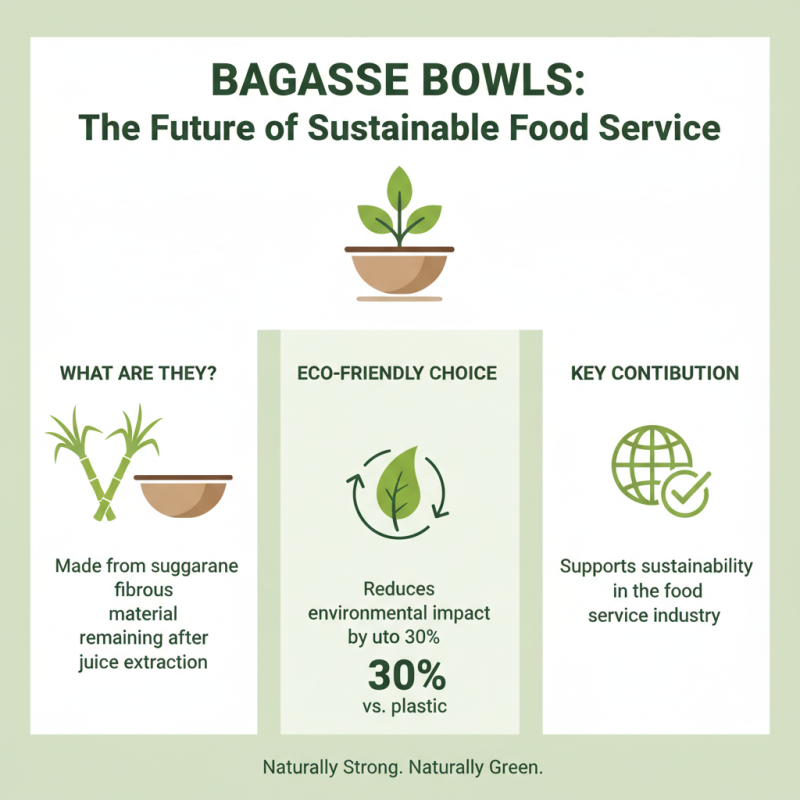
Bagasse bowls are emerging as a popular choice in the food service industry. They are made from the fibrous material left over after extracting juice from sugarcane. This makes them an eco-friendly option. According to a recent industry report, using bagasse can reduce environmental impact by up to 30% compared to traditional plastic options. This statistic underlines the vital contribution bagasse can make toward sustainability.

One notable advantage of bagasse bowls is their ability to decompose within 90 to 120 days under composting conditions. This contributes to decreasing landfill waste significantly. Additionally, bagasse bowls are sturdy and can handle both hot and cold foods. They have a high tolerance for heat, which is essential in the food service environment. However, some users may find them less visually appealing than plastic alternatives. This can create a dilemma for those focused on aesthetics.

Tips: Choose bowls that fit your menu items. Consider combining bagasse with other materials for added durability. It’s essential to assess the quality and sourcing of your bagasse products. Not all options are created equally, and this impacts their sustainability credentials. Explore suppliers who prioritize ethical sourcing to ensure the highest standards.
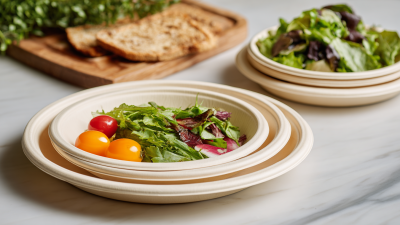
Environmental Impact of Bagasse Bowls vs. Traditional Plastic Alternatives

The environmental impact of bagasse bowls is significant compared to traditional plastic alternatives. Bagasse, made from sugarcane waste, is biodegradable and compostable. Unlike plastic, it doesn’t linger in landfills for centuries. When bagasse bowls break down, they enrich the soil instead of polluting it.

Plastic pollution poses a heavy burden on our ecosystems. Marine life often suffers from ingesting plastic debris. Alternatively, bagasse bowls break down within months, reducing waste and promoting a circular economy. It’s clearer now than ever that our material choices matter.

Yet, some may argue about the cost of production. Bagasse can be less accessible in certain regions. Still, the long-term benefits we gain make it worth the investment. We must recognize that every choice has a ripple effect. Transitioning to bagasse bowls invites us to rethink our consumption habits. Each small step can lead to a more sustainable future.

Cost-Effectiveness: Analyzing Bagasse Bowls in Bulk Purchasing

When considering sustainable dining solutions, bagasse bowls stand out. These bowls come from sugarcane pulp, making them biodegradable and eco-friendly. Their growing popularity in restaurants is largely due to their cost-effectiveness, especially when purchased in bulk. According to recent industry reports, bulk purchasing can reduce the cost per unit by up to 30%. This saving is vital for businesses looking to balance sustainability with operational expenses.

Moreover, using bagasse bowls presents an opportunity to appeal to eco-conscious consumers. A survey by the Sustainable Food Trust found that 72% of diners prefer establishments that use environmentally friendly materials. Investing in bagasse bowls aligns with this consumer preference while promoting a positive brand image. However, some proprietors hesitate. The upfront costs can be daunting, and the transition may require adjustments in logistics. Many businesses find this shift challenging yet necessary.

It's also essential to consider performance. Bagasse bowls are durable but may not match traditional plastics in all aspects. Some users report instances of leakage with very wet foods. This underscores the need for careful selection and testing within restaurants. Balancing sustainability with functionality is a challenge worth exploring.

Health and Safety Standards for Bagasse Bowl Production

Why Choose Bagasse Bowls for Sustainable Dining Solutions?

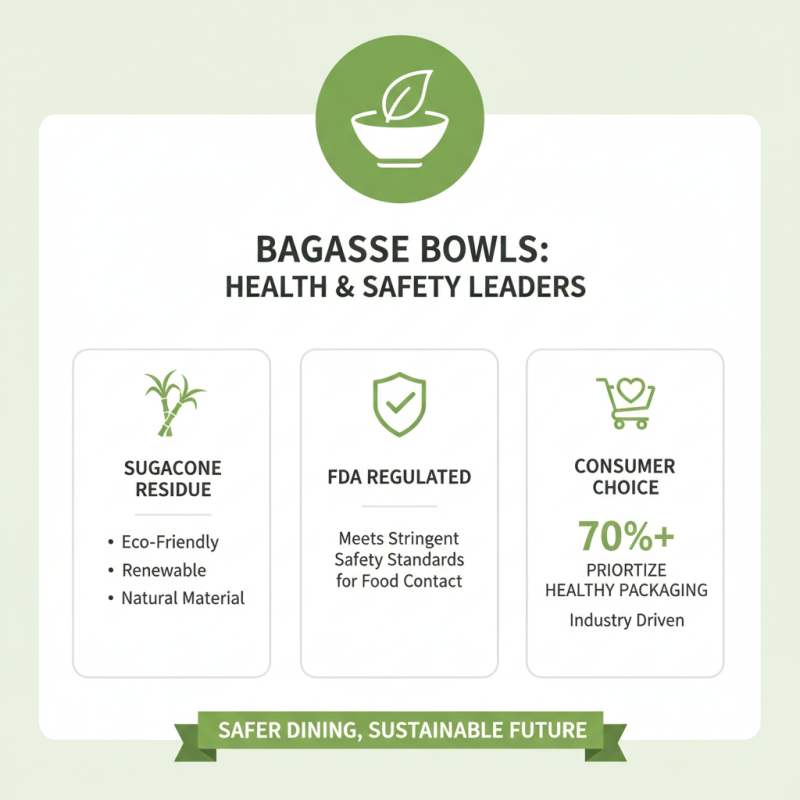
When it comes to health and safety, bagasse bowls stand out in the dining industry. Made from sugarcane residue, these bowls align with stringent production standards. The FDA regulates materials used in food service, ensuring safety. According to industry reports, over 70% of consumers prioritize health-conscious packaging. This preference drives manufacturers to adopt safer materials.

Bagasse bowls are also compostable, meeting environmental safety criteria. They break down within 90 to 120 days in commercial composting facilities. This is a significant improvement over traditional plastic tableware, which can take hundreds of years to decompose. Yet, there are challenges. Some manufacturers may not adhere strictly to safety guidelines, raising concerns about contamination.

Food safety standards require that all food service products are tested for toxic materials. Bagasse bowls pass these tests, but not all are created equal. Certification from recognized bodies is crucial. Consumers should seek transparent sourcing. Ultimately, while bagasse bowls are a step toward sustainable dining, vigilance is necessary to ensure consistent health and safety compliance.

Consumer Trends Toward Sustainable Dining Solutions in 2023

In 2023, consumers are showing a clear shift towards sustainable dining solutions. Many are now more aware of their environmental impact. The desire for eco-friendly options has surged. Dining experiences are changing rapidly. More people want to use products that do not harm the planet.

Bagasse bowls are an excellent choice for this trend. Made from sugarcane byproducts, they are compostable. These bowls help reduce plastic waste significantly. They decompose within months, unlike conventional plastic. However, some may overlook their benefits. Misunderstandings about compostability persist. Not everyone knows how to dispose of them correctly. This gap in knowledge requires attention.

Sustainable dining should not just be a trend; it needs to become a habit. People may get excited about new eco-friendly products but lose interest over time. It’s crucial to maintain the momentum. Engaging with the community about these solutions could help. Conversations around sustainability can spark interest. Each small change counts. Everyone has a role to play in this journey.

Why Choose Bagasse Bowls for Sustainable Dining Solutions?

Dimension Data Point
Percentage of Consumers Preferring Sustainable Products 65%
Increase in Demand for Biodegradable Tableware (2022-2023) 30%
Consumers Willing to Pay More for Eco-Friendly Options 45%
Hospitality Industry Adopting Sustainable Practices 50%
Awareness of Environmental Impact Among Diners 70%
Projected Growth of Sustainable Dining Market (2023-2028) 15% CAGR