Why Choose Bagasse Trays for Sustainable Packaging Solutions?
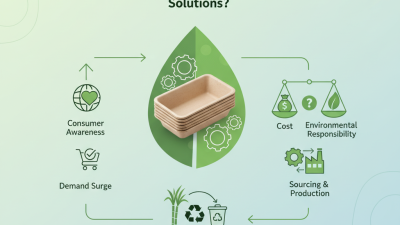
In recent years, the demand for sustainable packaging solutions has surged. This is driven by rising consumer awareness about environmental issues. Bagasse trays have emerged as a viable alternative to traditional plastic and Styrofoam packaging. According to a report by Smithers Pira, the sustainable packaging market is expected to grow to $500 billion by 2025. This growth indicates a strong shift towards eco-friendly materials like bagasse.
Experts emphasize the benefits of bagasse trays. John Wright, a packaging industry specialist, stated, "Bagasse trays not only reduce waste but also support sustainable farming." Bagasse, derived from sugarcane, is biodegradable and compostable. It offers remarkable strength and durability, comparable to conventional materials. With the global push for reducing plastic usage, bagasse products are gaining traction in multiple sectors.
The transition to bagasse trays could face challenges, such as cost considerations and supply chain complexity. However, their environmental benefits are hard to ignore. As more companies evaluate their packaging strategies, embracing bagasse trays could be a transformative step. The industry must reflect on its commitment to innovation while addressing these critical challenges.
The Environmental Impact of Conventional Packaging Materials
The environmental impact of conventional packaging materials is substantial. Plastics dominate the market, polluting oceans and harming wildlife. They take hundreds of years to decompose, creating a toxic legacy. This widespread usage leads to landfills overflowing and ecosystems at risk. Many companies overlook the importance of sustainable alternatives, contributing to ongoing environmental degradation.
Bagasse trays offer a compelling solution. Made from sugarcane waste, they biodegrade quickly, leaving no harmful residue. Unlike plastic, bagasse is renewable and compostable, significantly lowering the carbon footprint. Choosing these trays can enhance a brand’s eco-friendly reputation.
**Tips**: Always consider the entire lifecycle of packaging materials. Engage suppliers who prioritize sustainability. Inform customers about the benefits of using eco-friendly options; they appreciate transparency and responsibility. By making informed choices, businesses can be part of the solution.
Why Choose Bagasse Trays for Sustainable Packaging Solutions? - The Environmental Impact of Conventional Packaging Materials
| Material Type |
Source |
Biodegradability |
Recyclability |
Carbon Footprint (per kg) |
Water Usage (liters/kg) |
| Bagasse |
Sugarcane waste |
Yes, within 90 days |
Yes |
0.5 kg CO2 |
200 L |
| Plastic |
Petroleum |
No, up to 1000 years |
Yes, but limited |
6 kg CO2 |
50 L |
| Wooden |
Trees |
Yes, varies by type |
Yes |
2 kg CO2 |
600 L |
| Styrofoam |
Petroleum |
No, up to 500 years |
No |
4 kg CO2 |
30 L |
Overview of Bagasse and Its Properties for Packaging
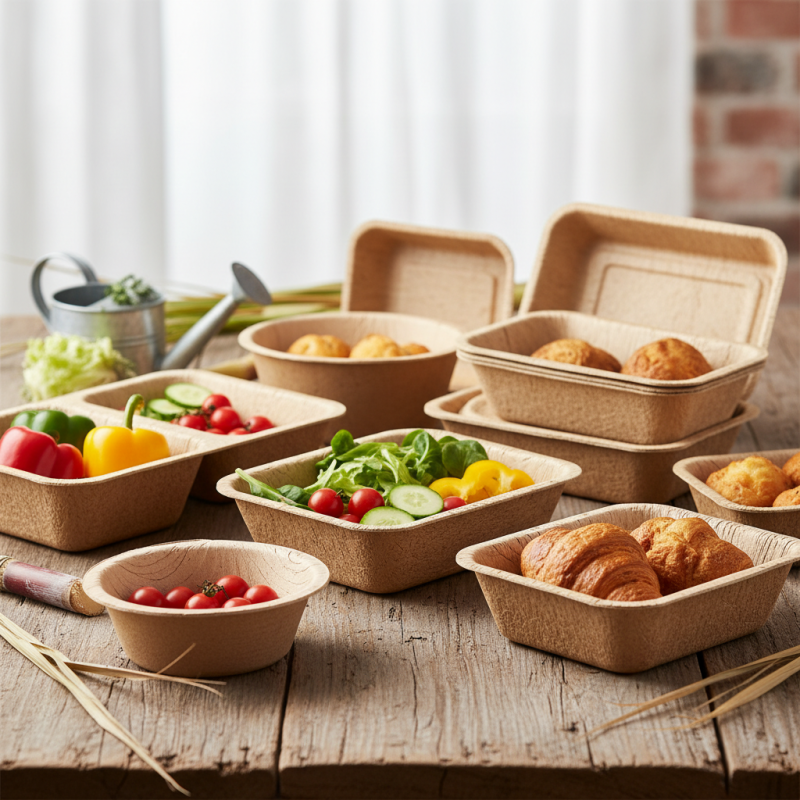
Bagasse is the byproduct of sugarcane processing. This fibrous material is an eco-friendly alternative for packaging. Its properties make it ideal for creating trays that are both functional and sustainable. Bagasse trays are biodegradable, breaking down naturally over time. This reduces landfill waste and promotes a healthier planet.
The strength of bagasse is noteworthy. It can support various food items without compromising integrity. This makes it suitable for both hot and cold foods. Additionally, it is resistant to grease and water, enhancing its usability in diverse applications. However, not all bagasse products are created equal. Some may not perform as well under high temperatures. This lack of uniformity presents challenges in choosing the right product for specific needs.
Moreover, the production process of bagasse trays is generally low-impact. It requires minimal energy compared to traditional plastic manufacturing. Yet, quality control remains essential. Variations in sourcing and processing can lead to inconsistent results. Therefore, careful consideration is necessary when selecting bagasse packaging solutions. It’s a promising choice, but understanding its limitations is crucial for effective use.
Market Trends in Sustainable Packaging Practices
The shift towards sustainable packaging has gained momentum. Consumers now prioritize eco-friendly solutions. Various materials are trending in the market, with bagasse emerging as a popular choice. Made from sugarcane byproducts, these trays are biodegradable and compostable. They decompose naturally, reducing landfill waste. Their production involves lower energy costs compared to traditional plastic. This aligns with current market demands for greener alternatives.
Recent studies indicate a rise in demand for sustainable options. Businesses are responding by adopting materials that meet environmental standards. Bagasse trays stand out due to their strength and versatility. They can hold hot and cold items without compromising quality. However, the market still faces challenges. Not every product is suited for bagasse packaging. Finding the right balance between sustainability and functionality is key. Companies must consider their specific needs and consumer expectations.
As awareness grows, so does the need for education on sustainable practices. Many companies still grapple with misconceptions regarding eco-friendly materials. Misunderstanding the capabilities of bagasse can lead to missed opportunities. Industry experts recommend thorough research before making packaging decisions. This ensures businesses choose solutions that not only benefit the environment but also satisfy consumer demands.
Cost-Effectiveness of Bagasse Trays Compared to Alternatives
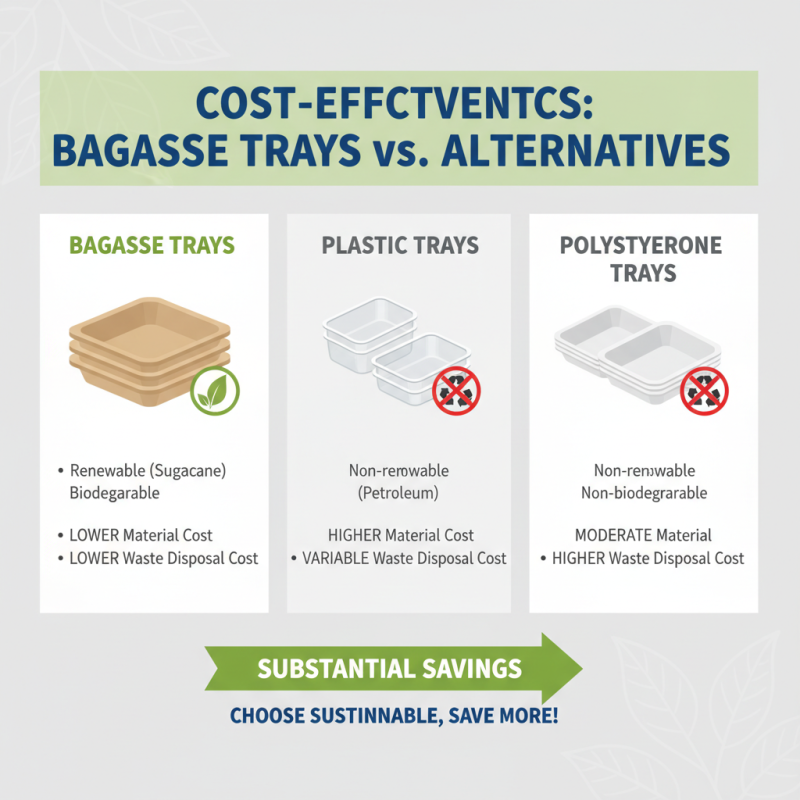
Bagasse trays are becoming increasingly popular in sustainable packaging solutions. Their cost-effectiveness is a significant advantage over conventional materials like plastic and polystyrene. Bagasse, made from sugarcane pulp, is not only renewable but also biodegradable. Choosing this option can lead to substantial savings in both materials and waste disposal costs.
When comparing bagasse trays to traditional packaging, the financial benefits are evident. Production costs for bagasse are often lower due to the abundant supply of sugarcane. While the initial investment might seem higher, the long-term reduction in waste management expenses can offset this. Businesses may also attract eco-conscious consumers, enhancing brand loyalty and market reach.
However, challenges remain. Some manufacturers may struggle to maintain consistent quality in bagasse trays. Variability in raw material quality can affect performance. It’s essential for companies to source bagasse from reliable suppliers. Conducting regular quality checks can mitigate potential issues. Embracing bagasse requires a commitment to refining processes and adapting to changes in material characteristics.
Case Studies: Successful Adoption of Bagasse in Various Industries
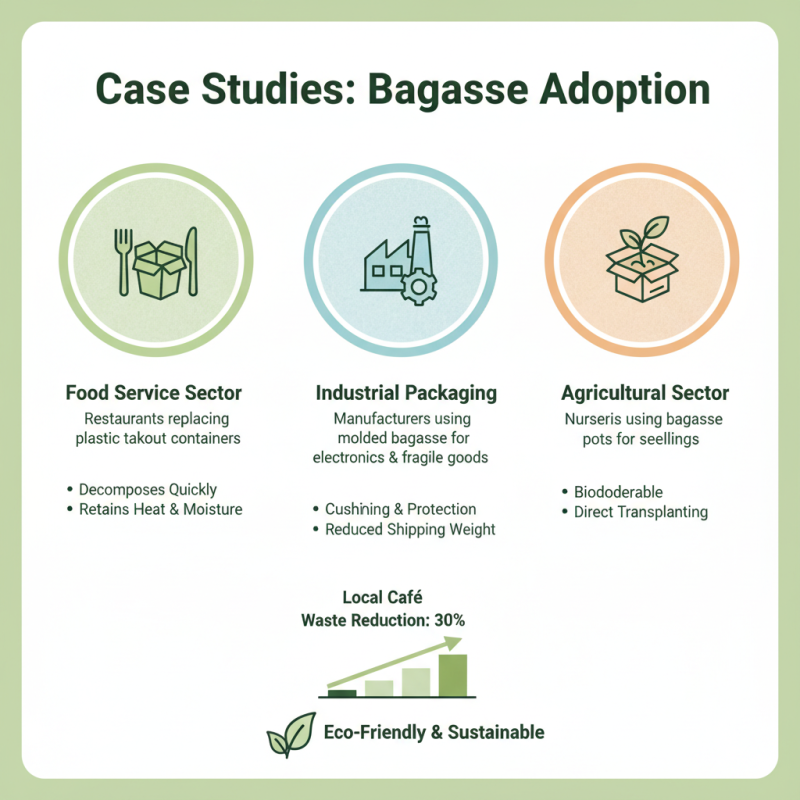
Bagasse trays have gained traction across various industries for their eco-friendly properties. In the food service sector, restaurants are shifting from plastic to bagasse for takeout containers. These trays not only decompose quickly but also retain heat and moisture well. A local café reported that switching to bagasse trays reduced their waste by 30%. This change aligned with customer demand for sustainable practices.
In the cosmetics industry, companies are exploring bagasse packaging for their products. One beauty brand launched a line of skincare items packaged in bagasse trays. Consumers appreciated the biodegradable packaging. However, some noted that the texture felt less luxurious compared to traditional materials. This feedback highlights the ongoing need to balance sustainability with consumer expectations.
The success of bagasse products is not without challenges. Supply chains can struggle to meet demand for bagasse material. Companies must ensure consistent quality. While many industries are adopting this solution, improvements in the manufacturing process could enhance durability and aesthetic appeal. Ultimately, the journey towards sustainability in packaging is ongoing, requiring both innovation and reflection.