How to Choose the Best Disposable Containers for Your Food Storage Needs
When it comes to food storage, the importance of choosing the right disposable containers cannot be overstated. These versatile solutions are essential for both convenience and organization, making them an ideal choice for busy kitchens, meal prepping, and events. With a plethora of options available on the market, selecting the best disposable containers for your specific needs can often feel overwhelming. It's crucial to consider various factors such as material, size, and intended use to ensure your food remains fresh and safe.
Understanding the different types of disposable containers can help you make an informed decision. Whether you need containers for takeout, picnics, or everyday meal storage, there are options designed to cater to every requirement. The right disposable containers can protect food from contamination, enhance presentation, and simplify cleanup, making them a practical solution for any food storage challenge. By following certain guidelines, you will be better equipped to choose disposable containers that align perfectly with your food storage needs, ensuring both functionality and sustainability.

Factors to Consider When Choosing Disposable Containers
When selecting disposable containers for food storage, several factors should be taken into account to ensure they meet your needs while maintaining food safety and convenience. One critical element is the material of the container. Common options include plastic, paper, and aluminum, each offering unique benefits. According to industry reports, over 60% of consumers prefer plastic containers for their durability and versatility in various food types, including hot and cold items. However, it is essential to check if the containers are BPA-free and suitable for microwave use to avoid potential health hazards.
Another vital consideration is the size and capacity of the containers. Depending on your food storage requirements, you might need different sizes for portion control or meal prepping. Research indicates that nearly 40% of households have opted for bulk meal prepping, making larger containers increasingly popular. It's advisable to select a range of sizes to accommodate different food items and storage needs effectively.
Tips: Always ensure that the disposable containers you choose have airtight seals to preserve freshness and prevent leaks. Look for eco-friendly options when possible, as sustainability is becoming a significant concern for consumers, with reports showing that 70% of people prefer brands that prioritize environmentally responsible practices. Additionally, consider the overall cost-effectiveness by comparing bulk purchase options to minimize waste and save money in the long run.
Types of Disposable Containers Available for Food Storage
When it comes to food storage, choosing the right disposable containers is essential for maintaining freshness and safety. There are several types of disposable containers available on the market, each designed to cater to specific storage needs. Among them, plastic containers are a popular choice due to their lightweight and versatile nature. According to a 2023 report by the Institute of Food Technologists, approximately 70% of consumers prefer plastic for its convenient sealing options and ability to withstand various temperature ranges.
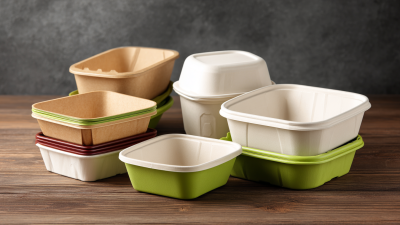
Another common type is disposable aluminum containers, which are ideal for baking and storing hot foods. Their excellent heat conductivity allows for even cooking and reheating, while their durability makes them suitable for various food types. Additionally, biodegradable options have gained traction in recent years, responding to the increasing demand for environmentally friendly alternatives. The global market for biodegradable food containers is expected to grow by 9% annually, as more consumers prioritize sustainable products.
Tips: When selecting disposable containers, consider the size and shape that best fits your storage needs. Look for containers with strong sealing mechanisms to prevent leaks and preserve freshness. Finally, do not overlook design elements; choosing clear containers can help in easily identifying food contents, making organization simpler and more efficient.
How to Choose the Best Disposable Containers for Your Food Storage Needs
| Container Type |
Material |
Best Use Cases |
Microwave Safe |
Recyclable |
| Plastic Containers |
Polypropylene (PP) |
Leftovers, Meal Prepping |
Yes |
Yes |
| Foil Containers |
Aluminum |
Baking, Catering |
Yes |
Yes |
| Biodegradable Containers |
Sugarcane, PLA |
Takeout, Picnics |
No |
Yes |
| Paper Containers |
Paperboard |
Soups, Salads |
No |
Yes |
| Glass Containers |
Borosilicate Glass |
Meal Prepping, Baking |
Yes |
Yes |
Material Options for Disposable Food Containers: Pros and Cons
When it comes to choosing disposable food containers, there are several material options available, each with its own set of advantages and disadvantages. Among the most commonly used materials are plastic, paper, and foam. Plastic containers are lightweight and durable, often designed to hold both hot and cold foods. They are typically leak-resistant and can be microwaved, making them convenient for various applications. However, concerns about their environmental impact and health risks associated with certain plastics might deter some consumers.
Paper containers offer an eco-friendlier alternative, as they are biodegradable and sourced from renewable resources. They are suitable for a variety of foods, especially dry or warm items, and can be easily customized for branding purposes. On the downside, paper containers may not hold up well with liquids or greasy foods, and their durability can be compromised when exposed to moisture. Foam containers, while excellent for insulation and keeping foods hot, are often criticized for their environmental footprint, as they are not recyclable in many areas. Understanding the pros and cons of each material will help individuals and businesses make informed decisions when selecting the best disposable containers to suit their food storage needs.
Cost-Effectiveness of Disposable Containers for Food Storage
When considering food storage, cost-effectiveness plays a crucial role in choosing the best disposable containers. These containers often provide a budget-friendly option without compromising on quality. Disposable containers eliminate the need for expensive, reusable alternatives that require considerable time and resources for cleaning and maintenance. Additionally, they can be bought in bulk, which further reduces the overall cost per unit, making them an attractive option for both households and businesses.
Tips for maximizing the cost-effectiveness of disposable containers include evaluating your storage needs before purchasing. Determine how many containers you typically use and the types of food items you store, which allows you to buy in quantities that suit your needs without excess. Opt for multi-purpose containers that can accommodate various food types, reducing the necessity for multiple purchases. Finally, consider investing in eco-friendly options, which may be slightly more expensive but contribute to sustainability while still providing cost-effective solutions in the long run. By mindful purchasing and using disposable containers efficiently, you can enhance your food storage strategy while keeping expenses in check.
Environmental Impact of Using Disposable Food Containers
The environmental impact of using disposable food containers is a critical consideration in today’s world, where sustainability is increasingly prioritized. According to a report by the Ellen MacArthur Foundation, globally, approximately 300 million tons of plastic are produced each year, with a significant portion being single-use plastics, including food containers. These materials contribute heavily to landfill waste, as well as marine pollution, where it’s estimated that around 8 million tons of plastic enter oceans each year, affecting wildlife and ecosystems.
As awareness of this crisis grows, consumers and businesses alike are seeking alternatives that are more sustainable. Research published by the World Economic Forum indicates that shifting towards compostable and biodegradable materials can drastically reduce environmental footprints. For instance, compostable containers break down more efficiently, often within a few months, compared to traditional plastics which can take hundreds of years to decompose. By selecting disposable containers made from renewable resources, consumers can mitigate their impact on the planet while still enjoying the convenience of food storage options that meet their needs.
Environmental Impact of Disposable Food Containers