How to Choose the Right Box for Food Packaging in 2025
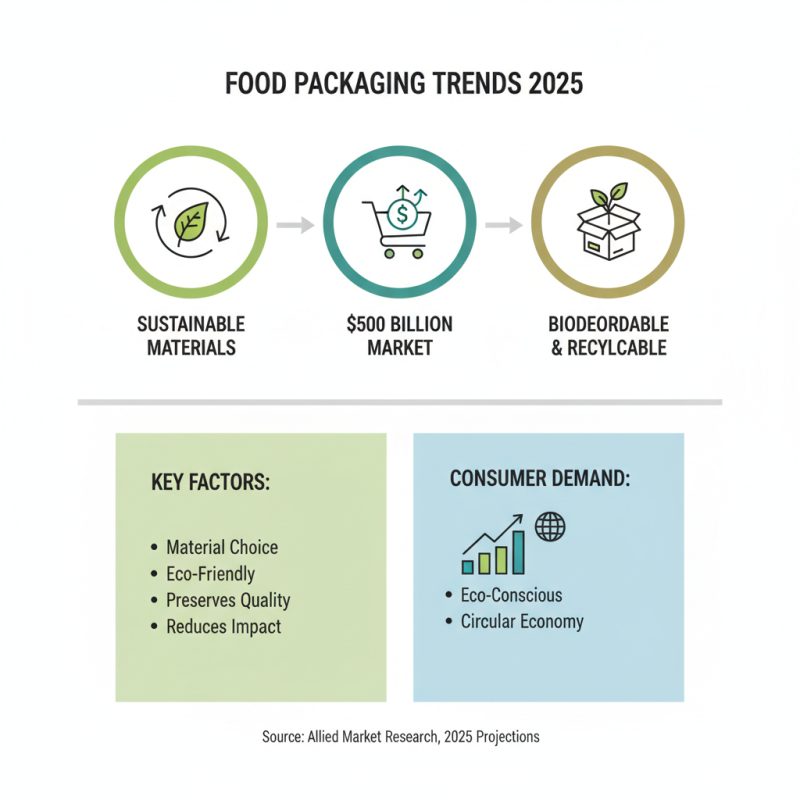
In the rapidly evolving landscape of food packaging, choosing the right box for food packaging in 2025 is of paramount importance. According to a recent report by the Food Packaging Institute, the global food packaging market is expected to reach $500 billion by 2025, driven by increasing consumer demand for sustainable and convenient solutions. With eco-consciousness on the rise, nearly 75% of consumers now prefer packaging made from recyclable or biodegradable materials, highlighting the necessity for manufacturers to align their choices with consumer preferences.
As we move into 2025, the trend toward smart packaging solutions will also significantly influence how businesses select boxes for food packaging. The Smart Packaging Association indicates that incorporating technology, such as QR codes and NFC tags, not only enhances product information and traceability but also engages consumers in new and interactive ways. Thus, companies must carefully consider not just the aesthetic and functional aspects of their packaging, but also how it resonates with the increasing demand for transparency and sustainability in the food industry.
In conclusion, selecting the appropriate box for food packaging in 2025 requires a thorough understanding of current market trends and consumer expectations. By focusing on sustainability and smart innovations, food manufacturers can create packaging solutions that better meet the needs of their customers while supporting their brand values and goals.
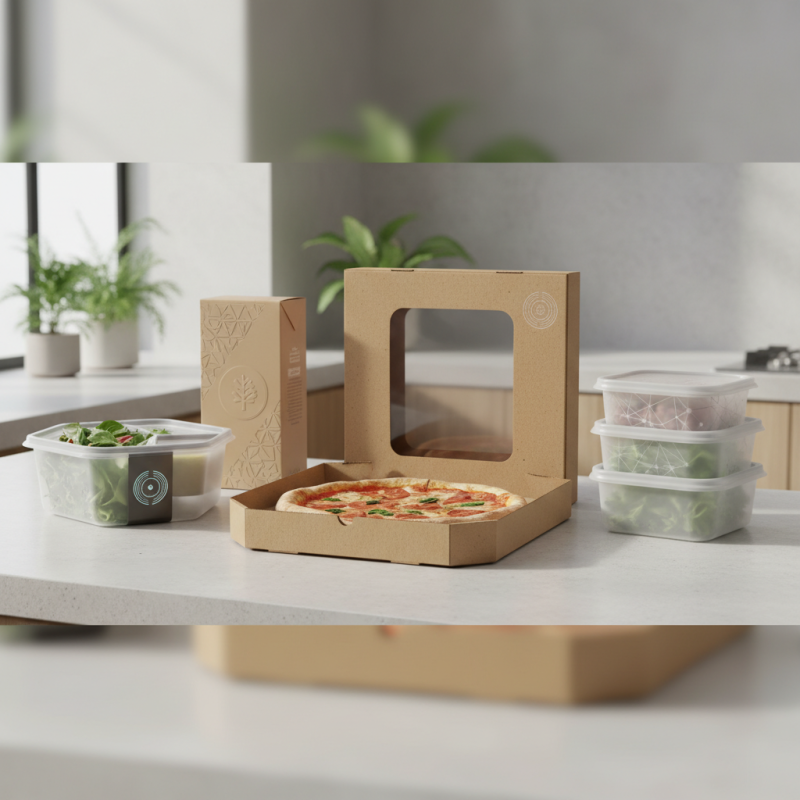
Factors to Consider When Selecting Food Packaging Boxes
When selecting food packaging boxes in 2025, several key factors must be considered to ensure that the packaging aligns with both industry standards and consumer expectations. One major consideration is the material of the box. The global food packaging market is projected to reach $500 billion by 2025, with a growing demand for sustainable and eco-friendly materials. According to a report by Allied Market Research, biodegradable and recyclable packaging solutions are becoming increasingly popular, highlighting the need for manufacturers to adapt their choices to include materials that not only preserve food quality but also reduce environmental impact.
Another essential factor is functionality and design. The packaging must not only protect the food but also be user-friendly and visually appealing to attract consumers. Research from Smithers Pira indicates that convenience packaging, which focuses on ease of opening and resealing, will account for a significant portion of the market growth in the coming years. Additionally, the importance of size and shape cannot be overlooked, as proper dimensions can optimize transportation efficiency and minimize waste, ultimately reducing costs. By addressing these factors, businesses can position themselves competitively in a rapidly evolving food packaging landscape.
Types of Materials for Food Packaging in 2025
When choosing the right materials for food packaging in 2025, several innovative options are emerging that prioritize sustainability and safety. One prominent category is bioplastics, which are derived from renewable resources such as corn starch or sugarcane. These materials not only provide a practical alternative to traditional petroleum-based plastics but are also designed to be biodegradable or compostable, thus minimizing environmental impact. Bioplastics can effectively reduce waste while maintaining the necessary barrier properties to preserve food quality.
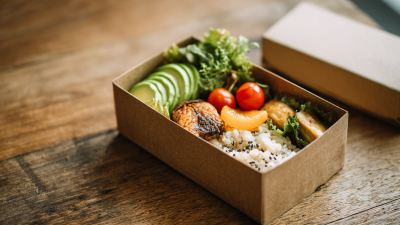
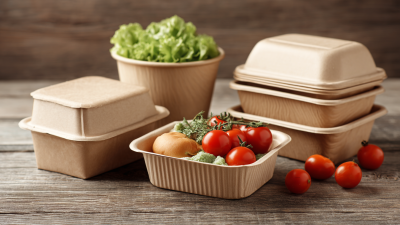
Another noteworthy advancement in food packaging materials is the use of paper and cardboard, both of which are highly recyclable and biodegradable. This trend is driven by consumer demand for eco-friendly solutions. Additionally, advancements in coating technologies have allowed for these materials to repel moisture and grease, enhancing their utility in food packaging. Furthermore, the development of smart packaging materials integrated with sensors can monitor freshness and spoilage. These technologies are becoming increasingly relevant, as they provide consumers and manufacturers with real-time information about food safety, ultimately leading to minimized waste and improved health standards.
Sustainability Trends in Food Packaging Choices
As we move into 2025, sustainability is becoming an essential criterion in food packaging choices. According to a recent study by the Paper and Packaging Board, nearly 70% of consumers are willing to pay more for sustainable packaging options. This shift in consumer behavior is influencing manufacturers to adopt eco-friendly materials that not only minimize environmental impact but also meet regulatory standards. Biodegradable plastics, recycled materials, and compostable packaging are gaining traction as viable alternatives to traditional packaging solutions.
Tip: When selecting packaging for food products, consider materials that are certified by recognized sustainability standards. Certifications such as FSC (Forest Stewardship Council) for paper products or Biodegradable Products Institute (BPI) for compostables can enhance product credibility in eco-conscious markets.
Moreover, companies are increasingly implementing smarter designs that reduce material usage while maintaining product integrity. The Ellen MacArthur Foundation reported that transitioning to circular packaging systems could lead to a $1 trillion economic opportunity by 2030. By innovating packaging design to allow for easy recycling and reuse, businesses can not only contribute to environmental sustainability but also potentially lower costs in the long run.
Tip: Engage with your supply chain to develop a closed-loop system that promotes recycling and reusing materials. This collaborative effort can help reduce waste and improve the overall sustainability of your packaging strategy.
How to Choose the Right Box for Food Packaging in 2025 - Sustainability Trends in Food Packaging Choices
| Packaging Type |
Material |
Recyclability |
Biodegradable |
Sustainability Score (1-10) |
| Cardboard Box |
Recycled Paper |
Yes |
Yes |
9 |
| Plastic Container |
PET |
Yes |
No |
6 |
| Glass Jar |
Glass |
Yes |
Yes |
10 |
| Aluminum Can |
Aluminum |
Yes |
No |
8 |
| Compostable Bag |
PLA |
No |
Yes |
7 |
Regulatory Compliance for Food Packaging Solutions
When selecting food packaging solutions in 2025, regulatory compliance is a crucial factor that cannot be overlooked. Governments and health organizations worldwide are amplifying their focus on food safety, presenting a complex landscape of regulations that packaging must adhere to. This includes materials that are safe for food contact, labeling requirements that ensure transparency for consumers, and adherence to environmental standards that promote sustainability. Staying informed about these evolving regulations is essential for manufacturers to avoid penalties and ensure that their packaging designs meet legal requirements.
To navigate the intricacies of compliance, businesses should prioritize collaboration with legal and food safety experts. This partnership will help in understanding local, national, and international regulations pertinent to food packaging. An effective compliance strategy involves regular audits of materials and processes to ensure adherence to safety standards. Moreover, businesses should also engage in proactive communication with regulatory bodies, which can aid in staying ahead of potential changes in legislation. By embedding compliance into the design and production phases of food packaging, companies can secure not only the safety of their products but also the trust of their consumers.
Food Packaging Material Compliance in 2025
Design and Branding Considerations for Food Boxes
When it comes to food packaging, design and branding play crucial roles in attracting consumers and conveying a product’s values. A food box must be visually appealing, functional, and representative of the brand identity. Elements such as color, typography, and imagery should align with the overall branding strategy. Consider the emotions you want the packaging to evoke; using warm colors can suggest comfort and homemade quality, while sleek, modern designs might convey innovation and health consciousness.
Tips: When designing your food box, always keep the target audience in mind. Research their preferences and develop designs that resonate with them emotionally. Additionally, ensure your branding is consistent across all packaging materials to build recognition and trust.
Another important aspect to consider is the sustainability of the packaging. With increasing consumer awareness about environmental impact, using eco-friendly materials can enhance your brand's image. Incorporate clear messaging about the sustainability efforts on the packaging itself, which not only informs consumers but also strengthens the brand’s commitment to responsible practices.
Tips: Look for innovative materials that are both sustainable and effective in preserving food quality. Choose designs that minimize waste while maximizing shelf appeal, ensuring that your product stands out in a crowded market.