How to Choose the Best Bagasse Containers for Your Business?
As businesses increasingly prioritize sustainability, Bagasse Containers have emerged as a popular choice. Made from sugarcane pulp, these containers are biodegradable and compostable. According to a recent market report, the global disposable food service packaging market is expected to grow at a CAGR of 4.5%, driven by the rise of eco-friendly products.
Choosing the right Bagasse Containers can significantly impact your business's environmental footprint. They are sturdy and versatile, suitable for hot and cold foods alike. However, not all containers are created equal. It’s crucial to consider the sourcing and manufacturing practices. Some cheap alternatives may compromise on quality or fail to meet safety standards.
In a competitive market, customers are demanding transparency and sustainability. According to a survey by Nielsen, 66% of consumers are willing to pay more for sustainable brands. Businesses should reflect on their packaging choices and align them with their values. Evaluating Bagasse Containers based on quality, cost, and sustainability will enhance customer loyalty and brand reputation.
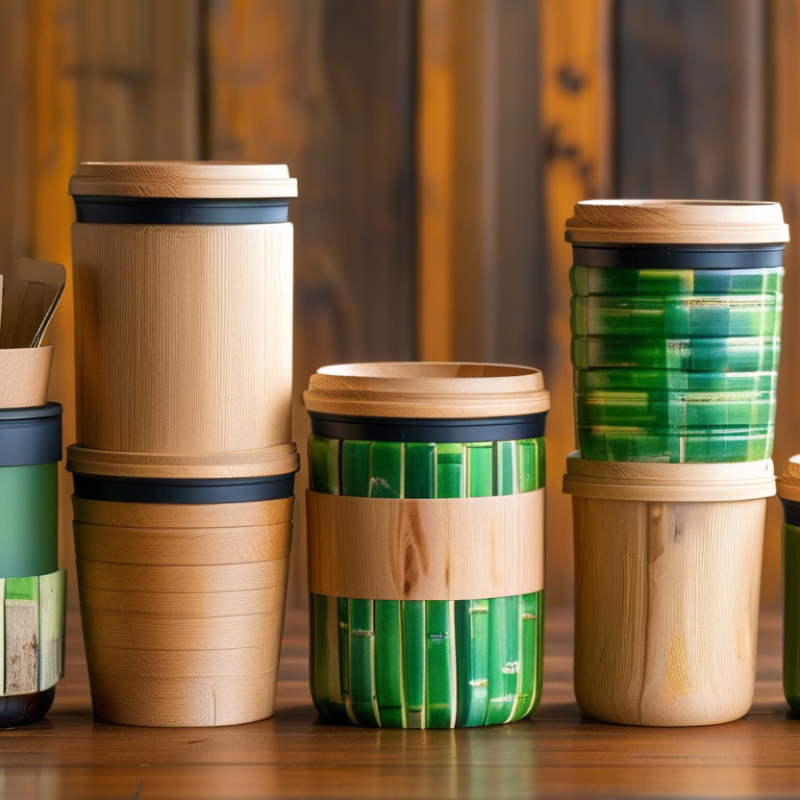
Understanding Bagasse Containers and Their Benefits
Bagasse containers, made from sugarcane byproducts, are gaining traction in the packaging industry. Their eco-friendly nature aligns with increasing consumer demand for sustainable products. Recent research indicates that the global bioplastics market, which includes materials like bagasse, is expected to reach $41.8 billion by 2026. This growth reflects a shift toward renewable resources.
One of the significant benefits of bagasse is its biodegradability. Unlike traditional plastics, which can take hundreds of years to decompose, bagasse containers break down in about 90 days under the right conditions. This property helps businesses reduce their carbon footprint. Additionally, they can withstand high temperatures, making them suitable for hot food items. However, not all bagasse products perform equally. Some may lack durability in certain applications, leading to issues with leaks or structural integrity.
Understanding the nuances of bagasse container production is crucial. Even though they offer several advantages, quality can vary widely. Some manufacturers emphasize aesthetics over functionality, which can undermine their use in catering and food service. Therefore, it's essential for businesses to evaluate suppliers carefully to ensure the containers meet specific needs. This approach will maximize benefits while minimizing potential drawbacks associated with inferior products.
Evaluating Different Types of Bagasse Containers
Evaluating different types of bagasse containers can significantly impact your business's sustainability efforts.
Bagasse, a byproduct of sugarcane processing, offers a variety of container options.
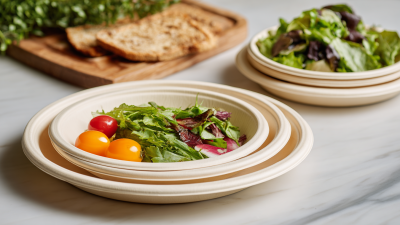
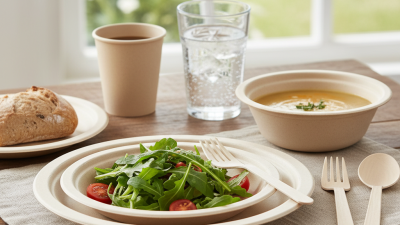
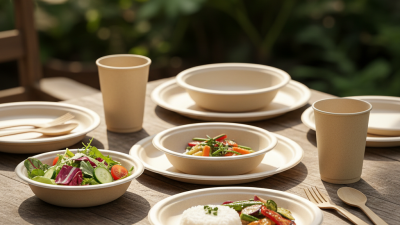
These options include plates, bowls, and clamshells, which are biodegradable and often compostable.
A report from the Global Biodegradable Containers Market estimates a growth rate of 8.1% between 2021 and 2028, indicating a rising demand for eco-friendly packaging solutions.
When selecting bagasse containers, consider their strength and insulation properties. Research shows that bagasse products can hold hot and cold foods effectively.
This versatility is critical for catering businesses. According to industry analysis, about 75% of consumers are willing to pay more for sustainable packaging.
Therefore, choosing the right bagasse container can enhance your brand’s image while appealing to eco-conscious customers.
However, not all bagasse containers are created equal. You might encounter variability in compostability; not every product will break down in similar conditions.
It's crucial to test the containers in your specific operational environment. Additionally, price disparities exist in the market, and higher costs don't always guarantee better quality.
Balancing cost against performance remains a challenge, requiring careful reflection.
Factors to Consider When Choosing Bagasse Containers
When choosing bagasse containers for your business, consider several factors. Bagasse, a byproduct of sugarcane, is increasingly popular given its eco-friendliness. According to a report by Smithers Pira, the global market for sustainable packaging is projected to reach $650 billion by 2027. This trend highlights the value of making thoughtful choices in packaging materials.
One critical factor is the container's size and shape. Businesses must assess their specific needs, including portion sizes and storage capabilities. For instance, larger containers may suit bulk items, while smaller options work better for individual servings. Additionally, check the container's compatibility with different food types. Knowing what types of food your containers will hold is essential.
Tips: Always test durability. Run a leak test or do temperature checks to ensure reliability. Consider composting options since customers appreciate sustainable choices. While bagasse is robust, some designs might not hold under heavy liquids. Validate your suppliers’ claims to ensure the material meets your standards. Balancing these aspects can elevate your product's appeal and performance.
Factors to Consider When Choosing Bagasse Containers
Assessing Supplier Reliability and Quality Standards
When selecting bagasse containers, evaluating supplier reliability is vital. A reliable supplier ensures consistent quality and timely delivery. Research potential suppliers thoroughly. Look for those with a solid reputation in the industry. Customer reviews can provide insight into their service and product reliability. You want a partner who meets your business needs consistently, not just a one-time vendor.
Quality standards must also be central to your decision. High-quality bagasse containers should be sturdy and eco-friendly. Check if the supplier complies with relevant health and safety standards. Ask for certifications that demonstrate their commitment to quality. Remember, an unverified supplier might compromise your brand reputation. It's worth the time to dig deeper into each supplier’s production methods and sourcing ethics.
Finding the right fit can feel overwhelming. Many suppliers claim high quality, but not all deliver. Conducting audits or requesting samples can reveal the truth. Your goal is to create a reliable supply chain. Guard against taking shortcuts. Think critically about each supplier's claims and how they align with your values and requirements.
Cost-Effectiveness and Sustainability in Bagasse Container Selection
When selecting bagasse containers for your business, cost-effectiveness and sustainability are crucial. A report from Smithers notes that the global market for sustainable packaging is projected to reach $500 billion by 2028. This shift highlights the growing consumer preference for eco-friendly products. Bagasse, a byproduct of sugarcane, is not only biodegradable but also compostable. Choosing bagasse containers can significantly reduce landfill waste.
Cost is often a concern. However, studies show that using bagasse containers can yield long-term savings. Their production costs are comparable to traditional plastic containers, especially when factoring in potential regulatory fines for using non-sustainable materials. Moreover, businesses can leverage marketing opportunities tied to sustainability. Homes and restaurants increasingly seek biodegradable options. They want to minimize their environmental footprint. For instance, many consumers are willing to pay up to 20% more for eco-friendly packaging, making bagasse a smart choice economically and socially.
However, some challenges exist. The durability of bagasse containers can be an issue in certain applications. If the containers do not hold up well under high temperatures or liquid contents, usage may be limited. Businesses need to conduct thorough testing to ensure performance meets quality expectations. This reflection on bagasse containers' limitations should inform your decision-making process. Balancing sustainability with practicality is essential for a successful implementation strategy.
How to Choose the Best Bagasse Containers for Your Business? - Cost-Effectiveness and Sustainability in Bagasse Container Selection
| Container Type |
Size (oz) |
Cost per Unit ($) |
Sustainability Rating |
Ideal Use Case |
| Clamshell Container |
32 |
0.25 |
Highly Sustainable |
Takeout Meals |
| Plate |
9 |
0.15 |
Moderately Sustainable |
Catering Events |
| Bowl |
16 |
0.20 |
Highly Sustainable |
Salads & Soups |
| Cup |
12 |
0.10 |
Moderately Sustainable |
Beverages |