How to Choose the Best Plastic Lid Containers for Your Needs?
When it comes to organizing, choosing the right Lid Container Plastic is essential. Plastic lid containers come in various shapes and sizes, each serving different purposes. Selecting the best one can be overwhelming due to the multitude of options available.
Consider your specific needs. Are you storing food items or organizing craft supplies? The material quality is crucial. High-quality plastic containers can withstand temperature variations, ensuring your items stay safe. Additionally, check for leak-proof designs if you intend to store liquids.
Remember that not all plastic containers are created equal. Some may warp or crack over time. Reading customer reviews can provide insight into durability and reliability. Look for trusted brands with a good reputation. This will help ensure that your chosen Lid Container Plastic meets your expectations.
Understanding Different Types of Plastic Lid Containers Available
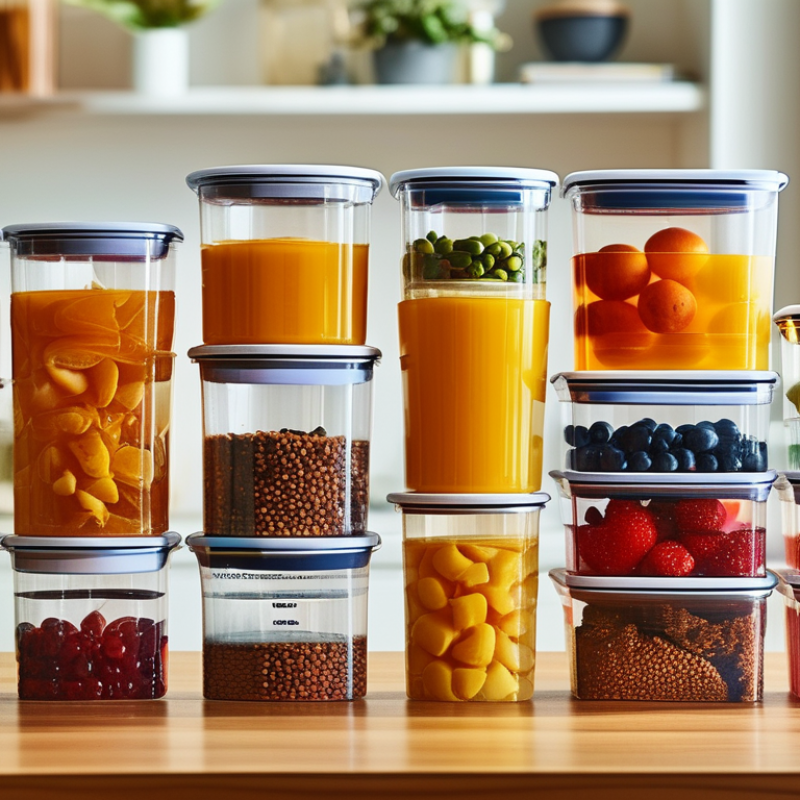
Plastic lid containers come in various types, each serving unique purposes. Consider the usage context when selecting a container. For food storage, airtight options prevent spoilage. Look for BPA-free materials to ensure safety. If you need containers for crafting or organization, choose clear plastic. Visibility helps in quickly locating items.
Different shapes and sizes cater to various needs. Round containers are great for liquids, while rectangular ones maximize shelf space. Think about stackability for efficient storage. Some containers offer additional features, like microwavable safe options. Check the durability of the lids as well; flimsy lids can lead to spills and waste.
However, it is essential to reflect on long-term use. Not all containers are created equal, and some may wear out quickly. Reconsider the environmental impact of single-use plastics in your choices. Are there reusable options available? Understanding these factors allows for better decisions in the long run, contributing to a more sustainable lifestyle.
Factors to Consider When Choosing Plastic Lid Containers
When selecting plastic lid containers, consider several key factors to ensure they meet your specific needs. Material quality is essential; look for durable plastics that resist breaking and warping. Many containers are made from polyethylene or polypropylene, both of which offer excellent flexibility and strength. However, not all plastics are suitable for all food types. Assess the container's compatibility with the items you plan to store.
The size and shape of the containers are also crucial. Think about what you'll store. Will you need shallow or deep containers? Are square or round shapes more practical for your storage space? Having multiple sizes can help in organizing better. Additionally, check if the lids seal tightly to prevent spills, which can compromise safety and cleanliness.
Another aspect to reflect upon is the ease of cleaning. Some containers can be quite difficult to hand wash, leading to lingering odors. Evaluate if they are dishwasher safe. Finally, consider the environmental impact. Reusable containers can reduce waste. Yet, ensure they are made from recyclable materials when it's time to replace them. By weighing these factors, you can find plastic lid containers that not only meet your requirements but also contribute to more sustainable practices.
Evaluating Size and Capacity for Your Storage Needs
Choosing the right size for plastic lid containers is crucial for efficient storage. Think about what you're storing. Are they small items or larger ones? Smaller containers work well for items like spices or craft supplies. Larger ones are better for bulk items. Understanding the dimensions helps ensure that you utilize your space effectively.
Capacity is another important factor. Always consider how much you need to store. Containers often have volume indicators, but they can sometimes be misleading. It’s better to have a little extra space than to pack items too tightly. If the container feels crowded, it can lead to damage or spoilage. Ensure you evaluate the intended use, as this will inform the size and type of container you need.
It’s easy to underestimate the importance of these factors. For instance, a container that seems perfect might not fit in your cabinet. Measuring before purchase can prevent frustration later. Involving other users in the selection process can also provide valuable insights into what works best for everyone. Remember, storage solutions are personal and should reflect your specific needs.
Assessing Durability and Material Quality of Plastic Containers
When selecting plastic lid containers, it's crucial to assess the durability and material quality. Research indicates that almost 30% of consumers prefer containers made from high-density polyethylene (HDPE) due to its impact resistance. Plastics like polypropylene (PP) are also favored for their robustness and lightweight properties. These materials can endure varying temperatures, making them suitable for a range of applications.
In the food packaging industry, material safety is paramount. According to a 2022 report by the Food Packaging Association, approximately 40% of complaints regarding plastic containers stem from concerns about leaching chemicals. This emphasizes the need for food-grade certifications to ensure safety. Some materials are more prone to wear and tear over time, raising questions about their long-term reliability.
Visual inspection can aid in identifying quality. Look for containers that are free from cracks or discoloration. Additionally, understanding the type of plastic can guide your choice. Containers made from recyclable materials are preferable, but their durability can sometimes be overlooked. This complexity in choices highlights the importance of balancing eco-friendliness with performance, which many consumers are still navigating.
Durability Assessment of Plastic Lid Containers
Identifying Specialized Features for Specific Uses and Applications
When selecting plastic lid containers, consider specialized features suited for various uses. Different needs require different options. For kitchen storage, airtight seals are essential. They keep food fresh longer and prevent spills. Look for clear containers to easily identify contents. This saves time and reduces waste.
For outdoor activities, durability is key. Containers made from robust materials can withstand rough handling. Consider options that are lightweight and portable. Features like built-in handles can enhance mobility. Some containers even come with compartments for organizing snacks or tools.
In crafting or utility settings, check for stackable designs. Stackable containers save space and provide organization. It is important to assess the lid's fit. A loose lid can lead to messes. Reflect on how often you will use these containers. Regular use may justify spending a bit more on quality. Your needs might change, so flexibility in design can be an asset.