How to Choose the Best Disposable Plates for Your Event?
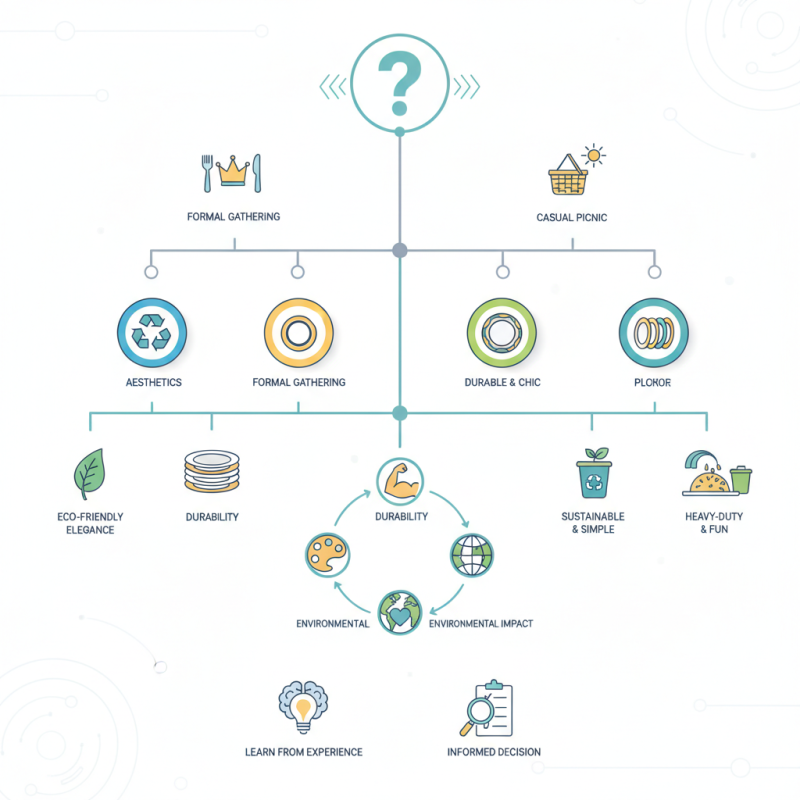
When planning an event, the choice of Disposable Plates can significantly impact the overall experience. These plates come in various styles, materials, and designs, making it crucial to select the right ones for your occasion. Do you want elegance or simplicity? Are you catering for a casual picnic or a formal gathering?
Choosing Disposable Plates means considering aspects beyond just aesthetics. Durability and functionality are key factors. Will the plates hold heavy foods without bending? What about the environmental impact of your choices? Many options are eco-friendly, but do they meet your needs?
It's essential to reflect on what works best in different situations. A beautiful plate might look appealing but may not withstand the demands of your event. Learning from past experiences can guide you. Your choice of Disposable Plates can reflect your style and enhance your guests' enjoyment. Take the time to make informed decisions. Your event deserves it.
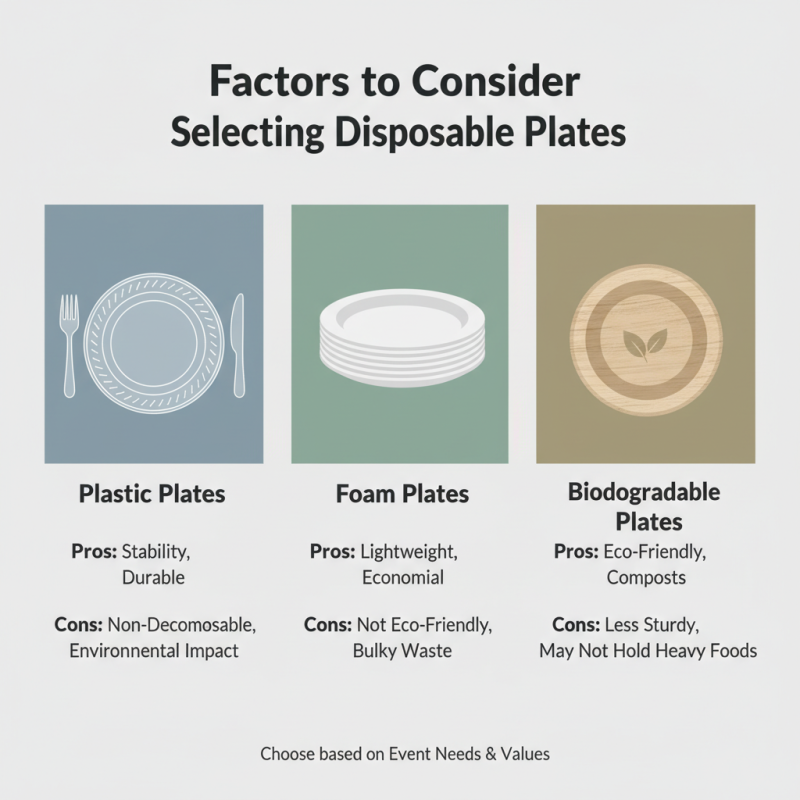
Factors to Consider When Selecting Disposable Plates
When selecting disposable plates for an event, consider the material. Options include plastic, foam, and biodegradable varieties. Each material has its pros and cons. Plastic plates offer sturdiness but may not decompose. Foam is lightweight and economical but not eco-friendly. Biodegradable plates are great for the environment but might not hold heavier foods well.
Next, think about the design. A simple plate may suffice for casual gatherings. However, upscale events benefit from elegant designs. Colors and patterns can enhance the theme, yet they can clash. Balance is key; ensure the plates match your event's tone without overloading the senses.
Finally, pay attention to the size and quantity. Plates should be appropriate for the food served. Large servings may require bigger plates. Having too few plates can lead to frustration among guests. Always plan for extras, but don’t go overboard. Reflect on past events and learn from supply miscalculations. Observing these factors carefully leads to a more enjoyable dining experience for everyone involved.
Types of Materials Used in Disposable Plates and Their Benefits
When choosing disposable plates for your event, the material is a key factor. Common types of materials include plastic, paper, and bamboo. Each material has its own benefits and downsides.
Plastic plates offer durability and a variety of designs. They hold up well under heat and moisture, but they are not biodegradable. Consider using them for casual gatherings. Paper plates are lightweight and often compostable. They are perfect for outdoor picnics but may not handle heavy foods well. Bamboo plates are eco-friendly and sturdy. They add a touch of elegance to any event, but they can be more expensive.
Tips for choosing the right material: Check the plate's weight capacity. Look for biodegradable options for an eco-conscious choice. Think about your event's theme, as the right material can enhance the ambiance. Take time to reflect on these considerations to ensure a successful event. Each choice should align with your values and the experience you want to create.
Size and Capacity: Choosing the Right Plates for Your Event
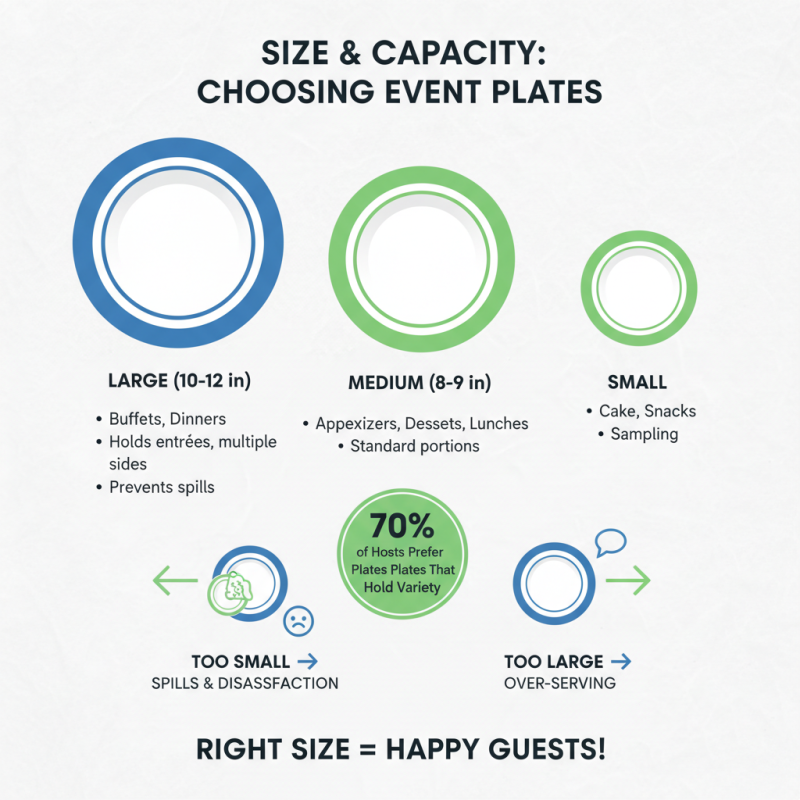
Selecting the right size and capacity for disposable plates is crucial for any event. Research shows that 70% of hosts prefer plates that adequately hold a variety of foods. Choosing the right plate size can impact guest satisfaction. Too small plates may lead to spills, while excessively large plates can encourage over-serving.
Event planners suggest considering the type of food served. For appetizers, smaller plates (7–9 inches) are often sufficient. Main courses typically require larger options (10–12 inches). According to a report by the Food Service Warehouse, miscalculating plate size can result in wasted food and increased costs by over 15%.
Capacity is also an essential factor. Aim for plates that can comfortably hold the expected portion sizes. Keep in mind that not all guests will follow serving norms, leading to unexpected demand. Many experts recommend having extra plates on hand. It's better to err on the side of abundance than scarcity. This approach ensures a seamless dining experience, even if guests deviate from expected serving sizes.
Design and Aesthetics: Matching Plates with Your Event Theme
When selecting disposable plates for your event, design and aesthetics play a crucial role. The right plates can enhance your theme, setting the mood for your gathering. Consider colors and patterns that reflect your event's style. For a rustic wedding, earthy tones with a wooden texture can create a warm atmosphere. Alternatively, sleek, white plates can bring an elegant touch to a formal dinner.
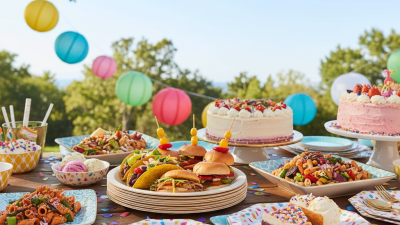
It’s important to think about the feel and purpose of the event. A casual picnic might benefit from fun, brightly colored plates, while a corporate event could require something more subdued. Aim for balance; opt for designs that align with your theme but also remain functional. Sometimes, mixing styles can produce unexpected charm. However, it’s vital to ensure that these choices don’t go overboard, overwhelming your guests.
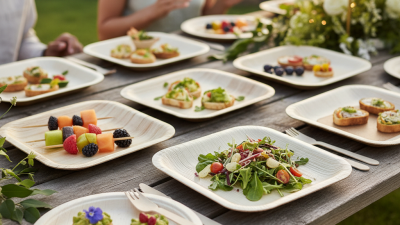
Pay attention to size and shape as well. Round plates are classic, while square options can add a modern flair. Reflect on the food being served, too; larger plates may work best for hearty meals, while smaller, stylish ones fit neatly for appetizers. Some designs look appealing but may not hold up well during the event. A careful selection process is essential for ensuring your disposable plates align seamlessly with your envisioned theme.
Eco-Friendly Options: Sustainable Choices for Disposable Plates
Choosing the right disposable plates for your event can significantly impact sustainability. Eco-friendly options are essential for reducing waste and carbon footprints. A 2021 report from the Environmental Protection Agency shows that Americans generated about 292.4 million tons of trash. Many single-use plates contribute to this alarming statistic.
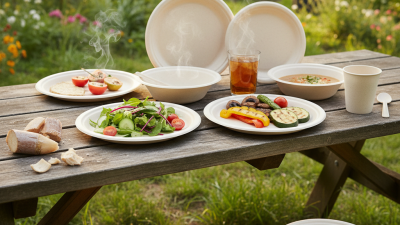
Biodegradable plates are made from materials like sugarcane or bamboo. These plates can break down in composting environments. Research indicates that these materials decompose within 90 to 180 days. Such options help protect our planet while still meeting the needs of a gathering. However, it’s crucial to verify certification for compostability. Many people mistakenly believe all products advertised as “biodegradable” will break down quickly.
Compostable plates often come with higher costs compared to traditional plastic ones. While this can be a drawback, consider the long-term benefits of sustainable choices. Organizations that prioritize ecology gain respect and loyalty from environmentally conscious attendees. Not everyone knows about eco-friendly options, and that is a conversation worth having. Looking closer at materials and sourcing can lead to better choices. Making informed decisions means considering both the present and future impact of disposable products.
How to Choose the Best Disposable Plates for Your Event? - Eco-Friendly Options: Sustainable Choices for Disposable Plates
| Material |
Biodegradability |
Usage |
Strength |
Cost |
| Bamboo |
100% Biodegradable |
Hot & Cold Foods |
High |
$$ |
| Palm Leaf |
Compostable |
Hot & Cold Foods |
Medium |
$$ |
| Sugarcane (Bagasse) |
100% Biodegradable |
Hot & Cold Foods |
High |
$ |
| Recycled Paper |
Varies |
Cold Foods |
Low |
$ |
| Cornstarch |
Biodegradable |
Hot & Cold Foods |
Medium |
$$ |