What are Disposable Bowls and Their Uses?
Disposable bowls are versatile tools in our modern lives. They serve various purposes, offering convenience and practicality. Often made from materials like plastic or paper, these bowls are lightweight and easy to use. Many people rely on disposable bowls for gatherings, parties, and picnics.
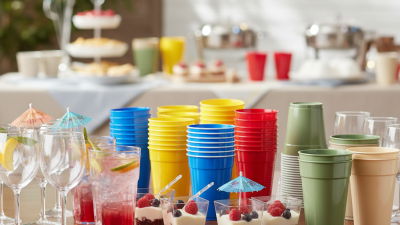
Imagine a colorful birthday party where kids enjoy snacks from cheerful disposable bowls. The ease of cleanup is appealing. However, the environmental impact of disposable options raises concerns. While these bowls simplify serving, they contribute to waste in landfills. Each use can spark thoughts on sustainability and responsibility.
Although disposable bowls are convenient, we should reflect on alternatives. Reusable options may require more effort initially but can significantly reduce waste over time. Balancing convenience and environmental responsibility is crucial. Disposable bowls have their place, but we must consider the bigger picture.
Definition and Characteristics of Disposable Bowls
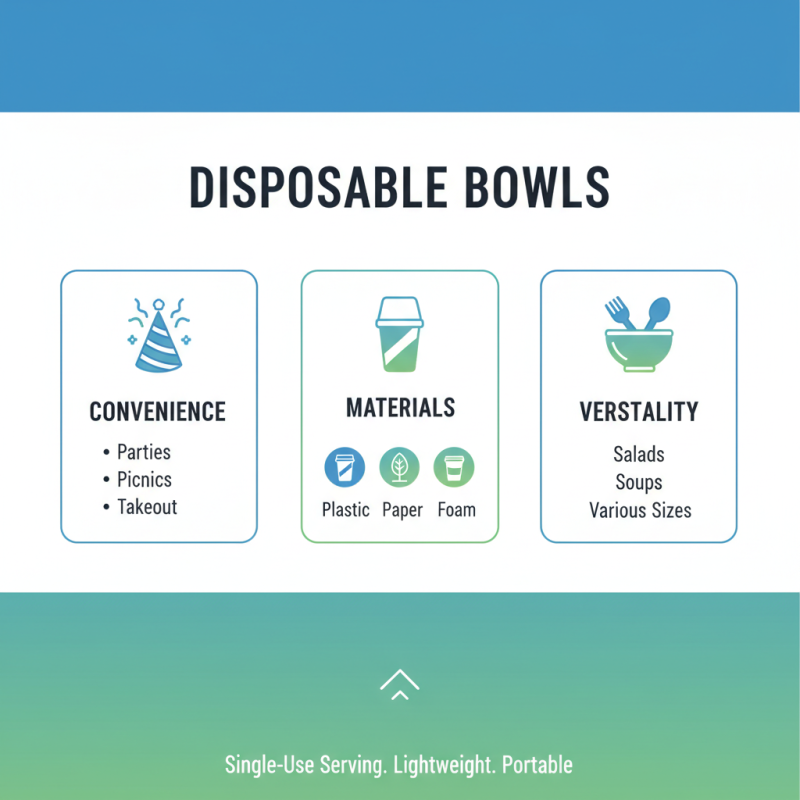
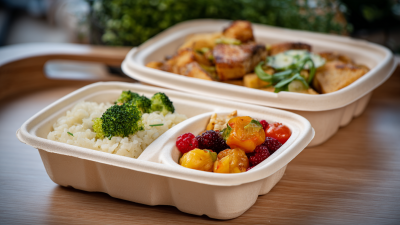
Disposable bowls are single-use serving containers that offer convenience in various settings. Ideal for parties, picnics, or takeout meals, they are lightweight and portable. Made from materials like plastic, paper, or foam, these bowls come in various sizes. Their design caters to different types of food, from salads to soups.
One key characteristic is their practicality. They eliminate the need for washing dishes, saving time and effort. These bowls are often waterproof or grease-resistant, making them suitable for various cuisines. However, the environmental impact of disposable products raises concerns. Many people overlook recycling instructions, leading to increased waste. It’s essential to consider sustainable options when using disposable bowls.
Common Materials Used in Disposable Bowl Production
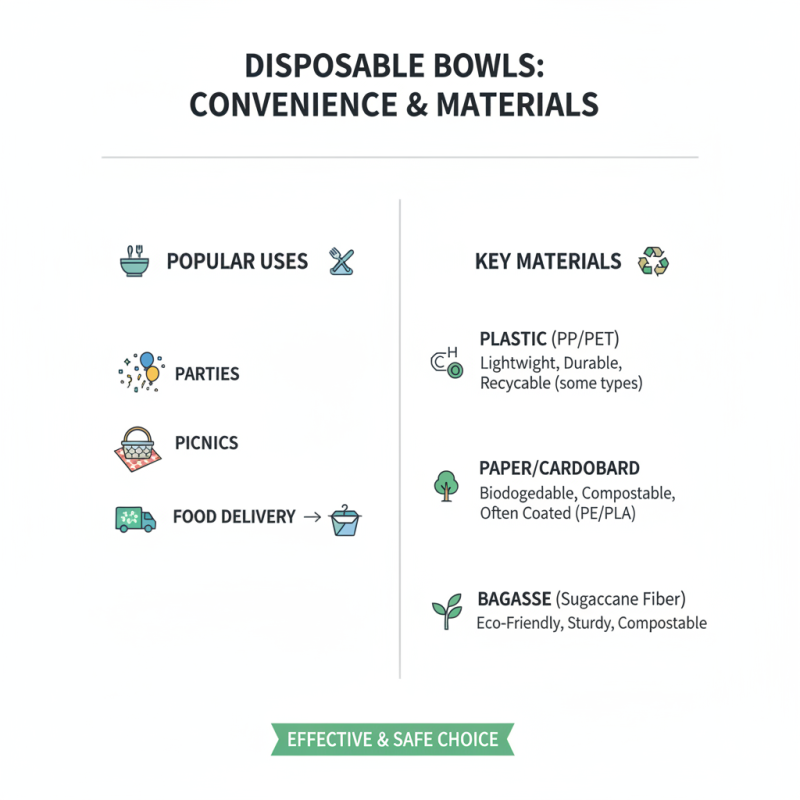
Disposable bowls are popular for their convenience and versatility. They are widely used for parties, picnics, and food delivery. The materials used in their production play a crucial role in their effectiveness and safety.
Commonly, disposable bowls are made from plastic, paper, and foam. Plastic bowls are often lightweight and durable. They can hold a variety of foods without leaking. However, not all plastic is recyclable, raising sustainability concerns. Paper bowls provide a more eco-friendly option. They are biodegradable and compostable but may not be suitable for very hot liquids. Foam bowls are excellent for insulation, keeping foods warm but often contribute to environmental issues.
While these materials serve their purpose well, they come with drawbacks. Many people overlook the impact of single-use products on the environment. Choosing the right type of disposable bowl requires careful consideration. Are we prioritizing convenience over sustainability? The easy choice is not always the best one.
Various Types of Disposable Bowls Available in the Market
Disposable bowls come in various types, each designed for specific uses. One common type is the plastic bowl. It’s lightweight, durable, and often used for parties or picnics. These bowls can hold a variety of foods, from salads to desserts. However, they can sometimes warp under high temperatures.
Another popular option is the paper bowl. These are biodegradable and a favorable choice for environmentally conscious consumers. They are great for serving hot or cold dishes. Unfortunately, they might not hold up well with very liquid items, leading to potential spills.
Foam bowls are also widely used. They are insulated and keep food hot. Yet, they may not be the best choice for all occasions due to their environmental impact. Each type of disposable bowl serves a unique purpose, but they all carry pros and cons that should be weighed before making a choice.
Typical Uses and Applications of Disposable Bowls
Disposable bowls are versatile tools used across various settings. Often made from materials like plastic, paper, or foam, they provide convenience. One typical use is at outdoor parties. These bowls are ideal for serving snacks, salads, or sides without the hassle of cleanup.
In food service, disposable bowls play a crucial role. Fast-food restaurants often use them for serving items like soups or desserts. They are lightweight and stackable, saving space in kitchens. Events like picnics or family gatherings benefit greatly from their convenience. No dishes to wash means more time enjoying the moment. However, it’s important to consider the environmental impact of frequent use.
Despite their benefits, not all disposable bowls are created equal. Some may not hold hot food well, causing spills or discomfort. Choosing a sturdy option is essential for maintaining quality. Also, using them too often raises waste concerns. Reflecting on this can help promote better choices for gatherings.
Environmental Impact and Alternatives to Disposable Bowls
Disposable bowls are convenient for many occasions, but their environmental impact is significant. Most disposable bowls are made from plastic or foam. These materials can take hundreds of years to decompose. Their production also contributes to pollution and resource depletion. When these items end up in landfills, they can leach harmful chemicals into the soil and water.
Alternatives to disposable bowls do exist. Compostable options made from materials like bamboo or sugarcane are becoming more popular. These bowls break down quickly and enrich the soil. Reusable bowls are another effective choice. They reduce waste and can be used multiple times. While some may argue that washing reusable bowls consumes water, the overall reduction in waste is clear. It's a trade-off worth considering for a healthier planet.
Environmental Impact of Disposable Bowls Compared to Reusable Bowls