Top Eco Friendly Disposable Plates for Sustainable Dining Solutions?
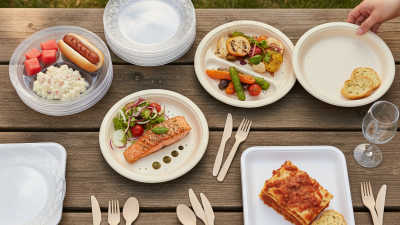
In the quest for sustainable dining solutions, eco-friendly disposable plates have emerged as a vital element of eco-conscious dining. Expert Rebecca Green, a leading authority in sustainable packaging, emphasizes, "Choosing eco-friendly disposable plates minimizes environmental impact while enhancing guest experience." This quote encapsulates the growing recognition of these products in our daily lives.
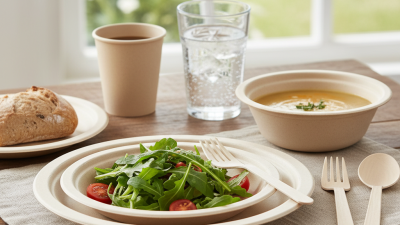
The increasing demand for eco-friendly disposable plates can be attributed to a greater awareness of environmental issues. Many consumers seek alternatives that reduce plastic waste. These plates are often made from materials like bamboo, sugarcane, or recycled paper. This shift represents not just a trend, but a necessary change in how we approach dining events.
Despite the benefits, there are challenges to consider. The production process for some eco-friendly options can still leave a carbon footprint. The packaging, often not eco-friendly, raises questions. Reflecting on these aspects leads to more mindful choices. Ultimately, investing in eco-friendly disposable plates is a step in the right direction, but ongoing evaluation is essential for true sustainability.
What Are Eco-Friendly Disposable Plates?
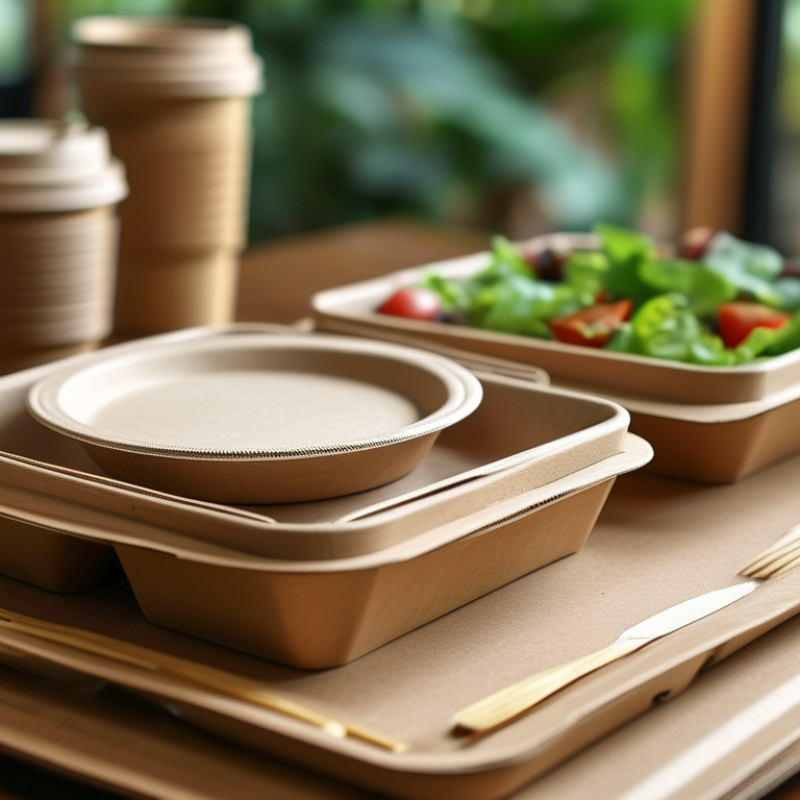
Eco-friendly disposable plates have gained popularity as sustainable dining solutions. These plates are made from materials like bamboo, palm leaves, and recycled paper. They decompose faster than traditional plastic plates, reducing landfill waste. A study by the Environmental Protection Agency found that food service disposables contribute significantly to U.S. landfill waste, highlighting the need for greener alternatives.
Consumers are increasingly aware of their environmental footprint. According to a survey by Green America, 70% of respondents prefer eco-friendly products. This shift in preference has pushed many manufacturers toward using biodegradable materials. However, the market is still cluttered with products that claim to be sustainable but fall short in effectiveness. It's essential for consumers to look for certifications that validate a product's eco-friendliness. Yet, some do find it challenging to discern these labels.
Choosing the right eco-friendly disposable plate involves trade-offs. While many options are compostable, not all break down effectively in home composting systems. Misunderstanding these nuances can lead to continued waste. Additionally, some sustainable materials may be more expensive than conventional options, posing budgetary concerns. Awareness and education are key for making informed choices.
Types of Materials Used in Eco-Friendly Disposable Plates
Eco-friendly disposable plates are gaining traction as sustainable dining solutions. These plates are crafted from various materials, each with unique benefits and limitations. Common materials include palm leaves, bamboo, and sugarcane. These biodegradable options reduce reliance on plastic, a major pollutant.
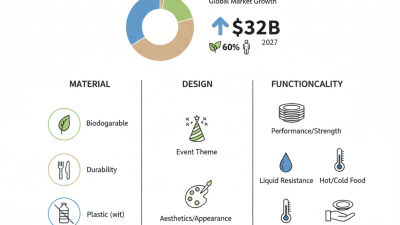
Research indicates that the global eco-friendly tableware market is projected to reach $32 billion by 2025, driven by rising environmental awareness. Bamboo plates, for instance, break down in compost within 30 to 90 days. Palm leaf plates are strong and versatile, often used for both hot and cold dishes. However, sourcing materials sustainably is crucial. Not all bamboo is grown responsibly, which raises questions about deforestation and land use.
When choosing eco-friendly options, consider product certifications that guarantee sustainable practices. Look for plates that are free from harmful chemicals. Biodegradable does not always mean compostable; ensure that products match your disposal method. Supporting local suppliers can also reduce your carbon footprint.
Tips for using eco-friendly plates: Align your portion sizes with plate capacity to minimize waste. Choose plates that suit the meal type, maximizing functionality while maintaining sustainability. Always verify that the plates meet environmental standards to ensure your choices align with eco-friendly dining practices. Embracing these solutions is a step toward a more responsible culinary experience.
Benefits of Using Eco-Friendly Disposable Plates
The push for sustainable dining solutions has led to increased interest in eco-friendly disposable plates. These plates cater to health and environmental needs. The global market for biodegradable tableware is expected to reach $3.38 billion by 2027, highlighting the growing demand.
Using eco-friendly disposable plates reduces plastic use, which poses a significant threat to the environment. Reports suggest that around 300 million tons of plastic is produced annually, with a large portion ending up in oceans. Switching to biodegradable alternatives minimizes this impact on marine life and ecosystems. Furthermore, these plates can be composted, returning nutrients to the soil and fostering a circular economy.
Despite the benefits, challenges exist. Some biodegradable plates may not break down effectively in standard landfills. Consumers often overlook proper disposal methods, leading to unintended environmental consequences. There is also a need for education on differentiating truly eco-friendly options from those that are merely marketed as such. Responsible consumption and a clearer understanding of eco-labeling can enhance the effectiveness of these sustainable choices in dining.
Comparative Analysis of Popular Eco-Friendly Plate Brands
As environmental concerns rise, eco-friendly disposable plates are gaining popularity. Many brands are vying for consumer attention, each claiming sustainability and quality. The materials they use vary, from bamboo to sugarcane. Bamboo plates are sturdy, yet their production can be resource-intensive. Meanwhile, sugarcane plates are biodegradable, but they may not always hold up well against liquid foods.
Tips: When choosing eco-friendly plates, consider their compostability and source of materials. Look for certifications that guarantee sustainability. Not all products labeled as eco-friendly are created equal. Make sure to research their performance in real dining scenarios.
Another key factor is pricing. Some brands are more expensive, but they often justify this with ethical sourcing. However, some consumers may find cheaper alternatives, raising questions about long-term environmental impact. Striking a balance between cost and sustainability can be a challenging task.
Tips: Join local community groups to stay informed about sustainable products. Sharing experiences can provide insight into which brands perform best. Remember, the most eco-friendly option is often determined by your specific needs and practices.
Guidelines for Proper Disposal and Recycling of Eco Plates
Proper disposal and recycling of eco-friendly disposable plates can significantly reduce waste. Many eco plates are made from materials like bamboo, sugarcane, or palm leaves. When you're finished with them, it’s essential to know how to dispose of them correctly.
Composting is a great option for many types of biodegradable plates. These plates break down naturally. However, check if your local composting facility accepts them. If they do, ensure no food residue is left behind. This helps the decomposition process.
For those plates that cannot be composted, look into recycling opportunities. Some eco plates are recyclable, but this often depends on local regulations. Research your local recycling guidelines. Rinse the plates before recycling them. This increases the chance they will be processed correctly.
Tips: Always verify the disposal methods for the specific type of eco plate you use. Engage with community services that promote these practices. Many markets provide resources to help make eco-friendly choices easier. Being informed and proactive creates a positive impact on the environment.