Top 10 Eco Friendly Packaging Solutions for Sustainable Living?
As the world faces mounting environmental challenges, the need for Eco Friendly Packaging has never been more pressing. According to Dr. Emily Turner, a leading expert in sustainable materials, "The future of packaging lies in our ability to innovate responsibly." Her words resonate deeply as consumers and businesses alike strive to reduce their ecological footprints.
Eco Friendly Packaging isn't just a trend; it’s a necessity. Traditional packaging methods often contribute significantly to pollution and landfill waste. Many companies are now exploring biodegradable, compostable, and recyclable options. These alternatives provide an opportunity to protect the planet while still meeting consumer demands. However, the shift to sustainable solutions is not without hurdles.
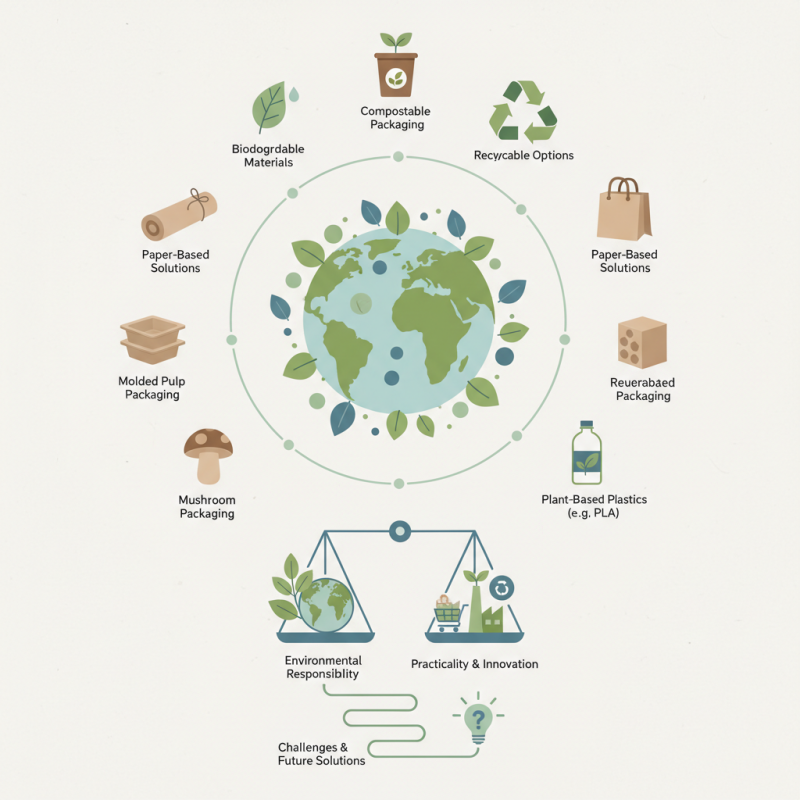
Finding the right materials can be challenging. Many existing options lack durability or affordability. Moreover, education around these alternatives is crucial. Misconceptions about Eco Friendly Packaging can hinder progress. As we explore the top ten innovative packaging solutions, it’s essential to recognize both the potential and the areas needing improvement. Balancing environmental responsibility with practicality remains a key challenge for the industry.
Innovative Biodegradable Materials for Packaging Solutions
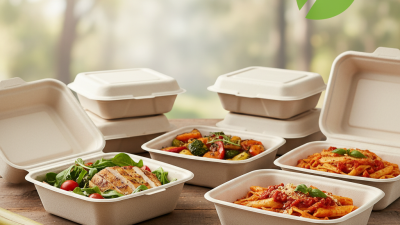
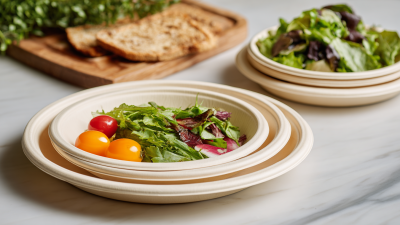
The shift towards eco-friendly packaging is crucial for a sustainable lifestyle. Innovative biodegradable materials are leading the way. These materials break down naturally, reducing waste in landfills. Corn starch, bamboo fibers, and recycled paper are some popular options. They offer similar functionality as traditional plastics. Yet, they leave a lighter environmental footprint.
When choosing biodegradable packaging, consider its entire lifecycle. Some materials may take longer to decompose than others. This could defeat their purpose. Look for certifications that guarantee compostability. Awareness is key; sometimes companies mislabel products. A keen eye will help identify true eco-friendly options.
Tips for sustainable choices: always check labels and ask questions. Understand the origin of materials used in the packaging. Support local businesses that prioritize green practices. Every small action counts. Engage in conversations about sustainability with friends and family. It can inspire collective change. Your choices matter.
Top 10 Eco Friendly Packaging Solutions
This chart illustrates the most popular eco-friendly packaging solutions based on their sustainability and innovation. The data reflects the estimated market share of various biodegradable materials utilized in packaging as of 2023.
The Role of Reusable Packaging in Reducing Waste
Reusable packaging plays a crucial role in reducing waste. Reports show that single-use packaging contributes to approximately 300 million tons of plastic waste annually. Many consumers are now turning to reusable options, recognizing their environmental benefits. According to a recent study, switching to reusable packaging can cut waste by up to 67%.
Countries implementing reusable systems have seen a positive impact. For example, cities that promote reusable bags and containers report a significant drop in litter. However, many consumers still prefer convenience over sustainability. The challenge lies in changing behavior and perceptions. People often overlook the long-term benefits of investing in reusable solutions.
Innovations in sustainable packaging are on the rise. Reusable containers made from recycled materials are becoming common. Yet, the industry still grapples with issues like durability and cost-effectiveness. Not every reusable option is perfect. Some materials may not be as eco-friendly as advertised, leading to confusion. The path to widespread adoption requires continuous education and improvement.
Top 10 Eco Friendly Packaging Solutions for Sustainable Living
| Packaging Solution |
Material Type |
Reusability |
Impact on Waste Reduction |
Additional Benefits |
| Biodegradable Bags |
Plant-based Polymers |
Single-use (designed to decompose) |
Reduces landfill waste significantly |
Compostable, non-toxic |
| Glass Containers |
Glass |
Reusable |
Minimal environmental impact |
Recyclable, durable |
| Metal Tins |
Aluminum or Steel |
Reusable |
Reduces plastic usage |
Long lifespan, recyclable |
| Cardboard Boxes |
Recycled Paper |
Reusable (for storage) |
Biodegradable, reduces plastic waste |
Cost-effective, easily recyclable |
| Mushroom Packaging |
Mycelium and agricultural waste |
Single-use (biodegradable) |
Completely breaks down in soil |
Renewable resource, compostable |
| Cornstarch Packaging |
Cornstarch |
Single-use (biodegradable) |
Reduces plastic pollution |
Non-toxic, compostable |
| Compostable Wraps |
Plant-based materials |
Single-use (biodegradable) |
Completely compostable |
Food safe, eco-friendly |
| Tissue Paper |
Recycled Paper |
Single-use |
Biodegradable, reduces plastic |
Versatile, recyclable |
| Eco-Friendly Pallets |
Wood or Recycled Plastic |
Reusable |
Lower carbon footprint |
Sturdy, long lasting |
| Recycled Denim Insulation |
Recycled Denim Fabric |
Reusable |
Minimizes landfill waste |
Excellent thermal properties |
Sustainable Sourcing: Eco-Friendly Paper and Cardboard Options
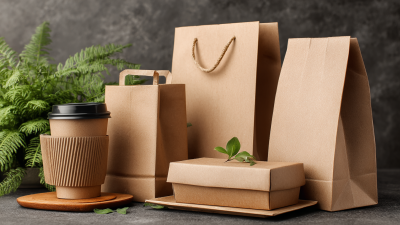
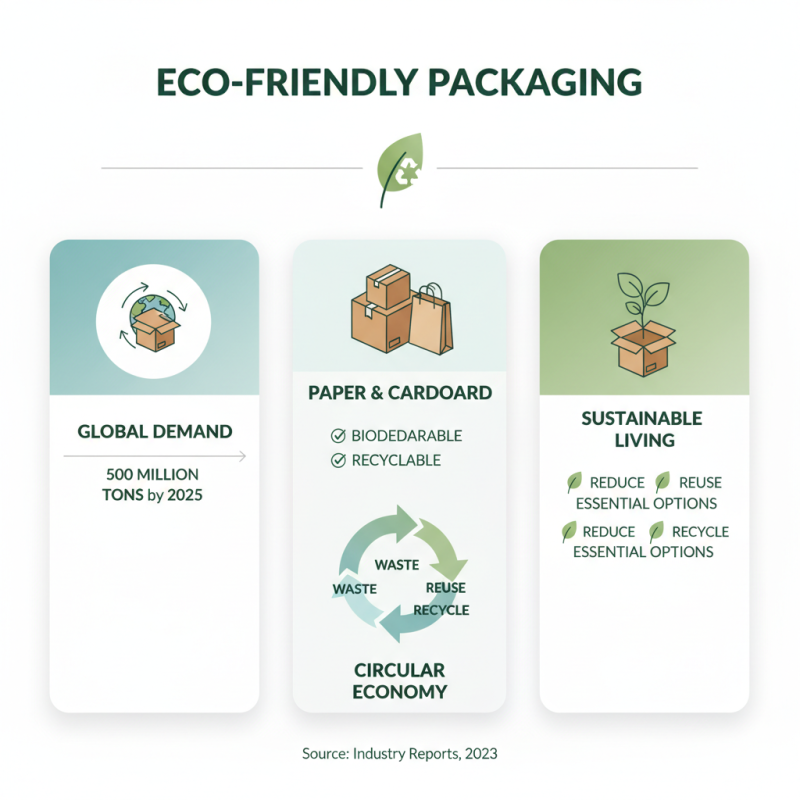
In the quest for sustainable living, eco-friendly paper and cardboard options emerge as essential. The global demand for packaging is expected to reach 500 million tons by 2025. Paper and cardboard remain popular choices. They are biodegradable and recyclable, making them ideal for a circular economy.
Many industry reports highlight the positive impact of using sustainable materials. For instance, recycled paper reduces energy use by 60% compared to virgin paper. This statistic shows the benefits of switching to recycled options for packaging. Using paper products can decrease carbon footprints significantly if sourced sustainably. However, not all paper is created equal. It's crucial to ensure that the paper comes from responsibly managed forests.
Tips: Look for certifications like FSC or SFI to identify sustainable sourcing. Try to minimize excess packaging whenever possible. Small changes in purchasing habits can lead to significant impacts. Remember, not every paper product is environmentally friendly. Research your options carefully to make informed choices for a better future. Embracing these practices can seem challenging, but they are a step towards reducing waste and preserving our planet.
The Impact of Plant-Based Plastics on Environmental Sustainability
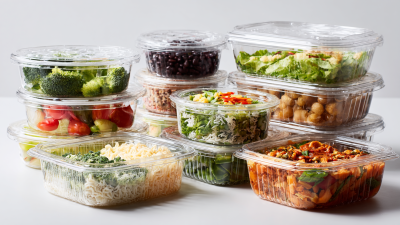
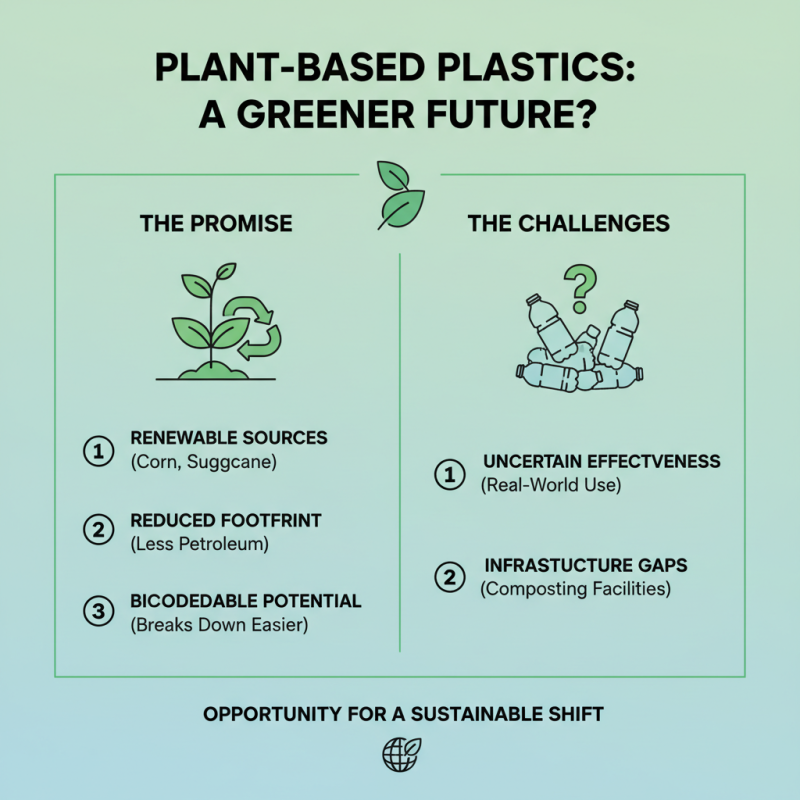
The rise of plant-based plastics presents new opportunities for reducing our environmental footprint. These materials, derived from renewable sources, offer a potential alternative to traditional petroleum-based plastics. Made from natural resources like corn or sugarcane, they can break down more easily than conventional options. However, the effectiveness of these bioplastics in real-world applications often remains uncertain.
One concern is the production process. While plant-based plastics are marketed as eco-friendly, cultivating the crops can lead to deforestation and habitat loss. Additionally, the processing of these plants into usable materials consumes energy. It's critical to consider the entire lifecycle of these products. How sustainable are they in practice? This complexity can make it hard for consumers to make informed choices.
Moreover, many consumers are unaware that plant-based plastics often require industrial composting facilities for proper degradation. If discarded in regular landfills, they may not break down effectively. This disparity between expectation and reality presents a thoughtful challenge. As the demand for eco-friendly packaging grows, the quest for truly sustainable options takes center stage. Understanding the limitations of plant-based plastics is essential for a holistic approach to environmental responsibility.
Designing Minimalist Packaging to Reduce Environmental Footprint
In an age of excess, minimalist packaging is a powerful way to reduce our environmental footprint. Streamlined designs use less material and reduce waste. Think of simple cardboard boxes or reusable cloth bags. These alternatives keep the earth cleaner and make transportation more efficient. By focusing on what truly matters, we can make our mark with less impact.
However, minimalist packaging isn't perfect. Sometimes, it may lack durability or protection for fragile items. A thin layer of protection can be lost in the name of simplicity. Consumers also need education on proper disposal or recycling methods. Not everyone knows how to handle new types of materials.
Moreover, deciding what is genuinely minimal can be subjective. One person's essential may be another's excess. Striking a balance between aesthetics and functionality is a challenge. Thoughtful design must consider end-of-life options as well. Packaging should not just look good but also leave a positive legacy behind. It’s an ongoing journey towards sustainability, where every step counts.