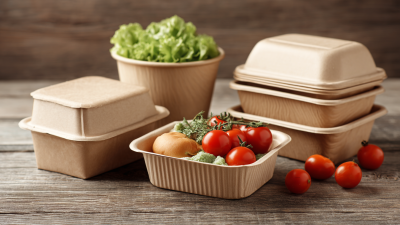
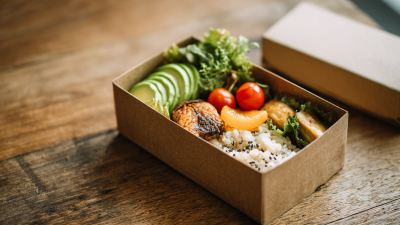
Why Are Disposable Food Containers Essential for Modern Dining?
In today's fast-paced world, disposable food containers have become indispensable for modern dining. Experts emphasize their importance in convenience and hygiene. As Dr. Emily Parker, a leading authority in food safety, states, “Disposable food containers enhance meal protection while minimizing contamination risks.”
These containers are vital for takeout meals, picnics, and events. They provide a reliable way to transport food without the risk of spills. Many restaurants rely on disposable food containers to maintain their service quality and customer satisfaction. With an increase in demand for off-site dining, their usage has surged.
However, the reliance on disposable food containers raises questions about sustainability. The environmental impact cannot be overlooked. Businesses must balance convenience with eco-friendliness. Ongoing innovation in biodegradable options shows promise, yet much work remains. As dining trends evolve, the role of disposable food containers remains critical, inviting reflection on their lasting footprint.
The Growing Popularity of Disposable Food Containers in Dining
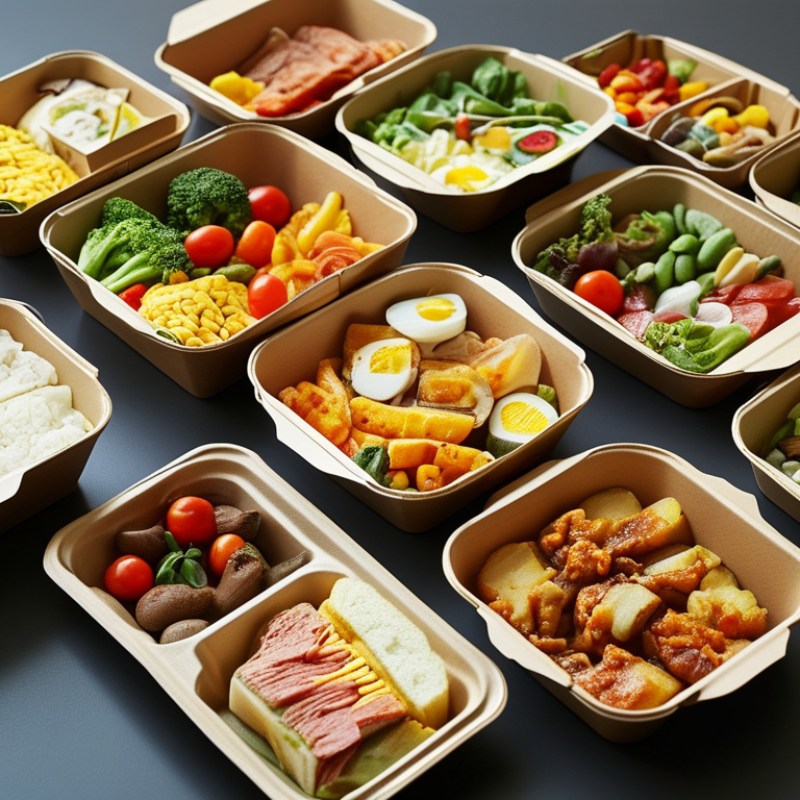
The trend of disposable food containers is on the rise. More restaurants and homes prefer these convenient options. They cater to our fast-paced lifestyles, making dining easier and quicker. For busy families, grabbing a meal to go saves time. In cities, delivery services thrive on these disposable solutions.
However, not everything is perfect. Many disposable containers lack sustainability. They often end up in landfills, raising environmental concerns. It’s important to consider the impact of our choices. Some companies are exploring biodegradable options. Awareness of waste is increasing. Consumers are beginning to demand better alternatives.
The growing popularity of disposable food containers reflects changing dining habits. Social gatherings and outdoor events often require portable solutions. Yet, this trend urges us to rethink our approach. Convenience should not overshadow our responsibility. Balancing practicality and sustainability is key for the future.
Convenience and Flexibility: The Benefits of Disposable Containers
Disposable food containers have transformed modern dining. Their convenience allows us to enjoy meals on the go. Whether it's lunch at work or dinner at a picnic, these containers fit seamlessly into our busy lives. They are lightweight and easy to carry, making them ideal for various settings. Plus, they come in various sizes, accommodating everything from salads to desserts.
Flexibility is another advantage. Disposable containers cater to diverse culinary needs. Home cooks can prepare large meals, packaging leftovers effortlessly. Catering services benefit as well. They can serve multiple dishes without the hassle of cleanup. This flexibility often promotes creativity in meal planning, but it's important to consider waste management. Some of these containers may not be eco-friendly. Research is essential to choose disposable options that minimize environmental impact.
Moreover, there’s a balance to strike. Convenience shouldn’t overshadow sustainability. Many disposable containers are single-use, leading to increased waste. Users should reflect on their choices and explore recyclable options. Embracing disposable containers is about enhancing dining experiences while remaining mindful of the planet.
Benefits of Disposable Food Containers in Modern Dining
This chart illustrates the various benefits of disposable food containers in modern dining, highlighting their convenience, flexibility, cost-effectiveness, hygiene, and portability. Each benefit is represented as a percentage of overall importance, showcasing how disposable containers enhance the dining experience.
Environmental Impact: Balancing Convenience with Sustainability
Disposable food containers have become a staple in modern dining. They allow for convenience but pose significant environmental challenges. The issue lies in the materials used. Many containers are made from plastics that take centuries to decompose. This contributes to overflowing landfills and pollution in our oceans.
While disposable containers offer ease for takeout and meal prep, they can lead to a mindset of wastefulness. A quick meal shouldn't come at the cost of our planet's health. Many consumers are unaware of the environmental impact of their choices. The convenience of single-use items often overshadows the need for sustainable alternatives.
Implementing better recycling practices is essential. Understanding how to dispose of these containers properly can make a difference. Some companies are exploring biodegradable options, but they still face challenges. Balancing convenience with sustainability remains an ongoing conversation. As consumers, we must reflect on our habits. Our choices today shape the environment of tomorrow.
Safety and Hygiene: Ensuring Food Quality with Disposables
Disposable food containers play a vital role in ensuring safety and hygiene in modern dining. According to a survey by the Food and Drug Administration, around 48 million Americans get sick from foodborne illnesses annually. Using disposable containers can significantly reduce the risks associated with cross-contamination. They are designed for single use, minimizing the chances of germs spreading from reused containers.
In recent studies, nearly 64% of food establishments reported that disposables improved their sanitation practices. This is especially true during busy service hours when time is limited. Disposable containers allow staff to quickly package food without the need for washing and sanitizing reusable items. However, there are challenges too. Mismanaged disposal can lead to environmental concerns. Many companies are now exploring eco-friendly options like biodegradable materials.
Crafting a safe dining experience means balancing convenience and environmental responsibility. While disposable containers enhance hygiene, they also contribute to waste. It’s crucial to reflect on this trade-off. Continuous advancements in disposable technology are paving the way for future solutions. Enhanced materials can ensure food quality while addressing sustainability.
Consumer Trends: Shifting Preferences Toward Disposable Dining Solutions
The dining landscape is changing. Consumers are increasingly leaning towards disposable food containers. This shift is often driven by convenience. Many modern lifestyles demand quick and easy meal solutions. Busy individuals and families appreciate the time saved using disposable options. These containers make meal prep faster and cleaner.
Sustainability is also becoming a key concern. Eco-friendly disposable materials are gaining popularity. Many people want to minimize their carbon footprint. However, some still debate the environmental impact of single-use containers. They express concerns about waste management and recycling. It’s a complex issue that invites reflection.
Cultural trends are evolving too. Social gatherings often feature takeout meals served in disposable containers. This style of dining enhances flexibility. Yet, it raises questions about the dining experience. Are we sacrificing quality for convenience? As preferences shift, it becomes crucial to balance convenience and sustainability.