Leave Your Message

10 Essential Tips for Choosing the Best Disposable Plates for Your Events?

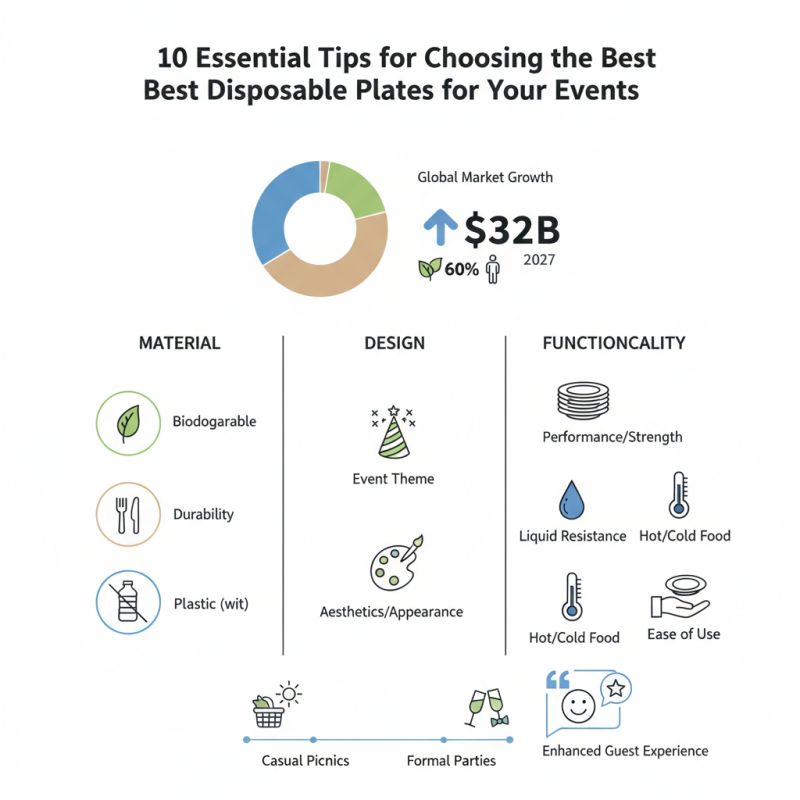
Choosing the right disposable plates for your events can make a significant difference. Research indicates that the global disposable dinnerware market is expected to reach $32 billion by 2027. This growth reflects a rising preference for convenience and sustainability. Disposable plates have become essential for hosting gatherings, from casual picnics to formal parties.

When selecting disposable plates, consider three main factors: material, design, and functionality. Many consumers are opting for biodegradable options, as 60% of event planners prioritize eco-friendly products. However, not all biodegradable plates perform well. It is essential to assess their durability and appearance. While plastic plates might offer strength, they can harm the environment if not disposed of properly.

Many people overlook the importance of matching plates to their event theme. This oversight can impact guest experience significantly. Research shows that attractive serving ware enhances meal enjoyment. Disposable plates should not only be functional but also aesthetically pleasing. Choosing the right options can leave a lasting impression, proving that even disposable items deserve careful consideration.
10 Essential Tips for Choosing the Best Disposable Plates for Your Events?

Factors to Consider When Selecting Disposable Plates for Events

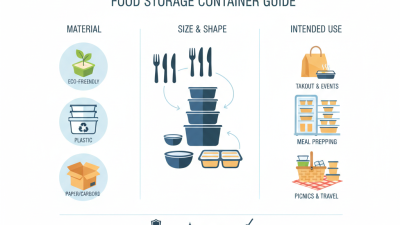
When selecting disposable plates for events, consider material first. Plastic, paper, and biodegradable options all have unique benefits. Plastic plates offer durability but may contribute to waste. Paper plates are often lighter but can sag under heavy food. Biodegradable options are eco-friendly, yet they may not be as sturdy.

Next, think about the size and design. Different dishes suit varied cuisine. Larger plates are better for hearty meals, while smaller plates work for appetizers. Design matters too; colorful prints can elevate your event's aesthetic. However, overly busy patterns may distract from the food. Keep functionality at the forefront, as aesthetics shouldn't overshadow practicality.

Lastly, consider your budget. Some disposable plates can be surprisingly expensive, especially if you choose decorative types. It's easy to overspend when aiming for the perfect presentation. Look for balance between style and cost. Focusing only on appearance may lead to choosing less practical options. Making thoughtful choices will enhance your event without unnecessary waste.

10 Essential Tips for Choosing the Best Disposable Plates for Your Events

Factor Description Recommended Material Eco-Friendly Options
Durability Consider the weight and sturdiness of the plates to prevent bending. Plastic or heavy-duty paper Bamboo or sugarcane plates
Size Choose sizes based on the type of meal to be served, such as appetizers or full meals. Standard dinner or salad plate sizes Various sizes available in biodegradable options
Design Select plates that match the theme of your event. Colored or patterned plastic Natural design bamboo plates
Cost Stay within budget while considering the necessary quality. Affordable plastic options Slightly higher for eco-friendly options
Sustainability Opt for eco-friendly materials to reduce environmental impact. Recyclable plastic Compostable or renewable materials
Heat Resistance Ensure the plates can handle hot foods without warping. Thicker plastic or foam Bagasse (sugarcane) plates
Microwave-Safe If you plan to use a microwave, check for microwave safety. Microwave-safe plastics Certain biodegradable options
Weight Lighter plates can be easier to handle, but ensure they are not flimsy. Lightweight disposable plastic Lightweight paper or bamboo plates
Availability Ensure the plates are readily available and delivered on time. Widely stocked disposable plates May require special orders

Material Options for Disposable Plates: Plastic, Paper, and More

When selecting disposable plates for events, materials matter greatly. The three primary options include plastic, paper, and compostable materials. Each type has its pros and cons that can affect your decision.

Plastic plates are duruable and often leak-proof. They are popular for events with saucy foods. However, they contribute significantly to plastic waste, with around 300 million tons produced annually. In contrast, paper plates are biodegradable and made from renewable resources. While they may not hold up well under wet conditions, many users appreciate their eco-friendliness. Industry reports indicate that over 80% of consumers prefer sustainable options when available.

Compostable plates are gaining traction, offering both sturdiness and a lower environmental impact. They often decompose within 90 days in commercial facilities. Yet, they can be more expensive and may not always perform as expected. Some users find that they break easily, particularly during heavy use. Balancing quality and sustainability remains a challenge for event planners. Choosing the right material involves weighing convenience against environmental responsibility, a decision that can shape your event's overall success.

Sizing and Shape: Choosing the Right Plate for Your Menu

Choosing the right plate size and shape for your event is crucial. It directly impacts how your food is presented. Consider the types of dishes you’ll serve. Large, hearty meals might require wider plates. Smaller appetizers may not look appealing on oversized platters.

Think about the overall theme of your event. Elegant affairs often call for square or oval plates, while casual gatherings suit round styles. A plate’s shape can influence the dining experience. For instance, deep bowls can enhance the enjoyment of soup or salads.

You may encounter unforeseen challenges with sizes. A plate that is too small can lead to spills. Conversely, a large plate may leave guests feeling uninspired. Balance is key. Experiment with different combinations before making a final decision. Reflect on past events. What worked? What didn’t? Your choices today shape future experiences.

Eco-Friendly Choices: Biodegradable and Compostable Disposable Plates

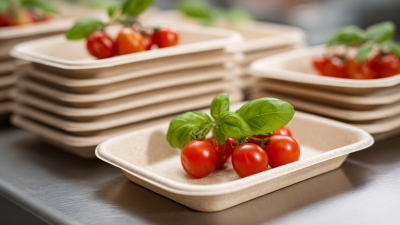
When hosting events, the choice of disposable plates can greatly impact both the experience and the environment. Eco-friendly options are increasingly popular. Biodegradable and compostable plates offer a sustainable alternative to traditional plastic. A report from the Environmental Protection Agency states that about 28 million tons of plastic waste were generated in the U.S. in 2020 alone. Choosing biodegradable plates can help reduce this staggering number.

Biodegradable plates break down naturally, minimizing pollution. Made from materials like sugarcane, bamboo, and palm leaves, they can decompose in composting conditions. A study by the Natural Resources Defense Council found that composting can reduce waste by 50% in some areas. However, not all biodegradable options are created equal. Some may require industrial composting to decompose effectively, which may not be available in every community.

Moreover, while these plates are a better choice than plastic, their production can still have an environmental footprint. There can also be costs associated with sourcing and transporting these materials. Event planners must weigh these factors carefully. Understanding the specific needs of your event and location will help in making the best choice for the environment and your guests.

Environmental Impact of Disposable Plates

Budgeting: Balancing Cost and Quality in Disposable Plate Selection

10 Essential Tips for Choosing the Best Disposable Plates for Your Events?

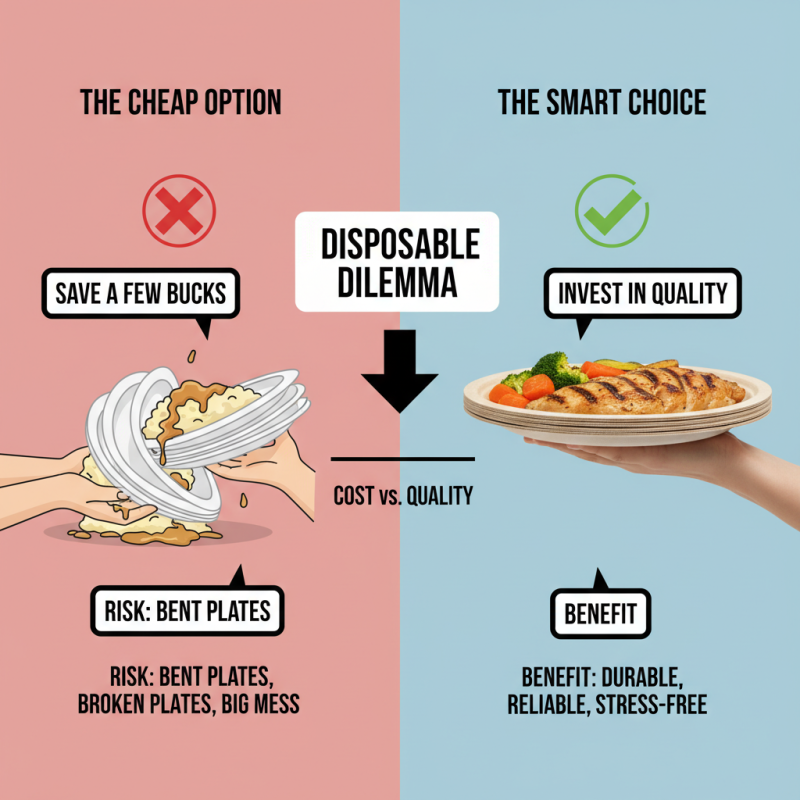
When planning an event, the choice of disposable plates can seem daunting. Balancing cost and quality is crucial. It’s easy to aim for cheap options, but that decision can lead to problems. Low-quality plates might bend or break, causing a mess. A few dollars saved can quickly become a headache.

Consider the material of the plates. Some are sturdier than others. If you’re serving heavier meals, opt for stronger plates. This decision plays a big role in the overall experience. Guests may notice if the plates are flimsy. However, it’s vital to remain cost-effective. Do not overspend on premium plates if your budget is tight.

When shopping, look for bulk discounts. Purchasing larger quantities can lower the price per item. This can help you stay within budget while maintaining quality. Explore various suppliers and compare their offerings. Finding the right balance can improve guest satisfaction without overspending. Every choice matters in delivering a memorable event, so reflect carefully before deciding.