Top Reasons to Choose Bagasse Clamshell for Eco-Friendly Packaging?
In today’s environmentally conscious world, businesses seek sustainable packaging solutions. One notable option is the Bagasse Clamshell. Made from sugarcane fibers, it offers a biodegradable alternative to traditional plastic containers. The rise in eco-friendly initiatives has made this packaging increasingly relevant.
Bagasse Clamshell provides effective protection for food items. Its sturdy design ensures that products remain safe during transportation. This durability does not compromise its sustainability. The biodegradable nature of bagasse means it breaks down naturally over time. However, some may question its cost-effectiveness compared to plastic. It’s essential to weigh the long-term benefits against initial expenses.
Choosing Bagasse Clamshell reflects a commitment to environmental stewardship. Many companies are making this switch, acknowledging its benefits to the planet. Still, there are areas for improvement in production processes. As awareness grows, further innovation in eco-friendly packaging is necessary. This path is challenging but vital for a sustainable future. The Bagasse Clamshell stands as a beacon of hope in the quest for greener solutions.
Benefits of Bagasse Clamshell as an Eco-Friendly Packaging Solution
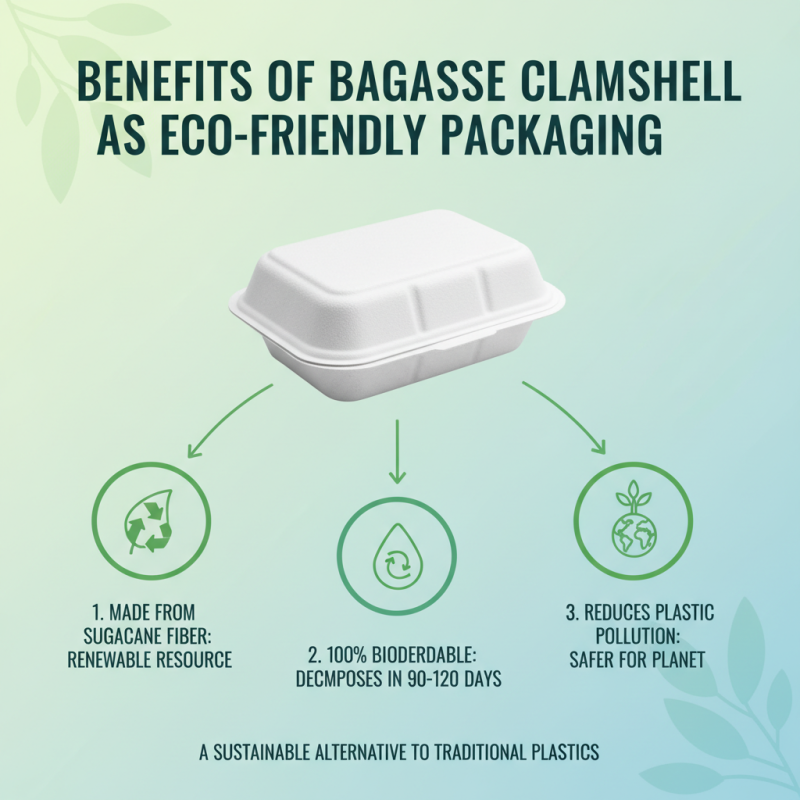
Bagasse clamshells are gaining traction as a sustainable packaging solution. Made from sugarcane fiber, they offer a biodegradable alternative to traditional plastics. According to the Biodegradable Products Institute, products made from bagasse can decompose within 90-120 days under the right conditions. This is a significant benefit as many plastics take hundreds of years to break down.
Moreover, bagasse clamshells are great for food packaging. They are grease-resistant and hold up well against moisture. Research shows they can withstand heat, making them ideal for hot meals. A report by the Food Packaging Forum highlights that eco-friendly packaging can help reduce food waste. When food stays fresh longer, less gets tossed out.
It's important to note the production of bagasse clamshells does have an environmental footprint. While they are more sustainable than plastic, sourcing and processing still require energy. This highlights the need for ongoing improvements in the eco-friendly packaging industry. Overall, bagasse clamshells demonstrate potential, but further advancements are necessary for even greater sustainability.
Sustainability: How Bagasse Supports Environmental Conservation Efforts
Bagasse is an excellent choice for eco-friendly packaging. It’s made from the fibrous residue of sugarcane, which is a renewable resource. When we use bagasse for packaging, we help reduce reliance on plastic. Bagasse clamshells are compostable, which means they break down naturally. This property supports environmental conservation by minimizing landfill waste.
Choosing bagasse packaging can also lead to lower carbon emissions. The production process emits fewer greenhouse gases compared to plastic packaging. Additionally, bagasse is biodegradable, allowing it to decompose without harming soil health. Many restaurants and stores are making the switch, showcasing their commitment to sustainability.
Tip: Always check for certifications. Look for products that are marked as compostable. This ensures you’re making the right environmentally friendly choice.
Another consideration is sourcing. Make sure your bagasse products come from responsibly managed sources. Supporting sustainable agriculture can help conserve natural habitats.
Tip: Educate others about bagasse. Share information on its benefits. Encourage friends and family to choose eco-friendly options for a greener planet.
Biodegradability: The Natural Lifecycle of Bagasse Clamshells
Bagasse clamshells are gaining prominence for their environmental advantages. As an agricultural byproduct from sugarcane, they provide a sustainable alternative to traditional packaging materials. Biodegradability is one of the standout features of bagasse. Research shows that these clamshells can decompose within 60 to 90 days in a composting environment. This reduces the burden on landfills significantly, contrasting sharply with plastic, which can take centuries to degrade.
The natural lifecycle of bagasse clamshells aligns well with eco-conscious consumer preferences. A study by the Biodegradable Products Institute indicated that 68% of consumers prefer products with eco-friendly packaging. This shift reflects growing awareness about environmental impacts. However, not all packaging that claims to be biodegradable is truly effective. Consumers must read labels carefully to ensure they are making informed choices.
While the benefits of bagasse clamshells are clear, challenges remain. The production process can contribute to carbon emissions if not managed properly. Moreover, the availability of bagasse clamshells can be inconsistent due to agricultural cycles. A deeper understanding of these factors is essential for industries aiming to be genuinely sustainable.
Top Reasons to Choose Bagasse Clamshell for Eco-Friendly Packaging
Comparative Analysis: Bagasse vs. Traditional Packaging Materials
Bagasse clamshells emerge as a sustainable alternative to traditional packaging materials. Made from sugarcane byproducts, these clamshells are biodegradable and compostable. In contrast, most traditional materials, like plastic and foam, contribute significantly to environmental pollution. The production of bagasse clamshells uses less energy and water, offering a more eco-friendly solution.
When comparing bagasse to traditional options, the benefits are clear. Bagasse is durable and can securely hold various food items. Its natural fiber structure provides insulation, which helps maintain food temperature. Traditional packaging often fails in these areas, leading to more waste. While bagasse clamshells are generally more sustainable, they may not always hold up in extreme conditions. This can be a concern for some users. Future improvements in manufacturing could address these weaknesses, enhancing reliability even further.
This shift towards using bagasse reflects a growing awareness of environmental issues. Adopting eco-friendly packaging is not just about trends; it's about making responsible choices. As consumers demand better options, the focus must remain on improving material performance while minimizing ecological impact. Exploring these avenues will be crucial for businesses moving forward.
Top Reasons to Choose Bagasse Clamshell for Eco-Friendly Packaging
| Feature |
Bagasse Clamshell |
Traditional Packaging Materials |
| Biodegradability |
Yes, compostable within 60-90 days |
Varies, generally not biodegradable |
| Renewable Resource |
Yes, made from sugarcane byproduct |
Depends on the material (e.g., plastic from fossil fuels) |
| Carbon Footprint |
Lower due to less energy-intensive production |
Higher, especially with plastic and polystyrene |
| Heat Resistance |
Good, suitable for hot foods |
Varies; some may warp or melt |
| Cost-Effectiveness |
Competitive with traditional options |
Generally lower initial cost |
| User Perception |
Positive, viewed as eco-friendly |
Mixed; increasing backlash against plastics |
Cost-Effectiveness: Economic Advantages of Using Bagasse Clamshells
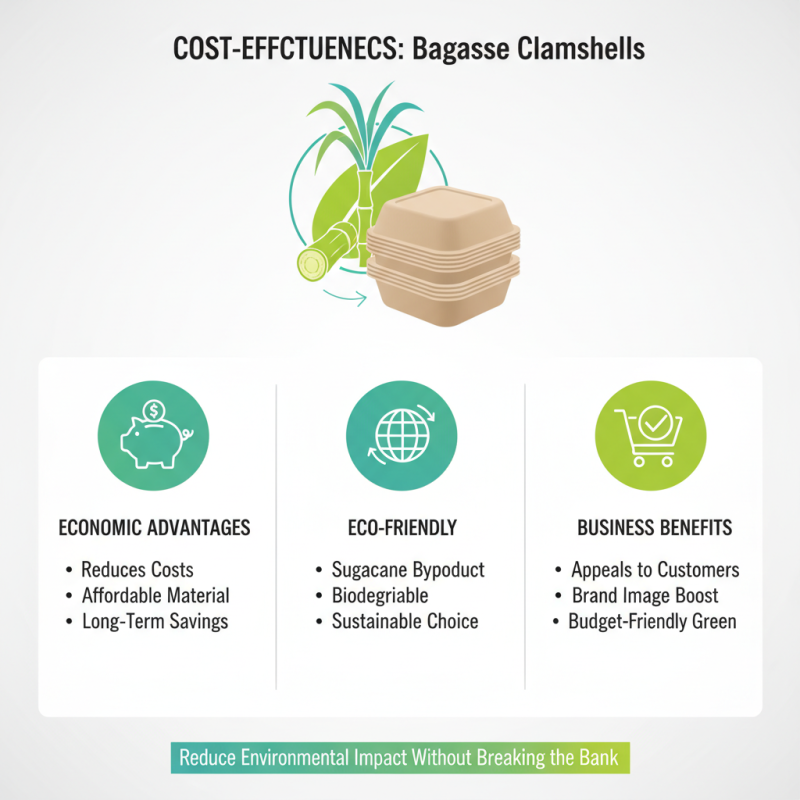
When considering eco-friendly packaging options, bagasse clamshells stand out. These containers are made from sugarcane byproducts, making them a sustainable choice. They are not only biodegradable but also cost-effective. This makes them appealing for businesses looking to reduce their environmental impact without breaking the bank.
Using bagasse clamshells can lead to significant savings. They are lightweight, which reduces shipping costs. Additionally, they require less energy to produce compared to plastic alternatives. This translates into lower manufacturing costs and can positively impact profit margins. Businesses can also attract eco-conscious consumers who prefer sustainable options.
Tips for choosing the right bagasse clamshell: Evaluate your product’s compatibility with the material. Some dishes may require additional moisture barriers. Also, think about the design. A well-designed clamshell can enhance the presentation of your food while remaining eco-friendly. Consider incorporating your brand's values into the packaging to resonate with your target audience.