2026 Top Trends in Eco Friendly Packaging You Need to Know?
As the demand for sustainable solutions rises, Eco Friendly Packaging has become a pivotal focus within the packaging industry. Experts like Dr. Emily Green, a noted consultant in sustainable packaging, highlight the urgency of adopting eco-friendly materials. She states, “Innovative packaging must prioritize environmental health while fulfilling consumer needs.”
This insight reflects the evolving landscape where brands are rethinking their packaging strategies. The push for Eco Friendly Packaging is not merely a trend; it signifies a critical shift towards sustainability. Recent studies show that consumers increasingly favor brands committed to reducing their environmental impact.
However, transitioning to Eco Friendly Packaging presents challenges. Many companies struggle to find the right materials that balance cost and environmental benefits. Furthermore, the recycling infrastructure in many regions is still inadequate. As we explore the top trends for 2026, it becomes clear that the future of packaging hinges on innovative, sustainable practices that align with both consumer expectations and environmental responsibilities.
Innovative Biodegradable Materials: Revolutionizing Eco-Friendly Packaging
The packaging industry is evolving rapidly. Innovative biodegradable materials are at the forefront of this change. As consumers become more eco-conscious, brands are seeking sustainable solutions. According to a 2022 report by Smithers, the global biodegradable packaging market is projected to grow from $4.6 billion to $10 billion by 2027. This shift highlights a clear demand for eco-friendly options.
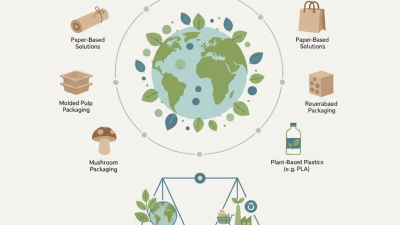
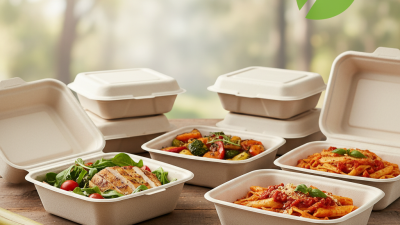
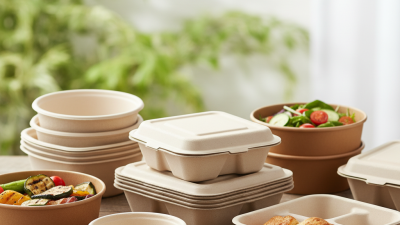
Materials like polylactic acid (PLA) and mushroom-based packaging are gaining traction. PLA is made from renewable resources, offering a compostable alternative to traditional plastics. Meanwhile, mushroom packaging is produced from agricultural waste, providing a unique and sustainable solution. Yet, challenges remain. The composting process can be mismanaged, leading to inefficiencies in waste disposal. Furthermore, not all biodegradable options break down effectively in landfills.
The innovation potential in biodegradable materials is substantial. Research shows that nearly 60% of consumers consider packaging sustainability important. Brands must navigate the balance between eco-friendly choices and cost. The long-term viability of biodegradable materials in mainstream packaging is still uncertain. Continuous advancements will determine their place in the market.
2026 Top Trends in Eco Friendly Packaging You Need to Know
| Trend |
Description |
Material Type |
Environmental Impact |
| Plant-Based Packaging |
Packaging made from renewable plant materials, offering a sustainable alternative to traditional plastics. |
Bioplastics, Starch-based materials |
Reduced carbon footprint, less plastic waste |
| Mushroom Packaging |
Innovative packaging made from mycelium, the root structure of mushrooms, which can be composted at home. |
Mycelium-based materials |
Fully biodegradable, zero plastic pollution |
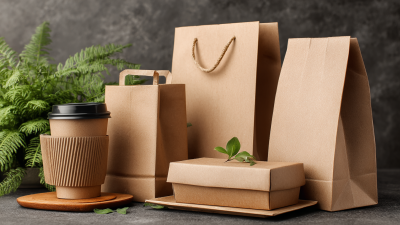
| Recycled Paper Products |
Using 100% recycled paper as an alternative to new paper, promoting circular economy practices. |
Recycled paper |
Reduces deforestation, decreases waste in landfills |
| Edible Packaging |
Packaging that is safe and nutritious to consume, reducing waste after use. |
Food-grade materials |
Eliminates packaging waste, promotes sustainability |
| Compostable Plastics |
Plastics that can break down in composting environments, leaving no toxic residue. |
PLA (Polylactic Acid), PHA (Polyhydroxyalkanoates) |
Decreases landfill waste, provides nutrient-rich compost |
The Rise of Minimalist Packaging: Effectiveness and Sustainability
The trend of minimalist packaging is growing rapidly. Brands are shifting towards designs that are not only effective but also environmentally friendly. This approach reduces material use and enhances sustainability. Minimalist packaging often eliminates excess decoration and focuses on simple, clear messaging. This can resonate better with consumers seeking authenticity.
Tips for adopting minimalist packaging: Choose materials that are recyclable or compostable. Use bold typography to convey your message clearly. Consider neutral colors to reduce ink usage. These choices not only appeal to eco-conscious consumers but also create a lasting impression.
However, there are challenges in this transition. Brands must balance aesthetics with functionality. Some may worry that less packaging could compromise product protection. Reflecting on packaging choices can lead to innovative solutions that marry beauty with eco-friendliness. Embracing minimalist design often requires experimentation and adaptation. Understanding customer preferences is crucial for success.
Consumer Demand for Recyclable Packaging: Statistics and Trends in 2026
Consumer demand for recyclable packaging is climbing rapidly. A recent study by the Packaging Association highlights that 74% of consumers are willing to pay more for sustainable packaging. This trend signifies a shift in consumer values, where eco-friendly practices resonate deeply. In 2026, the adoption of recyclable materials is projected to increase by 35%. This statistic reflects an urgent need for businesses to prioritize sustainability.
Data from the Environmental Protection Agency shows that only 20% of plastic packaging is currently recycled in the U.S. This failure is alarming. As awareness grows, many consumers feel disillusioned by unfulfilled promises in the industry. Engaging packaging marked as recyclable is vital, yet many brands still have significant room for improvement. It’s crucial for companies to innovate and educate regarding their materials' lifecycle.
Additionally, the demand for clarity is crucial. A sizable 63% of consumers expressed confusion about recycling symbols and guidelines. Clear labeling can bridge this gap. Embracing transparent communication about packaging's sustainability is essential for building consumer trust. As brands strive to meet these new expectations, they must reflect on their practices and adapt accordingly.
Impact of Regulations on Eco-Friendly Packaging Solutions: A Global Overview
The landscape of eco-friendly packaging is rapidly changing. Regulations worldwide are shaping how businesses approach sustainability. In Europe, stricter guidelines are promoting the use of biodegradable materials. These rules aim to reduce plastic waste drastically. Companies must adapt or face penalties. This can be a challenge for smaller businesses with limited resources.
North America is also seeing shifts. Many states are implementing bans on single-use plastics. This creates urgency for brands to find viable alternatives. However, not all materials work for every product. Some alternatives may not perform well in preserving freshness. Identifying the right balance between sustainability and functionality is crucial.
In Asia, regulations vary significantly across countries. Certain regions are pushing for recyclability, while others focus on reducing carbon footprints. This inconsistency can confuse manufacturers. They must navigate a complex web of rules. Adapting to this environment requires ongoing education and resource investment. Many companies struggle to meet these demands, reflecting the challenges of today's eco-conscious market.
Emerging Technologies in Packaging Design: Enhancing Sustainability Solutions
In the quest for sustainability, emerging technologies are reshaping packaging design. A recent report from Smithers states that the global sustainable packaging market will reach $1 trillion by 2027. This surge highlights the growing need for eco-friendly materials and innovative designs. Companies are now prioritizing biodegradable, recyclable, and reusable options.
One notable advancement is the use of plant-based materials. Research indicates that these materials can reduce carbon footprints by up to 30%. Additionally, smart packaging technologies, such as QR codes, enhance user engagement while minimizing waste. However, the challenge remains in balancing cost and effective sustainability.
Transitioning to sustainable solutions does not come without challenges. End-of-life management for new materials can complicate recycling processes. Not all innovations are universally effective; some require extensive infrastructure support, which is often lacking. The path forward needs critical assessment of these technologies to ensure they deliver on sustainability promises without unintended consequences.
2026 Eco Friendly Packaging Trends
This chart illustrates the growing interest in various eco-friendly packaging trends for 2026, highlighting biodegradable materials, recycled content, minimalist packaging, reusable solutions, and plant-based plastics as key focus areas for sustainability in packaging design.