China Best Paper Lunch Boxes Wholesale Suppliers
Choosing a wholesale supplier is not just a price comparison. Buyers need to check material specifications, box dimensions, closure strength, and print consistency. A sample can reveal details a catalogue misses: a loose tuck tab, thin corners, or ink that rubs off after handling. Small flaws matter.
Packaging educator Walter Soroka’s work offers a useful principle: packaging must balance protection, performance, and cost. The following sentence is an editorial paraphrase, not a verified quotation: “A good lunch box protects the meal and fits the way people serve it.” That distinction matters when supplier claims sound polished but lack evidence.
For Paper Lunch Boxes, ask suppliers for material details and clear product specifications. Confirm whether the box suits the intended food, serving time, and transport conditions. Request samples from the same production process used for bulk orders, then inspect their folds and closures. Check how artwork will appear on the actual surface. Ask how quality checks are recorded, and how defects are handled. Details count.
A dependable supplier should answer plainly and provide information buyers can verify. Compare lead times, minimum order quantities, customization options, and sample results before committing. Sustainability claims deserve careful review, too; ask what a claim covers instead of relying on a broad label. No supplier is perfect. A sample may still miss real service conditions, so test it with the meal and workflow you expect. That practical check can prevent costly surprises.
China’s paper lunch box wholesale market is shaped by food-service demand, packaging capacity, and buyers’ practical requirements. The National Bureau of Statistics reported catering revenue of RMB 5.29 trillion in 2023, up 20.4% year over year. This signals a large food-service sector, but it does not measure lunch-box purchases directly.
Scale matters.
China Packaging Federation’s 2023 industry statistics put packaging-sector operating revenue at about RMB 1.15 trillion across eight major subsectors. For wholesale buyers, that broad figure offers useful context, not a supplier ranking. Compare factories by sample consistency, production capacity, minimum order quantity, and delivery records. Ask for samples filled with hot, oily food; inspect the seams, lid fit, and grease barrier after 30 minutes. Small details travel.
A limitation remains: public reports rarely isolate paper lunch boxes from wider packaging categories. Treat supplier claims about market share cautiously. Request food-contact test documentation, material specifications, and quotations that separate unit price from printing, tooling, and freight. Check whether the quoted box dimensions match your portion size; a few millimeters can affect stacking and leakage. Paper quality can vary between batches. Verify it before committing to a large order.
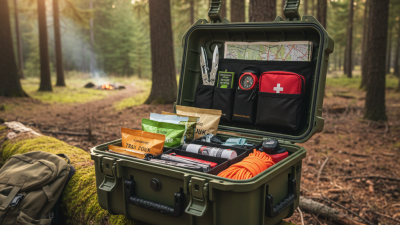
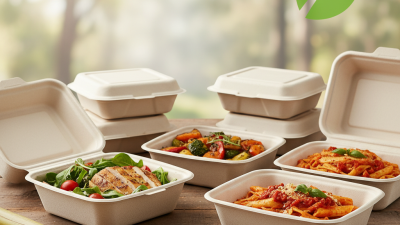
Paper lunch boxes come in several shapes, each suited to a different meal. Folding cartons work well for sandwiches, pastries, and dry snacks. Clamshell boxes open easily and hold burgers or rice meals in one container. Open trays suit fries and bakery items, while taller paper boxes can hold noodles or salads. Check the base width and depth against the actual portion; a container that looks roomy may feel cramped once food is packed.
Common materials include kraft paperboard, white paperboard, and coated paperboard. Kraft has a natural brown finish and a firm feel. White board offers a clean surface for printing. A food-contact coating can help resist oil or moisture, but coating types vary. Ask suppliers for material specifications and samples, then check how the box handles warm, greasy food. A sturdy-looking box can still soften at the corners. I learned that dimensions on a sheet do not always show how a box feels in hand.
Tips: Test a filled sample for leaks, lid fit, and stacking stability. Compare thickness, not just appearance. If meals are saucy, confirm that the chosen material is suitable for that use.
| Lunch Box Type | Common Paper Material | Typical Construction | Suitable Foods | Barrier Considerations | Wholesale Buying Checks |
|---|---|---|---|---|---|
| Foldable clamshell box | Kraft paperboard or white food-grade paperboard | One-piece box with a hinged lid and tuck-in or tab closure | Sandwiches, burgers, bakery items, and dry or lightly sauced meals | Grease-resistant treatment may help with oily foods. A paperboard box is not automatically leakproof. | Check board weight, closure strength, grease resistance, and food-contact documentation. |
| Paper meal tray with lid | Kraft or white paperboard; sometimes corrugated paperboard for added rigidity | Open-top tray paired with a paperboard or clear lid | Rice meals, salads, deli foods, and compartmented meals | Coatings or a separate lining may be needed for moist, oily, or sauced foods. Lid fit should be tested with the intended meal. | Confirm tray dimensions, lid compatibility, stackability, and whether compartments are required. |
| Paperboard folding carton | Folding boxboard, kraft paperboard, or coated paperboard | Die-cut flat blank assembled into a rectangular box with folding flaps | Wraps, pastries, snacks, and dry takeaway meals | Unlined paperboard is best suited to drier foods; wet or greasy foods may require a food-contact barrier. | Ask about flat-blank shipping, assembly method, print suitability, and the food-contact side of the board. |
| Noodle or takeaway box | Foldable paperboard, often kraft or white, with a suitable interior barrier | Tapered or rectangular folded box, commonly closed with a top flap | Noodles, rice, stir-fried dishes, and other takeaway portions | Sauces and hot, moist foods can challenge paper packaging; verify leak resistance under actual use conditions. | Compare usable capacity, opening width, base stability, and performance with hot food. |
| Corrugated paperboard lunch box | Corrugated board with paper liners; food-contact liner may be specified | Fluted middle layer between flat paper liners for greater stiffness | Larger meals, meal kits, and foods needing extra structural support | The fluted structure adds strength but does not itself provide a liquid or grease barrier. | Check flute profile, crush resistance, box weight, and whether the inner surface is suitable for direct food contact. |
| Paperboard box with separate compartments | Kraft or white paperboard, with folded dividers or a molded-fiber insert | Multi-section layout designed to keep different foods apart | Combination meals, side dishes, and foods with different textures | Compartments help separate foods but may not prevent liquid transfer unless specifically designed and tested for it. | Confirm compartment sizes, insert fit, lid clearance, and resistance to movement during delivery. |
Material note: Paper lunch boxes may use uncoated paperboard or a barrier such as polyethylene, an aqueous coating, or a bioplastic coating. Recyclability and compostability depend on the complete package, local collection systems, and applicable certification; verify these claims for the specific product and market.
When evaluating China-based paper lunch box suppliers, request production samples, not only showroom pieces. Check board weight, food-contact coating, lid fit, seam strength, and grease resistance. A practical test: fill a box with hot, oily food, then inspect it after 30 minutes. Small details matter. I would not judge a factory from one polished sample alone; ask for samples from a regular production run.
Compare measurable quality controls, monthly capacity, minimum order quantity, lead time, and packaging specifications. Ask how the supplier traces paper grades and handles rejected batches. Request test records and clear material descriptions before approving custom printing. McKinsey’s 2023 US consumer survey reported that over 60% of respondents would pay more for sustainable packaging. Treat that as a consumer signal, not proof that every buyer will pay a premium.
Check environmental claims carefully. The US EPA reported a 68.2% recycling rate for paper and paperboard in 2018, but that figure covers the material category—not lunch boxes specifically. Food residue and local collection systems can affect recycling outcomes. Ask suppliers to support claims with relevant test documents. One quotation may look cheaper. Compare landed cost, defect allowance, and replacement terms too. Some details are easy to miss.
Paper lunch boxes look simple, but wholesale buyers should check more than shape and price. Ask suppliers for the paper weight, coating type, usable capacity, and temperature limits. Food-contact documentation should match the intended market and product use. Review the actual reports, not just a printed claim. Small differences matter. A box holding warm noodles may soften at the corners if its lining or seams are poorly suited to moisture. Request samples and test them with the foods you plan to pack.
Customization can cover dimensions, compartments, printing, and carton quantities. Share a clear dieline or reference sample, then approve a production sample before ordering in bulk. Check that lids close without pressure and stacks remain stable during handling. Quality checks should include visual inspection, leak testing, and measurements from multiple boxes in a batch. Ask how defects are recorded and what happens when a shipment falls outside agreed specifications. Even a careful process can miss something; that is worth admitting. Keep approved samples and inspection notes, so future orders can be compared against real evidence.
When sourcing paper lunch boxes wholesale, compare more than the quoted unit price. Confirm box dimensions, paper weight, coating, print colors, and whether lids are included. Ask for a production sample and test it with the foods you plan to pack. A greasy rice dish may behave differently from a dry sandwich. Check that the supplier can provide food-contact documents relevant to your destination market. Details vary. Get specifications and promised lead times in writing, including approval time for printed artwork.
Shipping can change the real cost of an order. Request carton dimensions, units per carton, gross weight, and pallet details before booking freight. These figures help you estimate storage needs and compare shipping quotes. Ask how cartons are protected from moisture during transit; damp packaging can arrive creased or weakened. Confirm the shipping term, dispatch date, and who handles export paperwork. Import duties and product requirements depend on the destination, so verify classification and documentation with a qualified customs professional before payment. I have seen buyers focus too much on the box price and overlook freight volume. That is an easy mistake.
Tips: Order a small sample batch first. Check carton labels, count units, and inspect the boxes after a few days of storage. Keep a little schedule buffer; production estimates can slip.