Why Choose Bagasse Burger Boxes for Eco-Friendly Packaging?
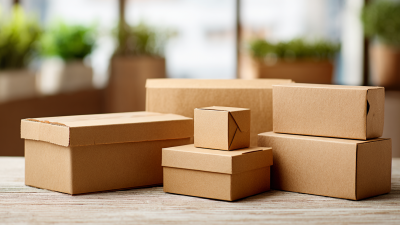
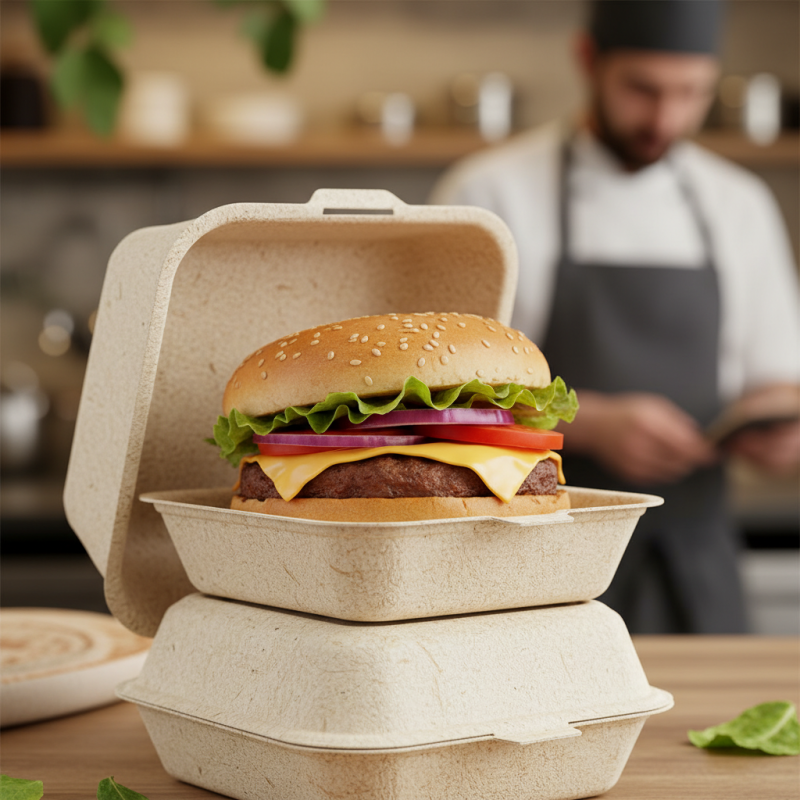
In today's world, eco-friendly packaging is becoming crucial. The "Bagasse Burger Box" is an innovative solution made from sugarcane byproducts. This material is biodegradable and offers a sustainable alternative to plastic. Mark Thompson, an industry expert and sustainability advocate, states, "Using Bagasse Burger Boxes can easily reduce waste and contribute positively to the environment."
Many restaurants are shifting to Bagasse Burger Boxes. They provide the durability needed for hot and cold foods. These boxes not only preserve food quality but also showcase a brand’s commitment to sustainability. However, some challenges exist. As businesses transition, they may face higher initial costs. The long-term benefits, however, often outweigh these concerns, as consumers increasingly favor eco-conscious options.
While adopting Bagasse Burger Boxes, it's vital for businesses to communicate their efforts effectively. Transparency in sourcing and production helps build trust. It’s not a perfect solution, but every step toward sustainability counts. Like any new initiative, refining processes is necessary for optimal results. The Bagasse Burger Box symbolizes not just a product, but a movement toward thoughtful choices in packaging.
The Environmental Impact of Traditional Packaging Materials
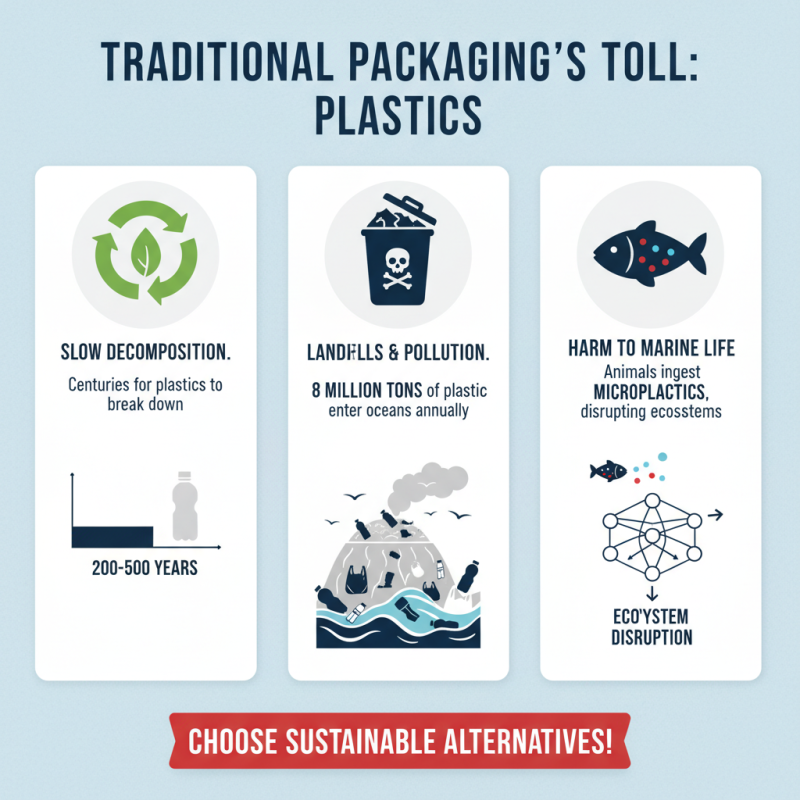
Traditional packaging materials have a significant environmental impact. Plastics are among the main culprits. They take centuries to decompose. This creates landfill overflow and pollution. Each year, millions of tons of plastic enter oceans. Marine life suffers as a result. Studies show that animals ingest microplastics, disrupting ecosystems. The slow degradation process of plastics harms the earth.
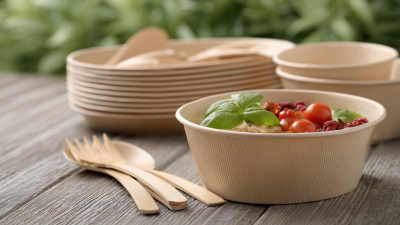
Paper, while more biodegradable, has its drawbacks. Deforestation for paper production leads to habitat loss. The process also consumes a lot of water. Production emits greenhouse gases. Alternative materials like bagasse present a viable solution. Bagasse, a byproduct of sugarcane, is compostable and renewable. It reduces the need for traditional materials. Using bagasse burger boxes can mitigate some environmental damage. They decompose in months instead of centuries. Transitioning to such materials can promote sustainability in food service packaging.
Not all eco-friendly options are perfect. The production of bagasse requires resources too. Awareness about sourcing matters. Consumers should seek reliable suppliers. Knowledge about materials guides smarter choices. Balancing eco-concerns with practicality is essential. Perfect solutions may not exist, but progress is possible.
Statistics on Plastic Waste and Its Effects on the Ecosystem
Plastic waste is a growing concern for our planet. Statistics show that over 300 million tons of plastic are produced each year. A significant portion of this ends up in oceans and forests. This pollution impacts wildlife and disrupts ecosystems. Marine animals often mistake plastic for food, leading to fatal consequences. The statistics reveal the harsh reality: a staggering 1 million marine creatures die each year due to plastic debris.
Switching to eco-friendly alternatives like bagasse burger boxes can be a game-changer. Bagasse is made from sugarcane pulp, making it biodegradable and compostable. It decomposes naturally within months, unlike plastic, which can take hundreds of years. This shift not only reduces landfill contributions but also minimizes pollution in our waterways.
Tips for reducing plastic waste: Consider using reusable bags and containers for your groceries. Start a compost bin for organic waste to divert materials from landfills. Educate others in your community about the importance of sustainable packaging. Every small step counts towards a healthier planet. A conscious choice today can lead to a cleaner environment tomorrow.
Bagasse as a Sustainable Alternative: Key Properties and Benefits
Bagasse, derived from sugarcane, is emerging as a preferred choice for eco-friendly packaging. Its sustainable properties make it an attractive option for various industries, including food services. Bagasse is biodegradable and compostable, reducing landfill waste. Unlike plastic, it breaks down naturally over time. This characteristic aligns with the growing emphasis on environmental responsibility.
Using bagasse burger boxes offers numerous benefits. The material is
sturdy and resistant to oil and moisture, which is essential for food packaging. They provide excellent insulation, keeping burgers warm and fresh. Additionally, bagasse boxes can withstand high temperatures, making them suitable for hot meals. With these qualities, businesses can enhance their packaging while contributing to a
greener planet.
Tips: When choosing bagasse boxes, ensure they are sourced from certified suppliers. This guarantees the sustainability of the materials. Consider the design and aesthetics of the packaging. A visually appealing box can enhance customer experience. Always communicate the eco-friendly message to customers.
Transparency builds trust in your brand.
Market Trends: Growth of Eco-Friendly Packaging in the Food Industry
The food industry is experiencing significant shifts toward eco-friendly packaging. According to a report by MarketsandMarkets, the global eco-friendly packaging market is projected to reach $500 billion by 2027. This growth is driven by consumer demand for sustainable options. More than 70% of consumers are willing to pay extra for eco-friendly products.
Amidst rising plastic pollution, businesses face pressure to adapt. Traditional packaging often contributes to waste.
Bagasse burger boxes, made from sugarcane pulp, provide an excellent alternative. They are biodegradable and compostable, catering to environmentally conscious consumers. These boxes can withstand high temperatures, making them ideal for hot food items.
Adopting bagasse boxes may seem beneficial, yet challenges exist. Sourcing raw materials can impact production costs. Additionally, not all businesses have the infrastructure to manage compostable waste properly. Despite these hurdles, the growing awareness of sustainability keeps pushing the trend forward. Making informed choices about packaging can shape a greener future for the food industry.
Regulatory Support and Consumer Demand for Sustainable Solutions
Consumers are increasingly seeking sustainable solutions. This shift drives
demand for eco-friendly packaging options, such as bagasse burger boxes. Regulatory bodies support these choices,
incentivizing businesses to adopt greener practices. This alignment benefits both the environment and companies with a forward-thinking approach.
Using bagasse for packaging promotes waste reduction. Made from sugarcane pulp, these boxes are biodegradable
and compostable. With the right certifications, businesses can showcase their commitment to sustainability, enhancing brand image. However, some may find
the transition challenging. Sourcing reliable suppliers and adjusting production methods can pose hurdles.
Tips: Regularly assess your supply chain for eco-friendly options. Training staff on sustainable practices
can improve efficiency. Keep an eye on emerging regulations to stay ahead of compliance requirements. This proactive approach can turn potential challenges
into opportunities for growth.