2026 How to Choose the Best Wooden Spoons for Your Kitchen?
When it comes to kitchen utensils, The Wooden Spoons hold a special place. They seamlessly blend functionality with a charming aesthetic. Their natural materials make them a favorite in many kitchens. However, choosing the right wooden spoon is not always straightforward.
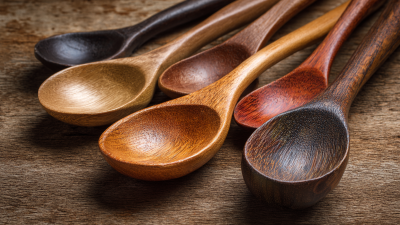
Different types of wood offer various benefits. For instance, bamboo is lightweight yet durable, while cherry wood boasts a rich color and smooth finish. You may be tempted by a beautiful design, but practicality should guide your choice. Consider the spoon's shape and size for your cooking needs. A spoon that feels good in your hand will enhance your experience.
Also, think about maintenance. Wooden spoons require proper care to last. Some people overlook this, leading to premature wear. It’s essential to wash them gently and store them correctly. All these factors contribute to selecting the best wooden spoon for your kitchen. Engaging with The Wooden Spoons thoughtfully can elevate your cooking journey.
Understanding the Benefits of Wooden Spoons in Culinary Practices
Wooden spoons have long been favored in culinary practices for many reasons. They are gentle on cookware, preventing scratches that metal utensils can cause. Research indicates that wooden utensils can reduce the risk of harmful bacteria transfer. A study showed that wood possesses natural antimicrobial properties, making wooden spoons a safer choice for food preparation.
Moreover, wooden spoons are excellent heat insulators. They do not conduct heat like metal, ensuring you won’t burn your hands during cooking. According to data from the Culinary Institute, using wooden utensils can enhance flavor by not imparting any metallic taste to dishes. This is especially significant when preparing delicate sauces or soups that rely on subtle flavor profiles.
Tips:
When selecting wooden spoons, look for pieces made from hardwood like maple or beech. These types are durable and less porous, which helps resist bacteria. Avoid overly polished spoons; they can be coated with chemicals that aren’t ideal for food. Remember that while wooden spoons have advantages, they require proper care—like hand-washing to avoid warping. Kitchen tools need maintenance, and wooden spoons are no different.
Key Materials Used in Wooden Spoons: Types of Wood and Their Properties
When choosing wooden spoons for your kitchen, the type of wood significantly affects their performance. Different woods have unique properties that can influence durability, usability, and flavor. For instance, maple is a popular choice due to its hardness and non-porous nature. It resists stains and odors, making it great for various cooking tasks. Beechwood is another excellent option, known for its strength and resistance to warping. Both woods are ideal for stirring hot pots or mixing batter.
While selecting wood types, consider your cooking habits. Walnut has an appealing aesthetic but is softer. It can absorb flavors, which may lead to unwanted tastes. Bamboo is lightweight and eco-friendly, though it can splinter if not maintained properly. If you want longevity, look for spoons made from hardwoods that endure daily use.
**Tips:** Always hand wash wooden spoons to preserve their finish. Avoid soaking them in water. Oil them regularly to keep them from drying out. Also, consider the grain of the wood; a finer grain often feels smoother. Each wooden spoon has its story. Reflect on the care they require. Imperfections in craftsmanship can sometimes indicate a handcrafted touch that adds character.
2026 How to Choose the Best Wooden Spoons for Your Kitchen? - Key Materials Used in Wooden Spoons: Types of Wood and Their Properties
| Type of Wood |
Hardness |
Durability |
Resistance to Stains |
Best Uses |
| Maple |
Hard |
High |
Moderate |
General cooking and serving |
| Cherry |
Medium |
High |
High |
Serving spoon and mixing |
| Bamboo |
Medium |
Moderate |
High |
Cooking and eco-friendly options |
| Walnut |
Hard |
High |
Moderate |
Serving and specialty tools |
| Teak |
Hard |
Very High |
Very High |
Outdoor cooking and long-lasting use |
Evaluating Spoon Design: Size, Shape, and Handle Comfort for Cooking
When choosing wooden spoons, design elements matter significantly.
Size is crucial. A spoon that is too large might not scrape the bottom of your pots. A smaller spoon may be perfect for stirring but inadequate for serving. Consider how you cook. Do you often whip up large batches or prefer individual servings? Select sizes accordingly.
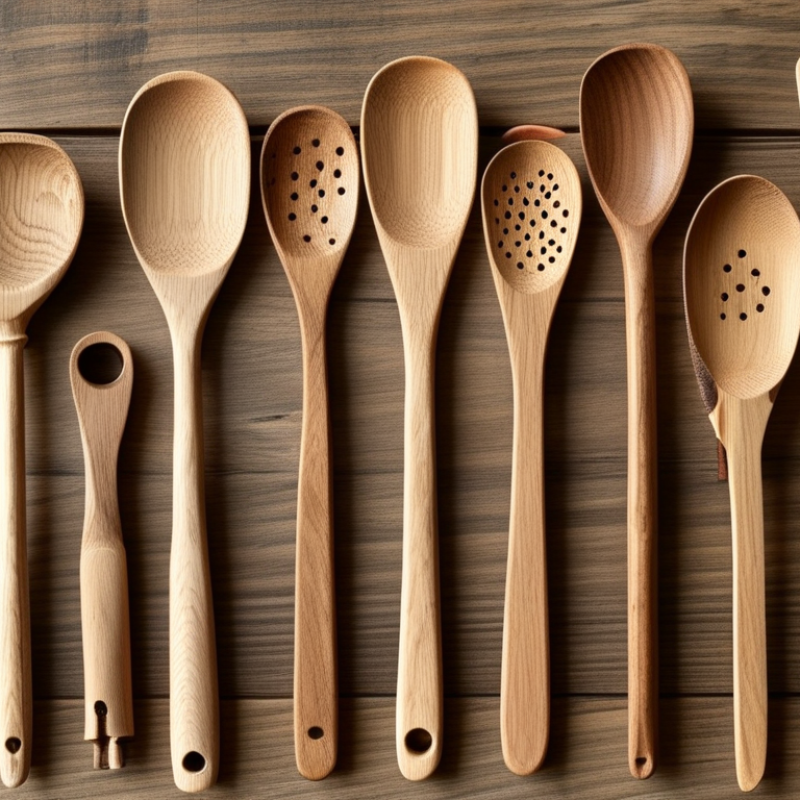
Shape influences functionality. A curved spoon can help you reach corners and prevent food from getting stuck. Meanwhile, flat-edged spoons are ideal for flipping and serving. It’s essential to evaluate what you will use the spoon for most often. Choosing the right shape can elevate your cooking experience and enhance food preparation.
Handle comfort is another key aspect. A thick handle may offer a secure grip, while a thinner handle can be easier to maneuver. Experiment with various shapes to find what feels right. Fingers should fit comfortably, allowing for smooth stirring motions.
Tips: Test the spoons in your hands before buying. Pay attention to how each type feels while holding. Make sure the weight is manageable during prolonged use. Think about how often you cook. Are you using spoons frequently enough to warrant the investment? Reflection on these aspects can lead to a thoughtful choice that fits your cooking lifestyle.
Maintenance and Care: Extending the Lifespan of Wooden Kitchen Utensils
Wooden kitchen utensils require special care. To extend their lifespan, it's crucial to clean them properly.
After each use, rinse wooden spoons with warm water. Avoid soaking them in water for long periods, as this can cause warping.
Dry your wooden utensils immediately. Use a clean towel to wipe them down gently. Store them in a dry place, away from direct sunlight.
This environment helps prevent cracking and fading. Occasionally, apply mineral oil.
This keeps the wood hydrated and enhances its natural beauty.
Be mindful of scratches and dents. Over time, these imperfections can harbor bacteria.
Consider sanding down rough areas gently. It’s a process, but a worthwhile one. With consistent care, wooden utensils can last many years.
Reflect on your cleaning habits and adjust as needed for better longevity.
Selecting Safe and Sustainable Wooden Spoons for Eco-Conscious Kitchens
When selecting wooden spoons, consider their safety and sustainability. Eco-conscious consumers prioritize materials that are both functional and environmentally friendly. Research shows that untreated wood is often the safest option. It reduces the risk of chemical leaching during cooking.
Tips: Look for spoons made from hardwoods like maple or beech. These woods are durable and naturally resistant to bacteria. Avoid softwoods, as they can splinter easily.
Sourcing matters. Many manufacturers opt for sustainable harvesting practices. This ensures that the forests remain intact for future generations. Check for certifications, like the Forest Stewardship Council (FSC), which indicates responsible sourcing.
Additionally, consider the spoons' lifecycle. Wooden spoons can last years if treated well. Regular oiling with food-grade mineral oil can prevent cracking and prolong their life. Reflect on how your choices affect the environment. Investing in quality wooden spoons benefits both your kitchen and the planet.
Choosing the Best Wooden Spoons for Your Kitchen
This chart shows the comparison of different types of woods used in wooden spoons based on their hardness, weight, and sustainability ratings.