How to Choose the Best Disposable Plates for Every Occasion?
When selecting the best disposable plates, it’s essential to consider the occasion. According to Sarah L. Carter, a specialist in disposable tableware, “The right disposable plates can enhance any gathering.” This guidance prompts us to think carefully about our choices.
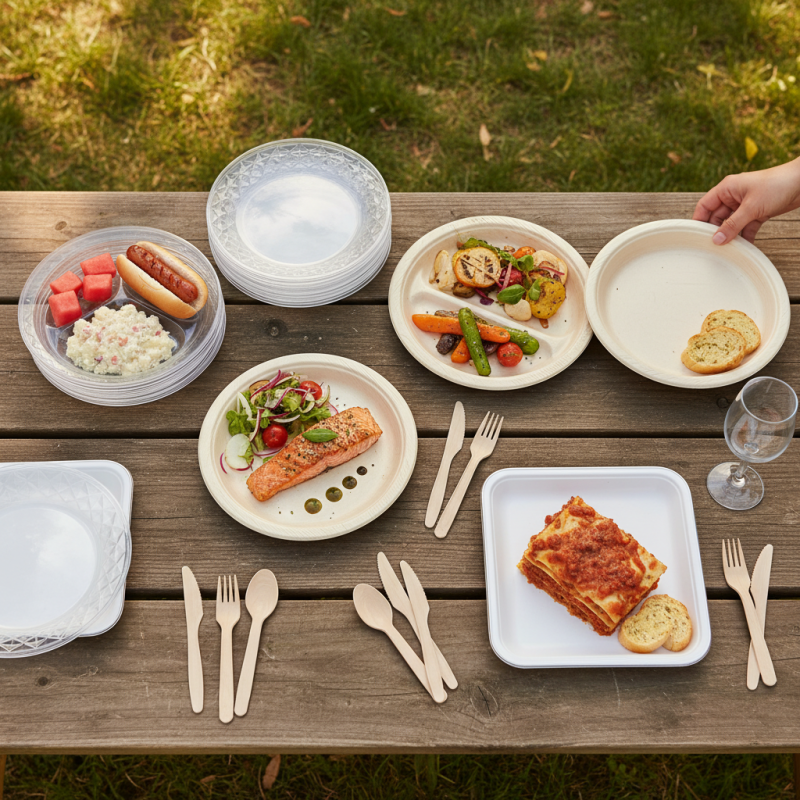
Disposable plates come in various materials, from plastic to compostable options. Each type serves a different purpose, impacting the environment and guest experience. For casual picnics, sturdy plastic versions may suffice, while elegant events call for classy, eco-friendly choices.
Yet, many overlook the nuances of design. Not all disposable plates are created equal. Some lack the durability to hold heavy foods, while others may not match the aesthetic of your event. Reflecting on these details is crucial. Choosing wisely allows you to enjoy the occasion without worrying about the aftermath of the clean-up.
Understanding the Different Types of Disposable Plates Available
When planning an event, choosing the right disposable plates can make all the difference. There are various types available, each designed for specific purposes. Paper plates are lightweight and biodegradable. They are great for casual gatherings, such as picnics or birthday parties. However, they may not hold up well with heavy items. Consider how many people you will serve. Will the plates withstand your menu?
Plastic plates come in different styles, from flimsy to sturdy. A more robust style is suitable for formal events. Clear or elegant designs add a touch of sophistication. However, many plastic plates are not biodegradable, which raises environmental concerns. You might feel guilty when tossing them away. If you choose this option, think about recycling facilities in your area.
Ultimately, foam plates offer insulation and durability for hot foods. Yet, they raise issues regarding waste. Some people may view them as less environmentally friendly. Remember to weigh your options carefully. The right choice enhances your occasion and minimizes waste. Reflect on what matters most, both for your guests and the planet.
How to Choose the Best Disposable Plates for Every Occasion?
| Type of Disposable Plates |
Material |
Eco-Friendliness |
Best Occasions |
Price Range |
| Plastic Plates |
Polypropylene |
Not Biodegradable |
Picnics, BBQs |
$10 - $20 per pack |
| Paper Plates |
Recycled Paper |
Biodegradable |
Birthday Parties, Casual Events |
$5 - $15 per pack |
| Biodegradable Plates |
Bamboo, Sugarcane |
Highly Biodegradable |
Weddings, Formal Events |
$15 - $30 per pack |
| Foam Plates |
Polystyrene |
Not Recyclable |
Fast Food, Picnics |
$5 - $15 per pack |
| Compostable Plates |
PLA, Cornstarch |
Compostable |
Eco Events, Gatherings |
$20 - $40 per pack |
Assessing the Material Options: Plastic, Paper, and Bamboo
When choosing disposable plates, material plays a crucial role. Key options include plastic, paper, and bamboo. Each material has unique characteristics that suit different occasions. Plastic plates are durable and can handle heavier foods. However, they often end up in landfills and take hundreds of years to decompose. A 2022 report noted that around 40% of plastic waste comes from single-use products. This environmental impact raises questions about their long-term use.
Paper plates offer a biodegradable alternative. They are lightweight and convenient for picnics or casual gatherings. Despite this, many paper plates are treated with chemicals, making them less eco-friendly than expected. Research indicates that only about 30% of paper plates are made from recycled material. Thus, it's essential to check for certifications when buying.
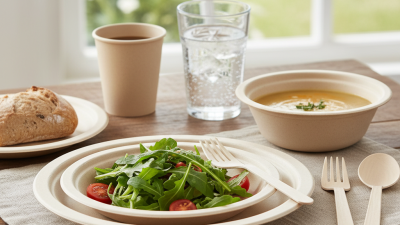
Bamboo plates are a rising star in disposable options. They are sturdy and compostable, breaking down naturally in about 90 days. However, bamboo products can be more expensive, and availability may vary. A study found that bamboo consumption has increased by 25% year over year, reflecting a shift towards sustainable solutions. Each material has its pros and cons, and reflecting on these can guide better choices for the planet.
Selecting the Right Size and Shape for Your Event Needs
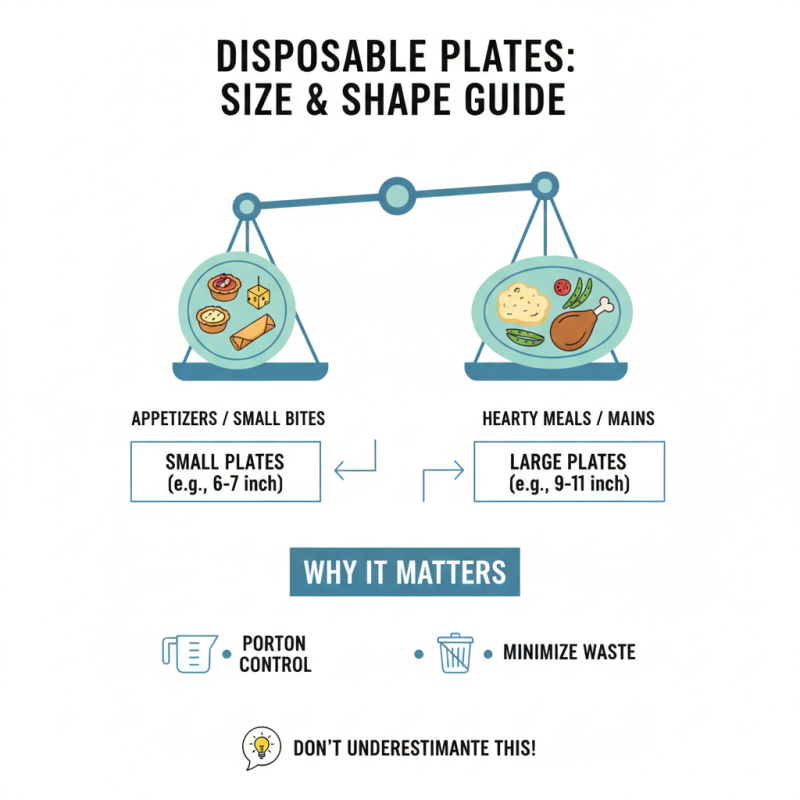
When selecting disposable plates for your event, size and shape are crucial. Consider the type of food you will serve. If you plan on serving appetizers, small plates work well. For hearty meals, larger plates are necessary. The right size ensures portion control and minimizes waste. It’s easy to underestimate this factor.
Shape is equally important. Round plates are classic, but square plates add a modern touch. The shape can influence the overall aesthetic of your event. It's good to think about how they stack and take up space. However, functionality should not take a backseat to style. Plates that wobble or are flimsy can ruin the dining experience.
Also, think about your guests. Do they need more space for side dishes? Or perhaps a compartmentalized design works better? Not everyone will take the same amount of food. Reflect on previous events where choices didn't align with needs. Finding the right balance can be tricky, but it’s worth the effort.
Determining the Appropriate Disposable Plates for Various Occasions
Choosing the right disposable plates for different occasions can be tricky. It often depends on the event type and the atmosphere you want to create. For casual picnics or outdoor gatherings, sturdy paper plates can work well. They’re lightweight and won’t break easily if dropped. However, they may not be the best choice for more formal events.
For a birthday party or a barbecue, colorful plastic plates add fun and vibrancy. Yet, they can be flimsy, so consider the food you plan to serve. Heavy items may cause these plates to bend or crack. On the other hand, compostable plates are a great eco-friendly option. They offer a nice touch and are perfect for buffet-style settings, even if they might get a bit soggy with moist foods.
A common mistake is overlooking the size of the plates. Smaller plates may not suffice for hearty meals, while oversized plates can waste space. Think about the portion sizes when selecting. It’s also important to consider how many guests you're expecting. Running out of plates can be awkward. Assess the occasion more carefully; ask yourself: how formal is it? Is it indoor or outdoor? The answers will guide you in making better choices.
Considering Environmental Impact and Recycling Options for Plates
When choosing disposable plates, considering their
environmental impact is essential. Many plates are made from plastic or
Styrofoam, which contribute to pollution. These materials take
hundreds of years to decompose. Look for alternatives that
are compostable or made from recycled materials. This choice helps
reduce waste and promotes sustainability.
Tip: Always check labels. Look for
certified compostable options. These plates break down in commercial composting facilities. You can also find plates made
from materials like bamboo or sugarcane. They have minimal environmental footprints.
Sometimes, the least eco-friendly options are cheaper. It's easy to choose the most affordable plates without thinking.
However, this short-term savings can hurt our planet. Reflect on
the long-term consequences of your choices. Investing in better options is a vital step for the environment.
Tip: Organize a recycling plan. If you use plastic plates,
research local recycling programs. Not all plastics are recyclable, so it's crucial to know which types your community
accepts.