How to Choose the Best Disposable Plates for Your Needs?
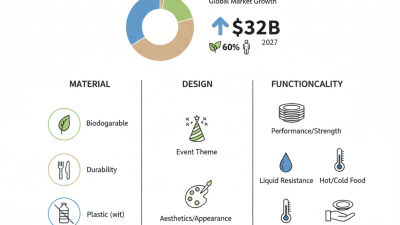
When it comes to hosting events or casual gatherings, choosing the right "Disposable Plates" can make a significant difference. According to recent market reports, the disposable dinnerware industry is projected to reach $12.6 billion by 2025. This growth indicates a rising trend in convenience and sustainability. Expert James Thorne notes, "The decision on disposable plates goes beyond just aesthetics; it reflects a growing need for practical solutions in our fast-paced lives."
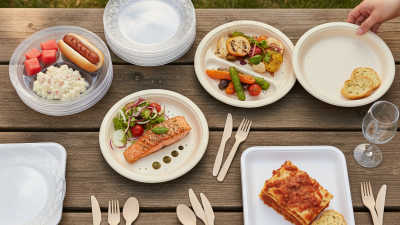
Selecting the best disposable plates requires an understanding of materials, sizes, and environmental impact. Not all disposable plates are created equal. For instance, plates made from sugarcane or bamboo offer better biodegradability than those made from plastic. However, these options may not be sturdy enough for heavy foods. Consumers often find themselves navigating between functionality and eco-friendliness.
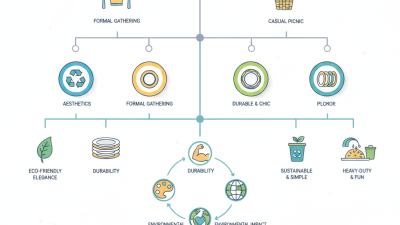
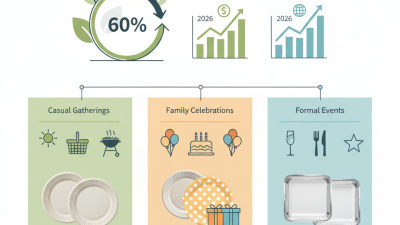
It's essential to consider your specific needs when selecting disposable plates. Are they for a formal occasion or a casual picnic? Reflecting on your requirements can help identify the most suitable options. While disposable plates provide convenience, they raise questions about waste and our environmental footprint. Therefore, exploring available alternatives is crucial for making informed choices.
Understanding Your Specific Needs for Disposable Plates
Choosing the best disposable plates begins with understanding your specific needs. Consider the occasion: outdoor events, picnics, or formal gatherings. Data shows that around 80% of people prefer disposable plates for convenience during large events. Think about the materials too. Eco-friendly options are gaining traction, with reports indicating a 150% increase in demand for biodegradable materials over the last five years.
Your needs might vary based on the type of food served. For heavier meals, sturdy plates are essential. If you’re serving liquids, ensure the plates can hold them without leaking. Research indicates that more than 60% of consumers have experienced issues with plate durability at critical moments. That’s a point worth reflecting on. What good is convenience if it leads to a mess?
Lastly, think about aesthetics. The appearance of disposable plates can enhance the dining experience. Statistics reveal that 70% of event planners now prioritize the design of disposable serveware. It's important to select plates that reflect the atmosphere you're trying to create, even if they’re not reusable. Your choices should align with both practicality and style for the best outcome.
Comparing Materials: Plastic, Paper, and Biodegradable Options
When choosing disposable plates, material matters.
Plastic plates are durable and resistant to moisture. They are great for heavier foods. However, they are not eco-friendly.
Many people hesitate to use plastic due to environmental concerns. This brings us to paper plates, made from renewable resources. They are lightweight and compostable, making them a popular choice for casual gatherings. But remember, not all paper plates are waterproof.
Some might sag under wet or greasy foods.
Biodegradable options offer an alternative to traditional materials. Made from plant-based substances, they break down naturally. They can sustain a decent amount of weight and are often microwave-safe.
Yet, the performance varies by brand. Some may not hold up well against heat or moisture. It’s crucial to research before opting for these greener alternatives. Each material presents pros and cons.
Think about your specific needs, venue, and waste management practices when making a selection.
Evaluating Size and Shape for Different Occasions
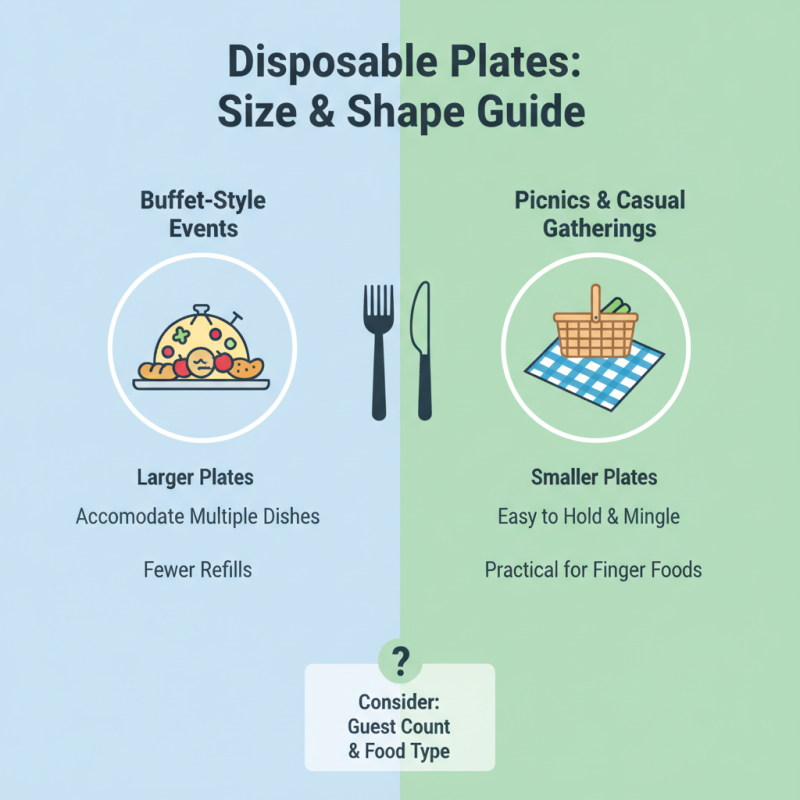
When choosing disposable plates, size and shape are crucial for various occasions. Assess the number of guests and the type of food served. For buffet-style events, larger plates can help accommodate different dishes. If you're hosting a picnic, a slightly smaller plate may be more practical, allowing guests to mingle easily.
Shapes also matter. Round plates are versatile for most meals. Square plates, however, may lend a modern touch to your event. Consider using compartment plates for children or messy foods, ensuring ease of serving and less hassle.
**Tip:** Think about your menu when selecting plate sizes. Will there be large items like burgers or salads? Choose bigger plates to avoid overcrowding.
Don't overlook reuse potential. With eco-friendly options available, some plates can be reused for different occasions. Think about how you can balance style and functionality in your selection. Each event has unique needs; find the right fit for yours.
Assessing Durability and Heat Resistance for Food Types
When selecting disposable plates, durability and heat resistance are crucial factors. A report by the Foodservice Packaging Institute states that 85% of food-related incidents occur due to plate failures. Plates need to withstand different food types, especially hot or greasy meals. For instance, plates made from polystyrene can typically handle temperatures up to 200°F. However, they may not offer the best strength for heavier foods or extensive heat exposure.
Heat resistance alone isn't sufficient. Durability plays another significant role. Many disposable plates crack under pressure when holding heavy food items. A study found that plates made from bagasse, a sugarcane byproduct, are not only eco-friendly but also outperform traditional plastic in durability tests. They can withstand temperatures above 220°F without bending or breaking. Watch for features such as thicker rims or structural reinforcements, which indicate better durability.
Evaluating the materials used in disposable plates is essential. Some plates are marketed as microwave-safe but may still warp at high temperatures. This discrepancy leads to frustration during events or parties. Understanding the specific needs of your food offerings helps choose the right product. Be wary of over-promised features. Always test a plate’s durability with your intended food types before fully committing.
How to Choose the Best Disposable Plates for Your Needs? - Assessing Durability and Heat Resistance for Food Types
| Plate Material |
Durability (1-10) |
Heat Resistance (°C) |
Best For |
| Plastic |
6 |
70 |
Cold salads, Snacks |
| Biodegradable |
8 |
90 |
Hot foods, Soups |
| PS (Polystyrene) |
7 |
60 |
Fast foods, Desserts |
| Paper |
5 |
50 |
Snacks, Finger foods |
| Cornstarch |
9 |
100 |
All types of foods |
Considering Environmental Impact and Recycling Options
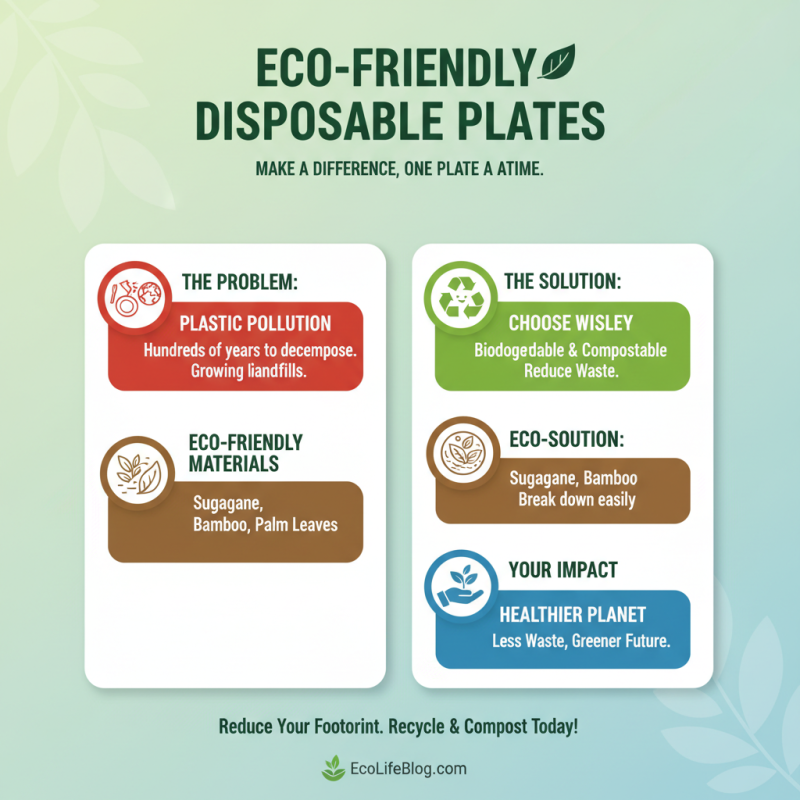
When choosing disposable plates, consider their environmental impact. Many plates are made from plastic, which can take hundreds of years to decompose. It can be frustrating to see waste piles grow while the planet suffers. Opting for biodegradable or compostable plates can minimize this impact. Look for products made from materials like sugarcane, bamboo, or palm leaves. These options break down more easily and reduce landfill contributions.
Recycling is another vital aspect. Not all disposable plates are recyclable. Some are coated with materials that prevent proper recycling. Check for labels indicating recyclability. It's important to know local recycling rules, as they can vary widely. Many people assume all disposables are the same, which is misleading. Misplaced waste can contaminate recycling streams. Choosing the right plates requires careful thought and action. Think about how your choice affects the larger picture.