Why Choose Paper Lunch Boxes for Your Meal Prep and Eco-Friendly Living
In recent years, the shift towards sustainable living has intensified, with many individuals and organizations seeking eco-friendly alternatives to reduce their environmental impact. A significant aspect of this movement involves the choice of meal prep containers, where "Paper Lunch Boxes" have emerged as a particularly advantageous option. According to the Environmental Protection Agency, approximately 292.4 million tons of waste were generated in the United States in 2018, with food packaging contributing a substantial portion. The growing concern over plastic pollution, which was highlighted in a comprehensive report by the World Economic Forum, underscores the urgent need for biodegradable options that honor both convenience and environmental responsibility.
Opting for Paper Lunch Boxes not only addresses the pressing issue of plastic waste but also aligns with the values of health-conscious consumers. Research by the Nielsen Group reveals that 73% of consumers are willing to change their consumption habits to lessen their environmental impact. Paper Lunch Boxes, typically made from renewable resources and designed for easy disposal, enable individuals to partake in meal prep while also supporting sustainability. Furthermore, studies show that using eco-friendly packaging can boost brand loyalty, reflected in their pivotal role in attracting environmentally aware demographics. As we navigate the complexities of modern dining and environmental stewardship, Paper Lunch Boxes stand out as a practical solution that marries functionality with ecological mindfulness.
Benefits of Using Paper Lunch Boxes in Meal Prep
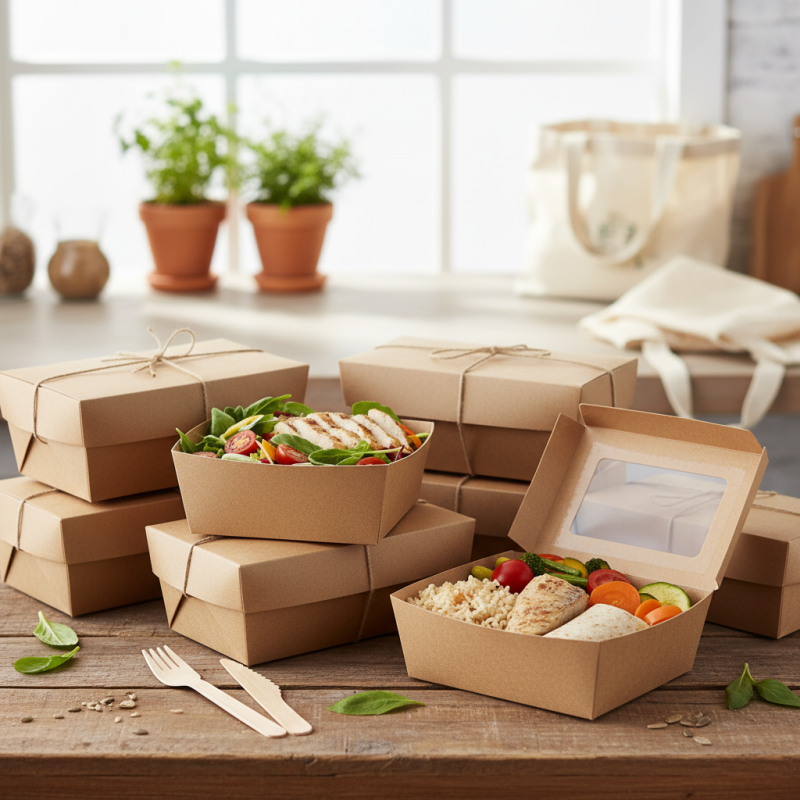
Paper lunch boxes have emerged as a popular choice for meal prep enthusiasts who prioritize both convenience and environmental sustainability.
According to a report by the Environmental Protection Agency, single-use plastics account for approximately 25% of the waste found in landfills and oceans.
By opting for paper lunch boxes, which are made from renewable resources and are biodegradable, consumers can significantly reduce their carbon footprint.
This transition not only aids in minimizing plastic pollution but also supports a circular economy where materials are reused and recycled.
In addition to their eco-friendly aspects, paper lunch boxes offer practical benefits for meal prep.
Research shows that meal prepping can lead to a reduction of food waste by around 30%, as families and individuals are more likely to consume the meals they have prepared in advance.
Paper lunch boxes are perfect for holding a variety of foods, from salads to sandwiches, without the risk of leaching chemicals into the food, a concern often associated with some plastic containers.
Furthermore, many paper lunch boxes are designed with leak-resistant features, enhancing their usability for sauces and dressings while ensuring that meal prep remains a hassle-free experience.
Environmental Impact of Paper Lunch Boxes Versus Plastic Alternatives
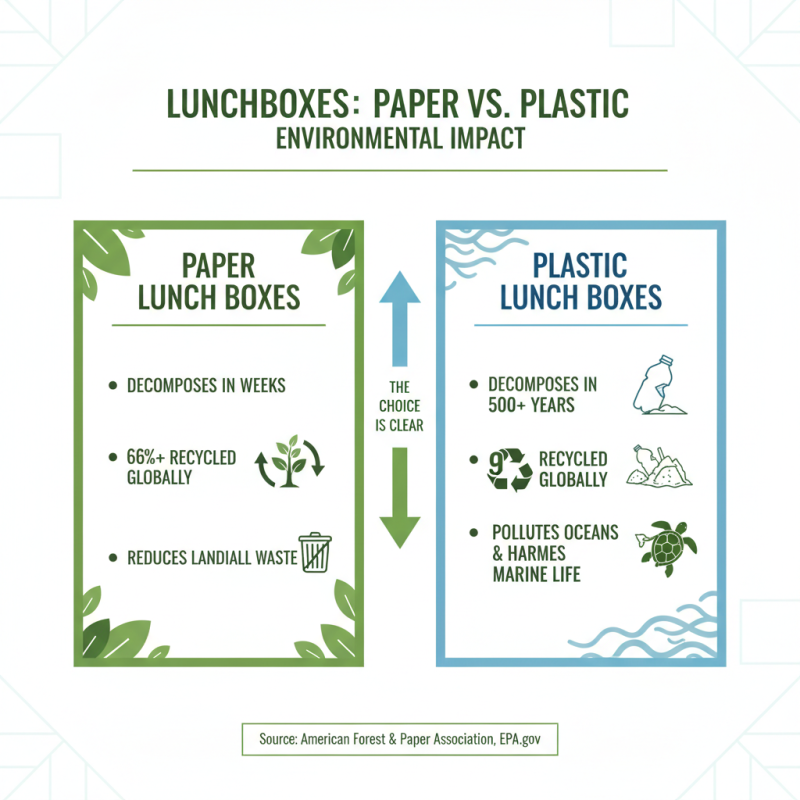
When comparing the environmental impact of paper lunch boxes to plastic alternatives, the figures are telling. Paper products can decompose within weeks under the right conditions, significantly reducing landfill waste. According to the American Forest & Paper Association, paper has a recycling rate of over 66%, making it one of the most recycled materials in the world. In contrast, only about 9% of plastic is ever recycled, with the vast majority ending up in landfills or the ocean, where they contribute to pollution and harm marine life.
Choosing paper lunch boxes helps mitigate this risk and supports a circular economy. They can be produced from sustainably sourced materials, and many manufacturers are now offering paper products that fulfill the certification criteria for environmental sustainability. Research indicates that the production of paper lunch boxes emits less greenhouse gas compared to plastic production, thus contributing to lower overall carbon emissions. Moreover, the biodegradable nature of paper means that it can break down naturally, enriching the soil rather than contributing to ongoing pollution.
Tips: When selecting paper lunch boxes, opt for those made from recycled materials to further lower your environmental footprint. Always check for eco-certifications to ensure that the paper sources are sustainable. Additionally, consider reusing your paper lunch boxes when possible to extend their life cycle and reduce waste.
Key Features of High-Quality Paper Lunch Boxes for Food Safety
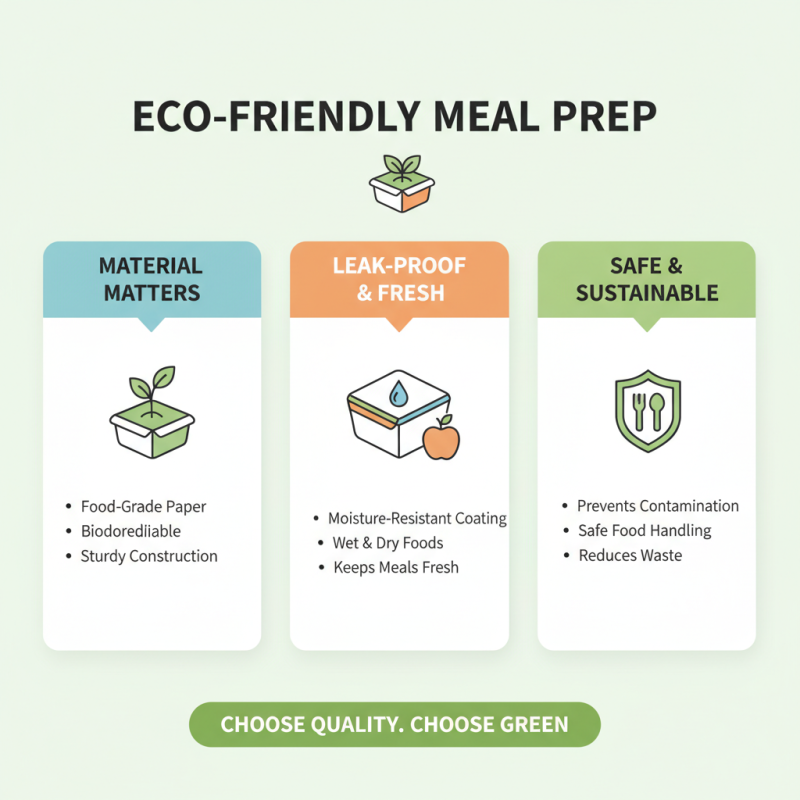
When it comes to meal prep and eco-friendly living, selecting high-quality paper lunch boxes is essential for ensuring food safety. One of the key features to consider is the material used in production. High-quality paper lunch boxes are often made from food-grade materials that are not only biodegradable but also sturdy enough to prevent leaks and maintain their shape. These boxes usually come with an interior coating that provides moisture resistance, making them ideal for both wet and dry food items. This characteristic helps keep meals fresh and reduces the risk of contamination, thereby promoting safe food handling.
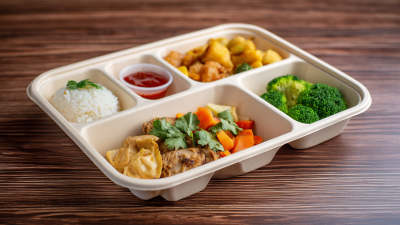
Another important feature of quality paper lunch boxes is their design. Many of these boxes are thoughtfully designed with secure closures to prevent spills and enhance convenience during transport. Additionally, some models include compartments or dividers, allowing for the separation of different food items, which further promotes food safety by minimizing cross-contamination. Eco-conscious consumers can also appreciate the recyclable nature of these lunch boxes, aligning with a sustainable lifestyle while ensuring that their meals remain protected and hygienic. Ultimately, opting for high-quality paper lunch boxes not only supports healthier eating habits but also contributes to environmental well-being.
Statistics on Waste Reduction Achieved by Choosing Paper Packaging
The shift towards eco-friendly packaging solutions has gained momentum in recent years, with paper lunch boxes emerging as a leading alternative. Statistics show that choosing paper packaging can substantially reduce waste. For instance, a study revealed that switching from plastic to paper containers could cut landfill contributions by over 50%. This reduction is significant considering that millions of tons of plastic end up in landfills every year, contributing to environmental degradation and harming wildlife.
Moreover, paper lunch boxes are often recyclable and compostable, which is an added benefit for environmentally conscious consumers. When paper products are disposed of properly, they break down more easily compared to their plastic counterparts. Statistics indicate that the average person generates 4.4 pounds of waste daily, with a considerable portion being single-use plastics. By opting for paper packaging, individuals and businesses can help mitigate this staggering statistic and promote a cleaner, greener planet. This choice not only reflects personal responsibility but also contributes to larger community efforts aimed at sustainable living and waste reduction.
Consumer Trends: The Shift Towards Eco-Friendly Meal Solutions
The modern consumer landscape is witnessing a notable shift towards eco-friendly meal solutions, driven by an increasing awareness of environmental issues. According to a report by Statista, the global market for sustainable food packaging is projected to reach $400 billion by 2026. This shift is particularly evident in meal prep choices, where consumers are actively seeking alternatives that minimize ecological impact. Paper lunch boxes are at the forefront of this change, offering an attractive, biodegradable option that aligns with the values of environmentally conscious individuals.
Moreover, a survey conducted by the Eco Packaging Association found that over 70% of consumers are willing to pay more for food products packaged in sustainable materials. This reflects a broader trend where sustainability is not just an option but a demand. The rise of meal prep culture has further catalyzed this trend; consumers are looking to streamline their food storage while also adhering to eco-friendly practices. With paper lunch boxes being compostable and free from harmful chemicals, they serve as a dual-purpose solution that caters to convenience and sustainability, perfectly aligning with the modern consumer's values. The embrace of such eco-friendly solutions signals a significant and lasting change in consumer behavior, making a compelling case for the continued popularity of paper lunch boxes in meal prep.