Top 5 Bagasse Trays for Sustainable Packaging Solutions?
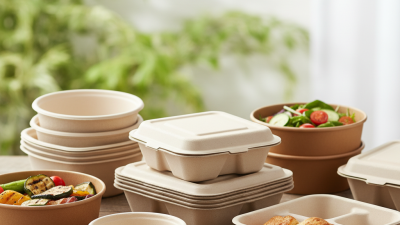
In recent years, sustainability has become a priority for many industries. One promising solution is the use of Bagasse Trays. Made from sugarcane pulp, these trays are an eco-friendly alternative to plastic packaging. Their biodegradable nature makes them highly appealing for restaurants and food vendors.
Many businesses are now gravitating towards sustainable options. Bagasse Trays stand out due to their durability and versatility. They can handle hot foods well and are microwave-safe, ensuring they meet various food service needs. However, the market can sometimes confuse buyers with a wide range of options.
It is essential to choose the right Bagasse Trays for your specific needs. Not all trays are created equal, and some may not perform as promised. An informed choice will lead to better outcomes in sustainability and customer satisfaction. By understanding the features and benefits, businesses can reduce their environmental footprint effectively.
Overview of Bagasse as a Sustainable Material
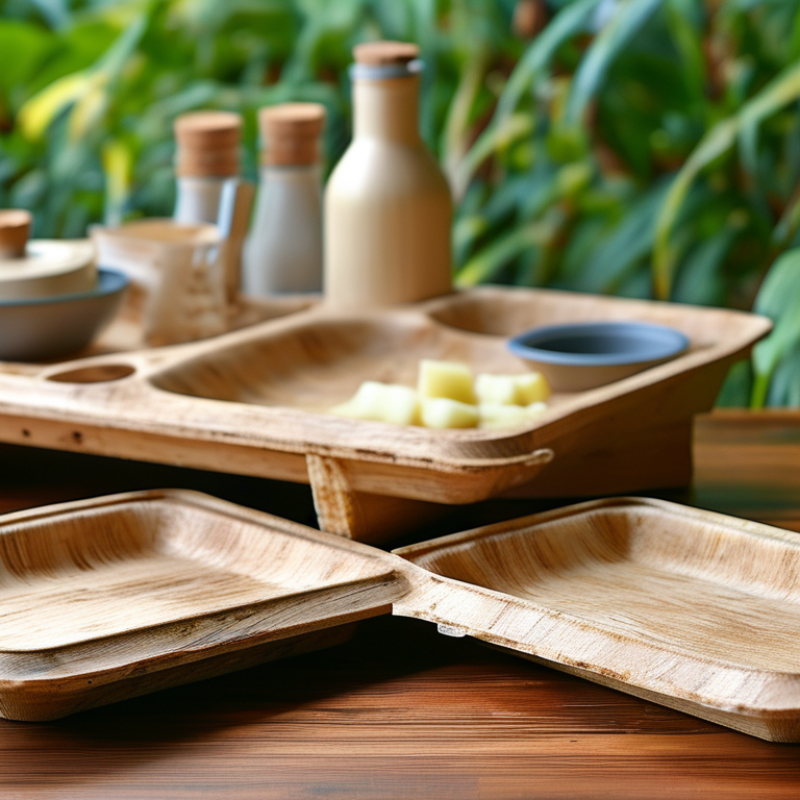
Bagasse is the fibrous residue left after sugarcane juice extraction. This byproduct has gained popularity as a sustainable material. It offers an eco-friendly alternative to plastic and foam packaging. Bagasse trays are biodegradable, which means they break down naturally, reducing landfill waste. They come from a renewable resource, making them a smart choice for the environment.
Many businesses are making the shift towards bagasse packaging. This change is not just about sustainability; it's also about customer perception. Shoppers prefer brands that prioritize eco-friendly practices. Bagasse trays can hold hot or cold foods, showing versatility. However, sourcing bagasse responsibly remains a challenge, as demand grows. It's crucial for suppliers to ensure ethical practices in production.
Despite its advantages, bagasse is not without limitations. It can be more expensive than traditional materials. Some consumers might find bagasse trays less sturdy than plastic options. These factors invite reflection on cost versus environmental impact. The conversation around bagasse packaging is ongoing as we strive for truly sustainable solutions in our daily lives.
Top 5 Bagasse Trays for Sustainable Packaging Solutions
This chart presents the eco-friendliness ratings of the top five bagasse tray options available in the market. The ratings reflect various environmental aspects based on sustainability criteria, with 10 being the highest level of eco-friendliness.
Importance of Eco-Friendly Packaging in Modern Industry
Eco-friendly packaging is vital for the modern industry. With increasing environmental concerns, businesses must prioritize sustainable options. Bagasse trays, made from sugarcane residue, are an excellent alternative to plastic. They are biodegradable and compostable, reducing waste significantly. Choosing such materials shows a commitment to sustainability.
When selecting packaging solutions, consider the lifecycle of materials. Look for those that minimize environmental impact from production to disposal. Remember, not all eco-friendly options perform equally. It's essential to assess their durability and suitability for specific products. Some materials may not hold up as well as traditional ones, leading to waste.
Tip: Research local recycling facilities. Understanding what materials your community can process is crucial. This knowledge can guide your packaging choices. Additionally, engage with suppliers who share your values. They can provide insights and support for sustainable practices. Encourage feedback from customers about their preferences. This can help you improve your packaging and meet market demand.
Top Features to Consider in Bagasse Trays
When choosing bagasse trays for sustainable packaging, consider their eco-friendliness. Made from sugarcane byproducts, these trays minimize waste. They are biodegradable and compostable, aligning with the growing demand for sustainable solutions. The materials used are renewable, making them a preferred choice for environmentally conscious consumers.
Durability is another important feature. Bagasse trays can withstand moisture and grease, making them ideal for food packaging. They maintain their shape and integrity during transport and handling. However, some lower-quality options may not perform as well. Testing and evaluation of products can prevent frustrating mishaps.
Design matters too. Trays come in various sizes and shapes. A good design enhances user experience while reducing the need for additional packaging. However, innovative designs may sometimes be more expensive. Balancing cost and quality is crucial for both businesses and consumers. Choosing the right bagasse tray requires careful consideration of these features for optimal performance.
Comparison of the Best Bagasse Tray Brands
When exploring bagasse trays for sustainable packaging, several brands stand out. These trays, made from sugarcane waste, offer an eco-friendly alternative to traditional plastics. The best options are usually biodegradable and compostable, aligning with environmental goals. Quality varies, though. Some trays perform better under heat or moisture than others.
It’s important to consider how well the trays hold liquids. Some brands may leak or warp, which makes them less reliable for certain foods. Durability is another factor. While many trays are sturdy, some may not support heavier items. This inconsistency can lead to unpleasant surprises during events or deliveries.
Sourcing practices also differ among brands. Some prioritize local materials, while others rely on imported resources. Local sourcing is often more sustainable, but it can increase costs. Not all consumers are aware of these nuances. Understanding the supply chain can help make informed choices. As eco-friendly alternatives continue to evolve, staying updated on the latest innovations is crucial.
Applications and Advantages of Using Bagasse Trays
Bagasse trays are emerging as an eco-friendly alternative in packaging. Derived from sugarcane waste, these trays are compostable and biodegradable. They break down quickly, minimizing landfill waste. According to a report by Research and Markets, the global bagasse products market is expected to grow by 4.5% annually, reflecting increasing demand. This shift is driven by heightened awareness of environmental issues.
Applications for bagasse trays are diverse. They are widely used in the food industry for takeout, catering, and events. Their sturdy design allows for both hot and cold food items. In addition, their natural look appeals to consumers seeking sustainable options. A study by the Food Packaging Forum reported that 71% of consumers prefer products with sustainable packaging. This statistic highlights the growing trend toward eco-conscious choices.
Despite these advantages, challenges remain. Production processes can be inconsistent, leading to varying quality. Additionally, some users report that bagasse trays can be less durable than plastic options. There's still a need for education about proper disposal methods to enhance their environmental benefits. Addressing these issues is crucial for maximizing the potential of bagasse trays in sustainable packaging.