Leave Your Message

Top Plastic Container Suppliers for Global Buyers?

Global buyers need more than a long supplier list when sourcing a Plastic Container. They need evidence that a manufacturer can deliver consistent quality, stable capacity, and practical export support. Packaging remains a major industrial market. Grand View Research estimates the global plastic packaging market will continue expanding through 2030, supported by food, beverage, healthcare, and household applications. The opportunity is large. So are the risks.

The OECD Global Plastics Outlook reported that global plastics production reached 460 million tonnes in 2019. It also found that only about 9% of plastic waste was ultimately recycled. These figures make material selection, recycled content, and end-of-life planning important purchasing factors. A reliable supplier should explain resin grades, wall thickness, closure compatibility, leak testing, mold ownership, and quality-control procedures. Factory photographs help. Independent audit records help more.

Global buyers should also examine production lead times, minimum order quantities, export packaging, and inspection arrangements. A technically strong supplier may still fail when communication is slow or documentation is incomplete. That uncomfortable detail is easy to overlook. Price comparisons can be misleading when one quotation excludes tooling, freight, testing, or protective cartons. Supplier rankings should therefore combine product performance with verifiable business evidence. No shortlist is perfect. Market conditions change, and even experienced buyers can misjudge capacity after a successful sample. The strongest sourcing decision comes from comparing samples, factory records, certifications, and total landed cost before signing a long-term agreement.
Top Plastic Container Suppliers for Global Buyers?

What Defines a Reliable Plastic Container Supplier?

What Defines a Reliable Plastic Container Supplier?

A reliable plastic container supplier begins with consistent materials and controlled production. Ask for resin specifications, food-contact declarations, and batch traceability records. Each container should match the approved sample in weight, color, shape, and closure fit. Small details matter. A loose cap can create leakage, returns, and damaged shipments.

Quality control should include practical testing, not attractive promises. Request drop tests, pressure checks, torque measurements, and dimensional reports. For larger orders, review inspection procedures before production starts. A dependable supplier explains sampling levels and records corrective actions clearly.

Factory capacity also deserves attention. Can the supplier maintain output during seasonal demand? Can it replace defective units quickly? These questions expose operational weaknesses.

Communication is another strong reliability signal. Replies should be specific, dated, and supported by documents. During a supplier assessment, buyers can request a production timeline, packaging plan, and shipment photos. Compliance files must remain current for the destination market. A supplier may offer excellent prices but provide incomplete records. That is a warning, not a minor inconvenience.

No supplier performs perfectly every time. Even experienced factories can miss a color variation or packing error. What matters is the response: transparent investigation, measurable correction, and follow-up inspection. I would not judge reliability from a polished showroom alone. A quiet production floor, clear records, and honest answers often reveal more. Good partnerships are built through repeated evidence, not confident claims.
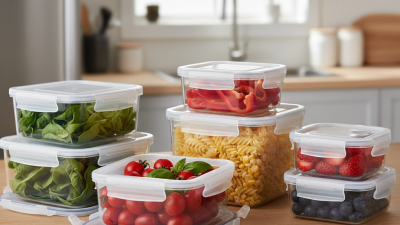
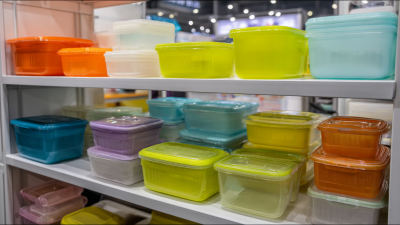
Which Types of Plastic Containers Meet Different Packaging Needs?

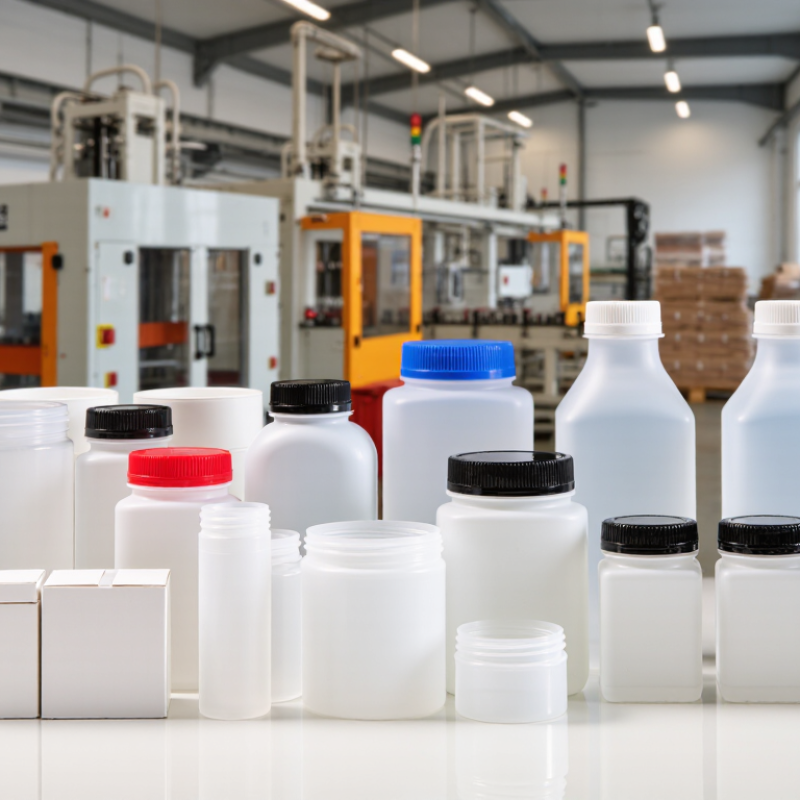
Plastic containers should match the product, filling process, transport route, and recovery system. PET bottles suit clear beverages, personal-care liquids, and products needing low weight. Their transparency supports shelf inspection, while their stiffness protects against crushing. HDPE containers offer stronger impact resistance and moisture protection. They work well for household liquids, powders, and opaque products.

PP tubs tolerate higher filling temperatures and repeated handling. Their hinged lids can improve convenience, but poor hinge design may create waste. LDPE bottles and pouches provide flexibility for squeezable products. They are practical for sauces, creams, and cleaning liquids. However, flexible formats often need extra barrier layers. That can complicate recycling. PlasticsEurope’s 2023 Fast Facts reports that packaging represented 39.6% of European plastics demand in 2022. The choice deserves scrutiny.

Global buyers should also compare wall thickness, neck finish, closure torque, and pallet efficiency. A lightweight bottle may lower freight emissions, yet it can deform during stacking. In packaging trials, small changes in shoulder shape often improve stability more than simply adding material.

The OECD’s Global Plastics Outlook identifies packaging as roughly 40% of global plastic waste. This makes material reduction important, but not at the expense of leakage or product protection.

Recycled-content options may reduce virgin resin use, although color, odor, and food-contact requirements can limit suitability. A container that looks sustainable may still perform poorly in real distribution. Test it under heat, vibration, compression, and repeated opening.

How to Evaluate Suppliers by Quality, Compliance, and Capacity?

Top Plastic Container Suppliers for Global Buyers

How to Evaluate Suppliers by Quality, Compliance, and Capacity?

A reliable supplier should prove quality, not merely describe it. Request resin specifications, dimensional records, closure-fit results, and batch traceability. For food, cosmetic, or pharmaceutical packaging, ask for migration testing and material declarations. ISO 2859 sampling plans can support consistent inspection, while ISO 9001 certification indicates a quality system, not perfect products. That distinction matters. A certificate is evidence, not a guarantee.

Compliance must match the destination market and the container’s end use. The OECD’s Global Plastics Outlook reports that global plastic waste reached 353 million tonnes in 2019, with packaging forming a major share. This pressure has increased scrutiny of recyclability, additives, labeling, and recycled content. Ask suppliers for current test reports, factory audit records, and change-control procedures. Documents should identify the test method, laboratory, production batch, and report date. Vague paperwork creates expensive delays.

Capacity is more than machinery. Review monthly output, mold availability, staffing, maintenance routines, and peak-season planning. Request three months of production data, not an optimistic forecast. Check whether one factory depends on a single critical machine. The UNEP report Turning off the Tap emphasizes system-wide reductions and circular design, so capacity should include waste control and material recovery. In practice, a supplier may pass an audit yet struggle with color consistency during a rush order. I would leave room for that uncomfortable possibility. Numbers expose weak systems. A small pilot order, witnessed inspection, and retest often reveal more than a polished presentation.

Where Global Buyers Can Find and Compare Suitable Suppliers?

Global buyers need more than a long supplier list when sourcing plastic containers. They need evidence, comparison, and practical communication. Trade directories, industrial exhibitions, supplier websites, and verified business platforms can reveal suitable manufacturers. Local sourcing agents may also identify factories that are difficult to find online.


Compare suppliers through measurable details. Check container materials, capacity, neck size, closure compatibility, color options, and production methods. Request technical datasheets, product drawings, sample units, and recent quality records. Ask about minimum order quantities, mold ownership, lead times, packaging, and shipping terms. A reliable supplier should explain testing procedures clearly and answer questions without vague promises.

Look for experience with your target market and container application. Food, cosmetic, chemical, and household products may require different material controls. Confirm traceability, batch inspection, and documentation before placing a large order. Factory photos help, but they are not proof. An independent audit can provide stronger evidence, although it adds time and cost.

Compare carefully. Price alone can hide weak packaging or inconsistent dimensions. I have seen attractive quotations change after mold fees, sampling, and freight were added. A shared comparison sheet makes these differences visible. Still, buyer judgment matters. Online information may be outdated, and even a professional supplier can miss a delivery target. Keep communication records, define acceptance standards, and test samples under realistic handling conditions before approving mass production.

What Costs, Logistics, and Risks Should Buyers Consider?

When evaluating plastic container suppliers, buyers should examine the full landed cost, not only the quoted unit price. Tooling, mold maintenance, sampling, and setup fees can change the budget quickly. Ask whether the material is virgin, recycled, or blended resin. Resin grade affects strength, appearance, and product compatibility. Color, closure type, wall thickness, and decoration also influence pricing. A low quote can become expensive. Request a cost sheet covering packaging, inland transport, freight, insurance, duties, and inspection fees. Use current freight assumptions, because shipping prices can shift within weeks.

Logistics deserve equal attention. Confirm monthly production capacity, minimum order quantities, and realistic lead times. Plastic containers occupy significant cubic space before filling. Pallet patterns and carton dimensions directly affect freight efficiency. A full container may reach its volume limit before its weight limit. Ask for loading photographs and carton strength data. Include buffer time for port congestion, customs reviews, and seasonal factory shutdowns. A pilot shipment can reveal damage, poor stacking, or confusing labels before a larger order. It costs more upfront.

Risk controls should be written into the purchase agreement. Define acceptable dimensions, closure torque, leak-test methods, drop-test standards, and defect limits. Request batch traceability and retain samples from production. Pre-shipment inspection is useful, but it is not perfect. Independent laboratory testing may be appropriate for food, cosmetic, or chemical contact applications. Check required documentation for the destination market. Payment milestones tied to approved samples and inspection results can reduce exposure. Dual sourcing may protect supply, although it can increase qualification costs. Spreadsheets help, but they never capture every surprise.

Global Plastic Container Sourcing: Cost, Logistics and Risk Benchmarks

Typical planning benchmarks for buyers comparing short-haul, regional and intercontinental supply routes.

Intercontinental sourcing may reduce the factory-gate unit-cost index, but it generally increases freight exposure, replenishment time and disruption risk. Buyers should evaluate total landed cost rather than unit price alone, including transport, duties, tooling, inventory carrying costs and delivery uncertainty.