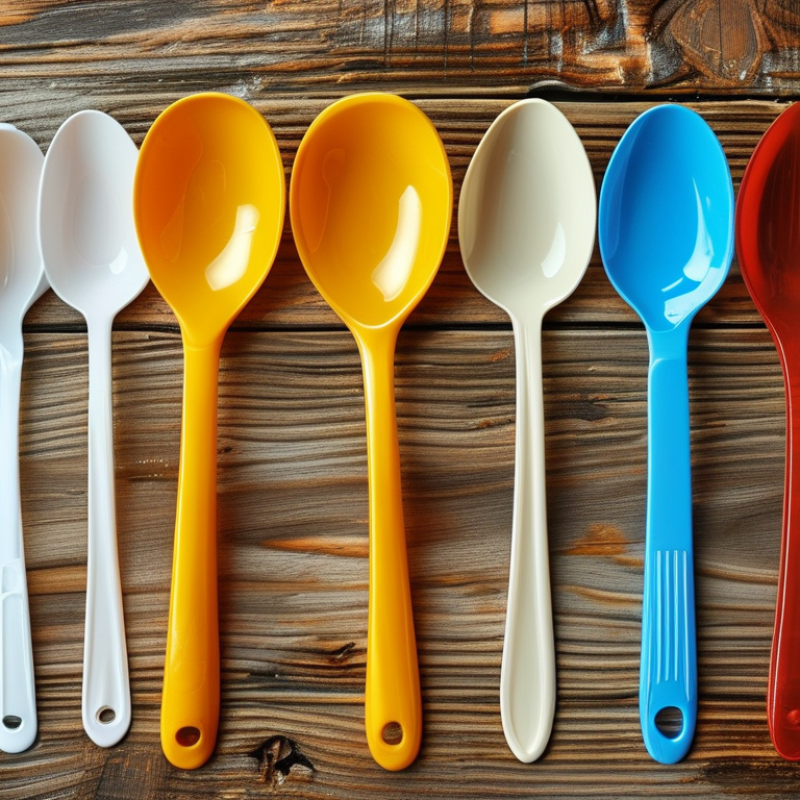
Top 10 Plastic Spoons Buyers Need to Know About
When it comes to everyday dining and parties, plastic spoons are essential. They are convenient, lightweight, and available in various styles. However, not all plastic spoons are created equal. Understanding what to look for is crucial for making the right choice.
The market offers a wide range of plastic spoons. Factors like material, durability, and eco-friendliness impact your selection. Consumers sometimes overlook these details. This can lead to unsatisfactory experiences. Choosing the right plastic spoons can enhance meal enjoyment.
In this guide, we delve into the top ten plastic spoons you should consider. Each option caters to unique needs and occasions. Whether for a picnic or a formal gathering, you’ll find the right option here. Making informed decisions will not only save you time but also improve your dining experience.
Understanding the Different Types of Plastic Spoons Available in the Market
When it comes to plastic spoons, understanding the various types available is essential. The market offers an array of options, each designed for specific uses.
Disposable plastic spoons are popular for events and picnics. They offer convenience but may not always be the best choice for hot foods. The heat can cause them to warp, leading to a messy experience.
Sturdy plastic spoons provide higher durability. These are ideal for heavier dishes like stews or desserts. Choosing the right spoon can enhance the dining experience.
Consider the material as well. Some spoons are made from biodegradable plastic. This choice reflects an increasing awareness of environmental impact.
Tip: Always test a spoon’s flexibility before using it. You don’t want it to break mid-use.
Tip: Keep in mind the weight of the food when selecting a spoon. A lightweight spoon may not suffice for a hearty meal. Careful consideration can lead to better dining satisfaction.
Key Factors Influencing the Purchase of Plastic Spoons in Various Industries
When it comes to buying plastic spoons, several key factors influence decisions across various industries. The material quality stands out as a primary consideration. Buyers often seek spoons that are durable yet lightweight. For food service businesses, the risk of breakage can lead to unsatisfied customers. Choosing the right thickness is vital. Too flimsy and they bend; too thick and they can feel uncomfortable.
Price is another crucial element. Many businesses operate within tight budgets, making cost an important factor. Balancing quality and affordability is not easy. Some buyers may sacrifice durability to save money, which can lead to increased waste over time. Packaging also matters. Bulk buying is economical, but excessive packaging can be wasteful and counterproductive.
Environmental considerations cannot be ignored. Some industries are now prioritizing biodegradable options. However, the availability of such products can be limited. The trade-off between environmental impact and functionality needs careful thought. Each industry's needs and standards differ greatly, emphasizing the need for thoughtful evaluations.
Analyzing the Environmental Impact of Plastic Spoons and Sustainable Alternatives
Plastic spoons are convenient but come with significant environmental costs. Each year, approximately 40 billion plastic utensils are discarded in the U.S. alone. Most of these spoons end up in landfills or oceans, where they take hundreds of years to decompose. This non-biodegradability leads to pollution, harming marine life and ecosystems. Recent studies indicate that microplastics have infiltrated our water systems, causing potential health risks to humans.
Considerable attention is shifting toward sustainable alternatives. Options such as compostable spoons made from bioplastics offer a partial solution. Research shows these materials can decompose within 90-180 days under industrial composting conditions. Moreover, plant-based materials reduce reliance on fossil fuels. However, many consumers remain skeptical about their performance and price. Understanding the trade-offs between convenience and environmental stewardship is critical.
The push for sustainable practices demands more from manufacturers and consumers alike. Some individuals find it hard to transition away from single-use plastics. Awareness campaigns are essential for educating the public about the environmental impact of their choices. Although alternatives exist, widespread adoption remains a challenge. The journey towards sustainability requires collective responsibility and ongoing innovation in material science.
Environmental Impact of Plastic Spoons vs. Sustainable Alternatives
Market Trends: The Growth of Biodegradable Plastic Spoons in Consumer Demand
The demand for biodegradable plastic spoons has surged in recent years. Consumers are increasingly concerned about the environment. As a result, the market is witnessing a significant shift towards sustainable options. This trend highlights the need for buyers to stay informed about eco-friendly products.
Many manufacturers are responding to this shift. They are developing biodegradable materials that decompose faster than traditional plastics. These spoon alternatives often come from plant-based resources. This innovation not only reduces waste but also caters to eco-conscious consumers. When shopping for biodegradable options, it’s essential to check certifications and test the durability of these products.
Tips for buyers include evaluating the product lifespan and overall usability. Some biodegradable spoons may not hold up well with hot food. Consider different brands and their materials carefully. It’s crucial to weigh the environmental impact against performance. While these options are growing, they may not yet meet every consumer's needs perfectly. Being informed can help buyers make better purchasing decisions.
Top Brands and Manufacturers Leading the Plastic Spoon Industry Today
The plastic spoon industry has seen significant evolution over the years, driven by changing consumer preferences and sustainability considerations. Recent reports indicate that the global plastic utensil market was valued at approximately $2.5 billion in 2022 and is projected to grow by about 5% annually through 2030. This growth is largely attributed to the increasing demand for disposable products in the foodservice sector.
Leading the market are several major manufacturers known for their innovative approaches. Research shows that these brands prioritize eco-friendly materials and production methods. While plastic remains a dominant choice, shifts toward biodegradable and recyclable options are becoming more evident. Industry experts recognize that 30% of consumers prefer eco-friendly utensils, highlighting the urgency for manufacturers to adapt.
Quality matters in this competitive landscape. Not all plastic spoons are created equal; materials and designs vary widely. Some spoons bend easily, failing in practical use. Others may not be safe for hot foods. It's essential for buyers to consider these factors to ensure they choose products that meet their needs effectively. The trend is also leaning toward smaller manufacturers that focus on niche markets, creating opportunities to explore unique offerings.
Top 10 Plastic Spoons Buyers Need to Know About
| Rank |
Material Type |
Length (inches) |
Weight (grams) |
Color Options |
Package Quantity |
| 1 |
Polystyrene |
6.5 |
3.2 |
White, Black |
100 |
| 2 |
Polypropylene |
6.0 |
2.5 |
Clear, Green |
50 |
| 3 |
Biodegradable |
7.0 |
3.5 |
Brown, White |
200 |
| 4 |
Polystyrene |
6.25 |
3.1 |
Black, Yellow |
100 |
| 5 |
Polypropylene |
6.7 |
3.0 |
Blue, Red |
250 |
| 6 |
Biodegradable |
6.5 |
2.8 |
White, Tan |
150 |
| 7 |
Polystyrene |
7.0 |
3.3 |
Clear, Black |
100 |
| 8 |
Polypropylene |
6.25 |
2.7 |
Pink, Green |
80 |
| 9 |
Biodegradable |
6.75 |
3.6 |
Green, Brown |
200 |
| 10 |
Polystyrene |
6.5 |
3.1 |
White, Blue |
150 |