What Are the Top Types of Bagasse Trays in 2026?
Bagasse Trays are moving from a niche alternative toward a practical choice for foodservice packaging. They are made from sugarcane residue, molded into forms such as compartment plates, meal trays, and shallow serving dishes. Their appeal is easy to see: a warm lunch, a firm rim, and less reliance on conventional plastic. Yet performance depends on more than the material name. Thickness, coating, food temperature, and time in contact with moisture can all affect how a tray holds up.
The U.S. Environmental Protection Agency’s Advancing Sustainable Materials Management: 2018 Fact Sheet reports that containers and packaging accounted for 82.2 million tons of U.S. municipal solid waste, or 28.1% of the total. That figure covers many packaging materials, not bagasse alone, but it shows why packaging choices deserve close scrutiny. Market research on molded-fiber packaging also points to foodservice as an important application, though estimates vary by study scope. Numbers need context.
In 2026, buyers will compare more than price. They will weigh tray shapes, compartment layouts, grease resistance, stacking strength, and end-of-life options. A tray can look sturdy and still soften under a saucy meal. Small details matter. This guide examines the leading types of Bagasse Trays, where each design fits, and what purchasers should check before ordering. It also leaves room for a useful caution: “compostable” does not guarantee that a local facility accepts the product.
How Bagasse Trays Are Classified by Design and Use
What Are the Top Types of Bagasse Trays in 2026?
How Bagasse Trays Are Classified by Design and Use
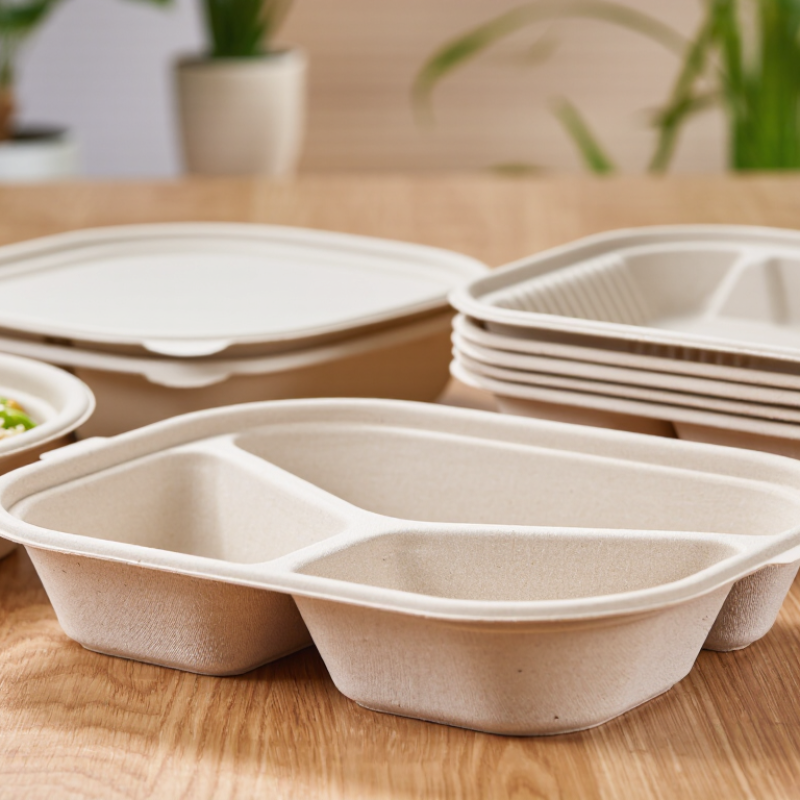
Bagasse trays are easiest to compare by shape, compartment layout, and job. A flat, shallow tray suits snacks, bakery items, or produce. A divided meal tray keeps rice, vegetables, and sauce apart. Compartment counts vary, so check the actual inner dimensions before ordering. Small details matter.
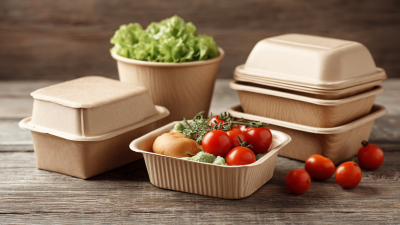
For takeaway meals, lidded trays and clamshell-style designs help contain food during short trips. Deeper bowls or trays work better for saucy dishes, while broad, low-sided formats make serving and display easier. Some designs stack neatly; others catch or nest too tightly. Fit matters in storage, too. Bagasse describes the fiber source, not a guarantee of heat, grease, or moisture resistance. Coatings and construction change performance, so test with the intended food and holding time.
Market context is useful, but not a product ranking. Grand View Research valued the global molded pulp packaging market at about USD 5.5 billion in 2023 and projected a 6.6% compound annual growth rate through 2030. That figure covers molded pulp packaging broadly, not bagasse trays alone. For 2026 purchasing, compare tray dimensions, compartment depth, lid fit, and food-contact performance rather than relying on material labels. Some choices are still a compromise.
What Are the Top Types of Bagasse Trays in 2026?
Bagasse trays are commonly classified by their compartment layout and intended use. This chart shows representative tray configurations—not sales figures or market shares. Actual product designs vary by manufacturer.
Single-compartment trays suit general food service, while multi-compartment designs help keep different foods separate. Compartment count alone does not indicate tray capacity or dimensions.
Single-Compartment Bagasse Trays for Simple Meals
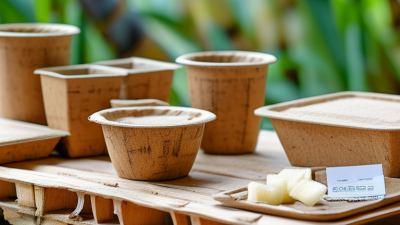
A single-compartment bagasse tray works well for meals that do not need separate sections. Its wide, open surface can hold a sandwich, rice with vegetables, or a slice of quiche. Molded from sugarcane fiber left after juice extraction, bagasse gives the tray a firm, paper-like feel. A raised rim helps keep loose grains and light sauces from slipping over the edge. No divider is needed. That simple layout can also make packing and serving quicker during a busy lunch period.
The fit still matters. Check the tray’s usable dimensions against the actual meal, not just its outside measurements. A large entrée may leave little room for a side, while a small portion can look lost on an oversized tray. Very wet foods may soften the fiber during long holding periods, so test the tray with the menu and serving time you expect. Not every meal fits. Stacking stability, lid compatibility, and storage space deserve a quick check too; these details are easy to overlook, and tray shapes can vary.
Multi-Compartment Trays for Separated Foods
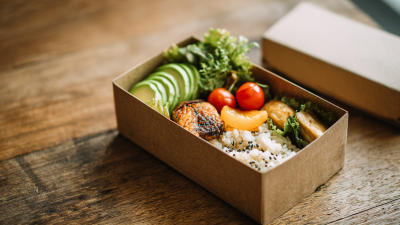
Multi-compartment bagasse trays keep different foods apart without adding separate bowls. Molded from plant fiber, they commonly feature raised dividers and shallow wells for a main dish, vegetables, and a side. A firm rim helps during serving, while textured surfaces can make the tray easier to grip. Small details matter.
The design is useful for meals with contrasting textures: rice beside roasted vegetables, or a sandwich beside sliced fruit. Dividers help limit contact, but they do not create a leakproof seal. Thin dressing can still travel across a tray when it tilts. Keep sauces in a deeper section, and carry filled trays level. It sounds obvious, but busy serving lines make this easy to forget.
Not every tray performs the same. Fiber thickness, compartment depth, and food moisture all affect stiffness. A hot, heavy entrée may cause more flex than a light snack, especially when someone lifts the tray by one corner. Before choosing a style for regular service, test it with the actual menu and portion sizes. Check the supplier’s handling guidance for heating and disposal, too; molded-fiber products can differ. Separation is helpful, not perfect.
Hinged-Lid Bagasse Trays for Takeaway Packaging
What Are the Top Types of Bagasse Trays in 2026?
Hinged-Lid Bagasse Trays for Takeaway Packaging
Hinged-lid bagasse trays suit takeaway meals that need a single, secure container. Their attached lids reduce loose parts during packing, while molded compartments can keep rice, vegetables, and sauces apart. The pressed sugarcane-fiber surface feels firm, but wet or oily foods can soften it over time. Test the tray with your actual menu and delivery duration.
The OECD’s Global Plastics Outlook reports that packaging accounted for 40% of plastic waste in 2019. That figure helps explain interest in fiber-based food packaging, but a bagasse tray is not automatically compostable in every setting. Check the supplier’s material specifications and the waste facilities available to customers. Fit matters, too: a lid that pops open in a delivery bag defeats the purpose. A small detail, but costly.
Tips: Match tray depth to portion size, and leave room around the rim for a reliable lid closure. Test hot, oily meals after realistic travel times. Some designs look sturdy at the counter, then sag during delivery. That trade-off deserves attention.
Specialty Bagasse Trays for Large or Irregular Meals
Large or irregular meals need more than a bigger footprint. Specialty bagasse trays include wide platters, deep-sided designs, and divided formats for foods served together. Made from sugarcane fiber, these molded trays can suit many serving needs, but depth and rim shape matter as much as length. A roast with long vegetables may sit awkwardly in a shallow tray. A raised edge can help contain juices during carrying. Fit matters.
For catering or family-style service, check the tray against the actual meal, not just its listed dimensions. Place a sandwich, side dish, or portion of roasted vegetables inside and see whether food overlaps or shifts. Compartments can keep sauces away from crisp foods, though their shapes may waste space for irregular portions. Bigger is not always better. A wide tray takes more storage room and may feel awkward when fully loaded. Moist, oily, or very hot foods can also affect performance, so check the tray’s stated use guidance before serving. Real portions reveal the trade-offs quickly.