2026 How to Choose Eco Friendly Disposable Plates for Events?
Choosing the right Eco Friendly Disposable Plates for events is essential in promoting sustainability. Many event planners overlook this crucial aspect. In the rush of planning, it’s easy to grab the first available option without considering the environmental impact.
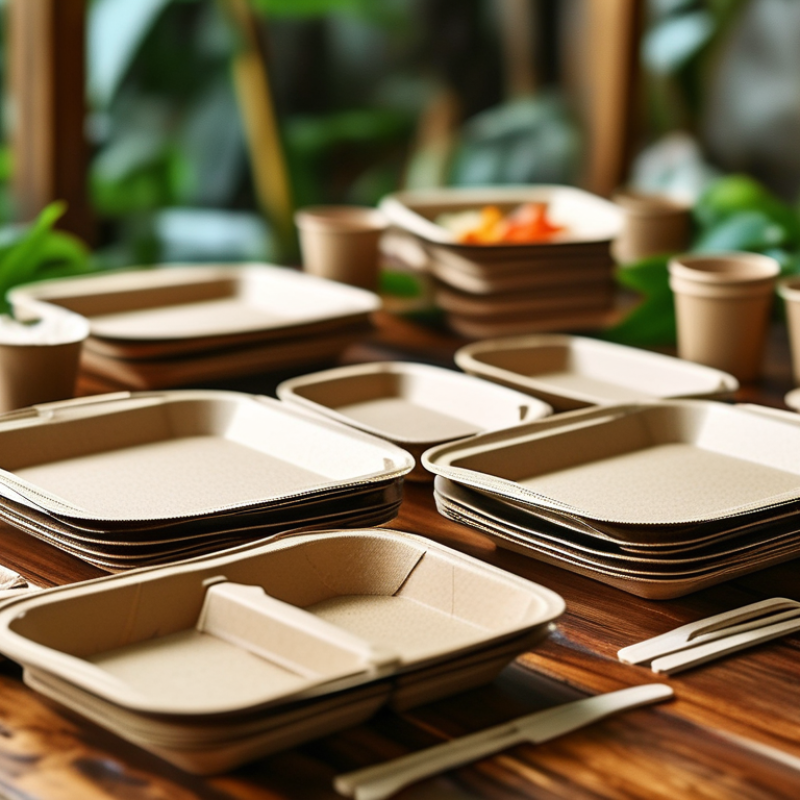
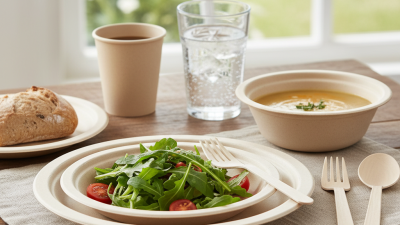
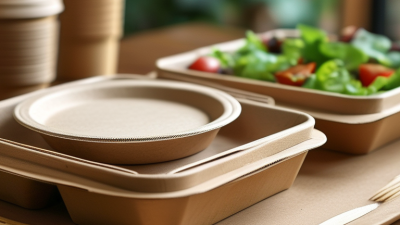
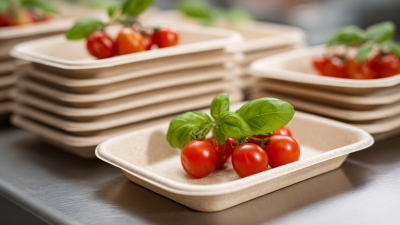
Eco Friendly Disposable Plates are made from materials like bamboo, sugarcane, or recycled paper. These options not only minimize waste but also break down easily in nature. Understanding the materials used is vital for making informed choices.
Consider the event type when selecting plates. For example, formal gatherings may require sturdier options. While convenience is key, it’s important to reflect on the long-term effects on our planet. These choices should enhance the event experience while also prioritizing eco-friendliness.
Understanding the Importance of Eco-Friendly Disposable Plates
Eco-friendly disposable plates play a crucial role in minimizing environmental impact during events. A report by the World Economic Forum highlights that approximately 300 million tons of plastic are produced each year, with a significant portion ending up in landfills and oceans. Choosing eco-friendly options can reduce this staggering waste and promote sustainability.
Biodegradable plates, made from materials like bamboo or sugarcane, break down naturally. Research from the Biodegradable Products Institute indicates these alternatives can decompose within 90 to 180 days. In contrast, traditional plastic plates can take hundreds of years to decompose. This stark difference emphasizes the urgency for change in our purchasing choices for events.
However, it is crucial to acknowledge the challenges. Not all biodegradable plates are created equal. Some may require specific composting conditions, which not every event location provides. There is a need for deeper understanding and education about proper disposal methods to realize the full environmental benefits. Being informed is vital for making the best choices for the planet.
Eco-Friendly Disposable Plates Popularity by Material Type (2023)
Types of Eco-Friendly Materials Used in Disposable Plates
When selecting eco-friendly disposable plates for events, understanding the materials used is essential. Various biodegradable materials are now being recognized for their sustainability. For instance, plates made from sugarcane bagasse are becoming increasingly popular. They are robust and can decompose within 90 to 120 days in composting conditions. According to a recent report from the Biodegradable Products Institute, using bagasse can reduce landfill waste significantly.
Another promising material is bamboo. Bamboo plates, while sturdy and stylish, may present a challenge in sourcing. The growth rate of bamboo is impressive, making it a fast-replenishing resource. However, not all bamboo products are created equal. Some may still involve harmful adhesives or chemicals. Close scrutiny of the sourcing process is necessary.
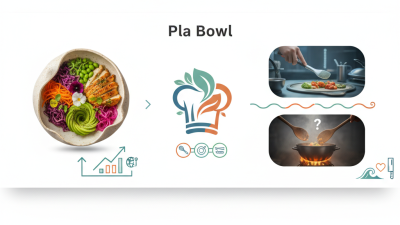
PLA, or polylactic acid, made from corn starch, is another option. While PLA plates provide a good alternative, they require specific composting facilities to break down effectively. Research indicates that only a fraction of municipal facilities can handle PLA recycling, leading to potential waste concerns. Awareness of these limitations is crucial for making responsible choices regarding disposable plates at events.
Key Considerations When Selecting Disposable Plates for Events
When selecting disposable plates for events, consider the materials used. Common options include bamboo, palm leaves, and PLA (polylactic acid).
Bamboo plates are biodegradable and can decompose in less than 90 days, according to the Biodegradable Products Institute. This makes them an eco-friendlier choice compared to traditional plastic plates, which can take centuries to break down.
Another vital consideration is the weight capacity of the plates. Events often serve a variety of foods. Heavy items may crush flimsy plates, causing spills and waste.
Look for plates designed specifically for heavy or saucy foods. Durability and functionality must go hand in hand.
It's essential to think about how the plates will be disposed of after use. Even eco-friendly options can vary in compostability. The best choice ensures the plates are composted, not simply tossed in regular trash.
Recent studies show that proper waste separation can reduce landfill contributions by up to 50%. Consider providing clear disposal guidelines at your event to promote responsible waste management.
This can be a teaching moment for attendees, emphasizing environmental consciousness.
Comparing Cost-Effectiveness of Eco-Friendly Plates vs. Traditional Plates
When planning an event, the choice between eco-friendly disposable plates and traditional options often hinges on cost-effectiveness. Eco-friendly plates are typically made from plant materials like sugarcane or bamboo. This shift not only supports sustainability but can also provide a unique aesthetic. However, their initial cost might be higher than conventional plastic.
Understanding your budget is crucial. Traditional plates are often cheaper in bulk, but consider the hidden costs. If not disposed of properly, they contribute to waste and environmental damage. On the other hand, eco-friendly options can sometimes lead to savings. They are designed for composting, which can reduce waste management expenses in the long run.
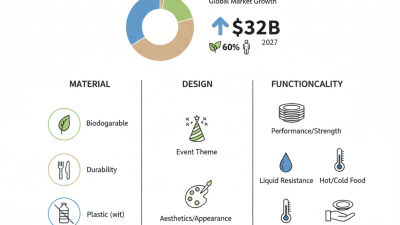
Yet, it’s essential to reflect on functionality. Eco-friendly plates may not perform the same as traditional ones, especially with certain types of food. They can be less durable for heavy dishes, leading to potential messes. Balancing cost with performance and environmental impact requires careful consideration. Each choice has its trade-offs, and your event's theme might also influence your decision.
Tips for Sourcing and Purchasing Eco-Friendly Disposable Plates
When sourcing eco-friendly disposable plates for events, consider the materials used. Compostable options, like those made from sugarcane or bamboo, are popular choices. These materials break down more easily than traditional plastic. They also provide a natural look, adding to the aesthetic of your event. There's a growing demand for biodegradable products, which can make your event more appealing to environmentally conscious guests.
It’s important to verify certifications. Look for products that are certified compostable. This can ensure they meet specific environmental standards. Check if the plates can decompose in a home composting setup or if they require industrial conditions. Not all products labeled as "eco-friendly" adhere to these standards, so doing your research matters.
Consider the size and shape of the plates. Different dishes suit different types of food. Ensure the plates can hold sauces or greasy foods without leaking. It's essential to test a few options to see how they perform. Don’t overlook feedback from previous events. Reflecting on past experiences can help in making better choices this time.