Top Sustainable Packaging Solutions for Global Buyers?
As the world addresses environmental challenges, the demand for sustainable packaging solutions is on the rise. Sustainable packaging plays a crucial role in reducing waste and minimizing carbon footprints. Global consumers are increasingly aware of their purchasing impacts. They seek products that reflect their eco-friendly values.
Innovators in packaging are now focusing on materials that are biodegradable, recyclable, or made from renewable resources. These solutions not only appeal to environmentally conscious buyers but also comply with global initiatives aimed at sustainability. However, challenges remain. Many companies struggle to balance costs while transitioning to sustainable packaging options. This often leads to compromises in product design and functionality.
The exploration of sustainable packaging solutions is vital for companies looking to enhance their market position. Delivering on sustainability promises requires ongoing effort and innovation. As we delve into the top sustainable packaging solutions, it is essential to recognize successes and setbacks. This reflection will help shape a better future for both businesses and our planet.
Overview of Sustainable Packaging: Importance and Trends
Sustainable packaging is gaining momentum as businesses recognize its crucial role in environmental conservation. A recent report by Mordor Intelligence highlights that the global sustainable packaging market is projected to reach approximately $500 billion by 2028, growing at a CAGR of around 6.5%. This reflects a significant shift in consumer preference towards eco-friendly materials.
Current trends show an increasing demand for biodegradable and compostable packaging options. A survey from McKinsey indicates that 60% of consumers are willing to pay more for sustainable packaging. This indicates a robust market for innovations like plant-based and recycled materials. However, challenges remain, such as sourcing sustainable materials and ensuring their effectiveness in protecting products.
Despite advancements, many companies still struggle with implementation. The technology for creating fully sustainable packaging is evolving, but it is not yet widely available. A report from Grand View Research states that 30% of manufacturers face difficulties in maintaining the quality of sustainable packaging. This gap reveals the pressing need for research and collaboration within the industry. While progress is being made, continuous improvement is essential for truly impactful sustainability practices.
Materials Used in Sustainable Packaging Solutions
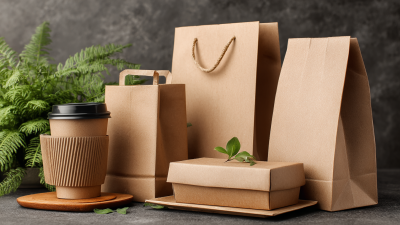
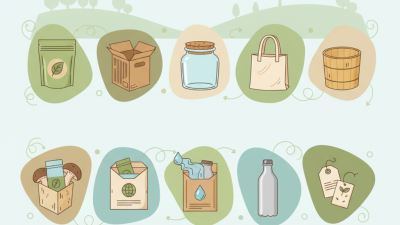
Sustainable packaging solutions are transforming how products are delivered globally. Various materials are leading this change. Biodegradable plastics made from plant starch are one-of-a-kind. They break down naturally, reducing landfill waste. This material offers a practical alternative for short-term use items.
Recycled paper and cardboard are other popular choices. They provide a strong, lightweight option for packaging. These materials consume less energy during production. Moreover, they can be reused multiple times. Switching to recycled materials can significantly cut down environmental impact.
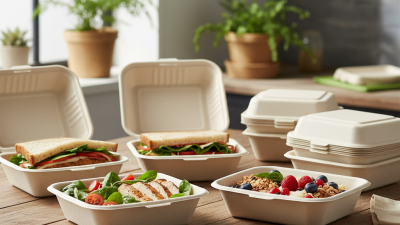
Compostable materials are gaining traction too. They decompose into natural substances, enriching soil. However, people often misunderstand their disposal. If not composted correctly, they may still contribute to pollution. It's crucial to educate consumers about proper disposal. As sustainable packaging continues to evolve, these materials offer both opportunities and challenges.
Innovative Technologies Enhancing Sustainable Packaging
Innovative technologies are transforming the landscape of sustainable packaging. Many businesses are exploring biodegradable materials. This shift reduces plastic waste in landfills and oceans. Companies are now using plant-based plastics. These alternatives show promise in decreasing environmental impact.
Advanced techniques like 3D printing are gaining traction. They allow for customized packaging solutions with minimal material waste. However, the accessibility of these technologies remains a challenge for smaller firms. There’s a gap between innovation and practical application. Without financial support, integrating these technologies can be tough.
Another intriguing method is the use of smart packaging. It includes sensors that monitor freshness. This innovation reduces food spoilage, promoting efficiency. Yet, the reliance on electronics raises questions about e-waste. Balancing technology and sustainability is crucial. The potential is vast, but careful consideration is necessary to ensure long-term benefits.
Case Studies: Successful Implementation of Sustainable Packaging
Sustainable packaging has become a pressing concern for global buyers. Numerous companies have successfully shifted to eco-friendly materials. They show us that change is possible and beneficial. In one notable case, a food company transitioned to compostable wraps. Their customers appreciated the effort, which boosted sales and brand loyalty. However, shifting materials came with challenges. Not all suppliers met quality standards, leading to production delays.
Another example involves a cosmetics brand that introduced refillable containers. Eco-conscious consumers responded positively and embraced the initiative. Even with a strong response, the brand faced logistical hurdles. Some refilling stations struggled with cleanliness or maintenance. This raised questions about customer experience and brand reputation.
These case studies highlight the potential for sustainable packaging. Yet, they reveal that there are bumps along the way. Companies must remain flexible and address flaws. Continuous improvement is essential for long-term success. Consumers are now more educated about sustainability. They expect brands to deliver on their promises while minimizing environmental impact.
Top Sustainable Packaging Solutions for Global Buyers
Future Directions and Challenges in Sustainable Packaging Solutions
The growth of sustainable packaging is undeniable. Yet, challenges remain on the horizon. Many businesses lack the knowledge to implement effective solutions. This gap can hinder progress, as well-informed decisions drive sustainability. Experts highlight the need for better education on material options. Without understanding, companies may revert to traditional packaging methods.
Consumer expectations are evolving. They demand eco-friendly products, but awareness about materials is often low. This disconnect can lead to greenwashing, where companies inflate their sustainability claims. Transparency is essential in this landscape. Brands must communicate their efforts genuinely to build trust.
Innovation in sustainable materials is promising but not foolproof. Biodegradable plastics, for instance, are often misunderstood. They require specific conditions to decompose, which are not always met. Continuous research is vital. The cycle of innovation must include rigorous testing and real-world application. Only then can industries genuinely move toward sustainable practices.