What is Bagasse Burger Box and Why Choose It for Your Business?
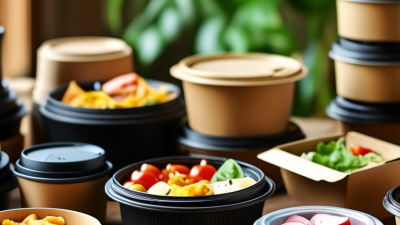
In the evolving landscape of sustainable packaging, the "Bagasse Burger Box" stands out as an innovative choice for businesses. Renowned expert Dr. Linda Green, a sustainability consultant, emphasizes its potential: "The Bagasse Burger Box is not just eco-friendly; it transforms how we think about food packaging." As consumers grow more environmentally aware, businesses must adapt their practices.
This eco-conscious option is made from sugarcane fibers. It offers a biodegradable alternative to traditional plastics. The Bagasse Burger Box not only reduces waste but also enhances brand image. Customers appreciate companies that prioritize the planet. Integrating such packaging can attract more eco-minded clientele. However, businesses should still evaluate their needs.
Quality and functionality are crucial. Some may wonder if bagasse can hold up under heat. Research suggests it performs well in various settings. The Bagasse Burger Box blends sustainability with practicality. As companies explore packaging solutions, understanding its benefits is essential. Balancing eco-friendly choices with operational efficiency remains an ongoing challenge.
What is Bagasse and Its Role in Sustainable Packaging Solutions
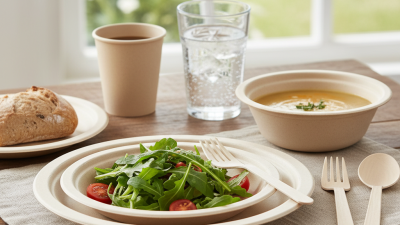
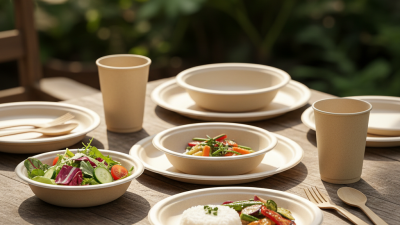
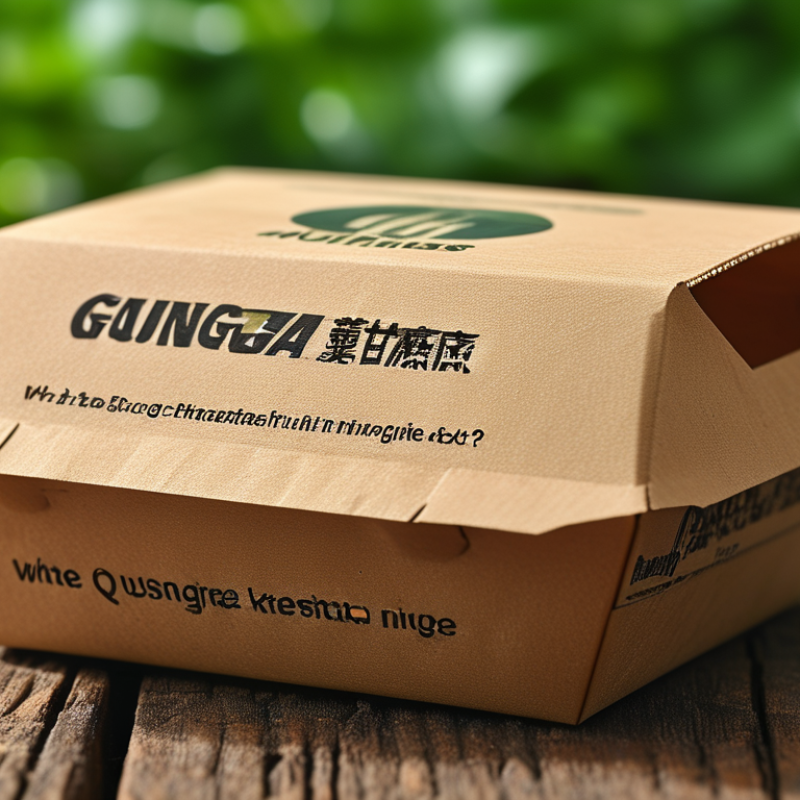
Bagasse is the fibrous material left after extracting juice from sugarcane. It is a natural byproduct that can be repurposed for packaging. Using bagasse in sustainable packaging solutions offers several advantages. It is biodegradable, compostable, and contributes to reducing waste in landfills. Businesses are looking for eco-friendly options. Bagasse packaging aligns with this demand.
Bagasse products, like burger boxes, are sturdy and heat-resistant. They can hold hot food items without leaking. This feature enhances the customer experience for restaurants and food vendors. The production of bagasse packaging requires less energy compared to traditional materials. This process helps in reducing carbon footprints. However, sourcing bagasse depends on sugarcane availability.
Choosing bagasse packaging can reflect a company's commitment to sustainability. Customers are more aware of environmental impacts. They prefer brands that take responsible actions. However, businesses must consider consistent supply and quality. Not all bagasse products are created equal. It's vital to research suppliers carefully. This ensures reliability and maintains brand reputation.
Advantages of Bagasse Burger Boxes Over Traditional Packaging Materials
Bagasse burger boxes are an eco-friendly alternative to traditional packaging options. Made from sugarcane byproducts, they are both biodegradable and compostable. This means that after use, they can break down naturally, reducing environmental waste. Many businesses are beginning to recognize this sustainability factor as a crucial aspect of their operations.
In terms of performance, bagasse boxes offer excellent insulation and moisture resistance. They can withstand both heat and cold, making them suitable for a variety of food items. Unlike plastic or Styrofoam, which can leach harmful chemicals, bagasse is safe for food contact. Additionally, they provide a sturdy and appealing presentation for meals, which is vital in the competitive food industry.
However, some might worry about the cost. While bagasse may be more expensive than traditional materials, the long-term benefits often outweigh the initial investment. Customers increasingly value sustainability. This shift can lead to increased brand loyalty and customer satisfaction. Small businesses may need to assess their financial capacity, but the potential gains in consumer preference may justify the switch.
Advantages of Bagasse Burger Boxes Over Traditional Packaging Materials
The chart above illustrates the advantages of Bagasse Burger Boxes compared to traditional packaging materials. Each advantage is rated on a scale from 1 to 10, reflecting their significance in terms of biodegradability, heat resistance, cost-effectiveness, customer preference, and sustainability.
Environmental Impact: Reducing Carbon Footprint with Bagasse Products
Bagasse, a byproduct of sugarcane, plays a vital role in eco-friendly packaging. The Bagasse Burger Box is not just a trendy choice for food businesses; it significantly reduces the carbon footprint. Made from fibrous remnants, these boxes are biodegradable and compostable. This means they break down naturally, unlike plastic packaging that lingers in landfills for centuries. Adopting bagasse products reflects a commitment to sustainability.
Many food service businesses overlook the environmental impact of their packaging. Using bagasse can be a small change with a big impact. Each burger box purchased reduces reliance on plastic. Businesses often struggle with sustainable choices, yet bagasse provides an effective solution. It's affordable and doesn't compromise quality. However, not all bagasse products are created equal. It's essential to research suppliers to ensure you're getting genuine, responsibly sourced materials.
Incorporating bagasse into your packaging lineup can attract eco-conscious consumers. Many customers are willing to pay more for food packaged sustainably. The challenge lies in balancing cost with environmental responsibility. While bagasse is an excellent option, the overall waste management system must also support it. Some areas may lack proper composting facilities. This could be a concern for businesses eager to make an impact. Evaluation of local infrastructure is crucial for maximizing the benefits of using bagasse.
What is Bagasse Burger Box and Why Choose It for Your Business? - Environmental Impact: Reducing Carbon Footprint with Bagasse Products
| Product |
Material |
Biodegradable |
Carbon Footprint Reduction (%) |
Recyclability |
Usage |
| Bagasse Burger Box |
Sugarcane Pulp |
Yes |
90% |
Yes |
Fast Food, Takeaway |
| Bagasse Sandwich Box |
Sugarcane Pulp |
Yes |
85% |
Yes |
Cafes, Restaurants |
| Bagasse Food Container |
Sugarcane Pulp |
Yes |
80% |
Yes |
Catering, Meals |
| Bagasse Soup Bowl |
Sugarcane Pulp |
Yes |
90% |
Yes |
Food Service, Events |
Market Trends: The Growing Popularity of Eco-Friendly Packaging Choices
Consumers are increasingly shifting towards eco-friendly choices in their purchasing decisions. A recent study showed that over 70% of consumers prefer brands that use sustainable packaging. This trend is a response to growing concerns about environmental issues, such as pollution and waste. The demand for biodegradable and recyclable materials is soaring. Businesses that adopt eco-friendly packaging options are not only appealing to this conscientious market but also setting themselves apart from competitors.
Bagasse, a byproduct of sugarcane, is gaining traction as a packaging solution. It is completely biodegradable and compostable. Not only is it environmentally friendly, but it also boasts durability and resistance to moisture. Industry reports indicate that the global biodegradable packaging market is expected to reach $414 billion by 2027. This growth presents a significant opportunity for businesses to engage with eco-conscious consumers.
While the switch to sustainable options is promising, businesses may face challenges. Sourcing reliable suppliers of eco-friendly materials can be difficult. Companies must also navigate costs, as sustainable options can sometimes be pricier. Nevertheless, the potential benefits of choosing sustainable packaging are considerable. Engaging with this trend can lead to increased customer loyalty and enhanced brand reputation. Balancing cost and sustainability remains a key reflection point for many in the industry.
Cost Efficiency: How Bagasse Burger Boxes Can Benefit Your Bottom Line
Bagasse burger boxes are an innovative solution for environmentally-conscious businesses. Made from the fibrous residue of sugarcane, these boxes offer a sustainable alternative to traditional packaging. The demand for eco-friendly packaging has surged, with a market growth rate expected to reach 7.6% annually until 2025. This increasing preference shows consumers value sustainability, and by choosing bagasse, businesses align with these values.
Cost efficiency is a primary benefit of using bagasse burger boxes. They are lightweight, which can reduce shipping costs. According to industry data, businesses can save up to 30% on logistics by using lighter materials. Furthermore, bagasse boxes are durable and grease-resistant, which means less waste due to damaged packaging. Such efficiencies can significantly enhance a business's bottom line, as packaging waste is estimated to cost the food service industry over $15 billion annually.
However, while bagasse boxes are advantageous, some businesses may initially hesitate due to their higher upfront costs compared to plastic. This perception can create resistance to change. Despite this, the long-term savings on waste management and consumer appeal often outweigh initial expenses. Transitioning to sustainable packaging isn’t just a cost—it's an investment in both the environment and brand reputation.