Top 10 Benefits of Sugarcane Bagasse Packaging for Global Buyers
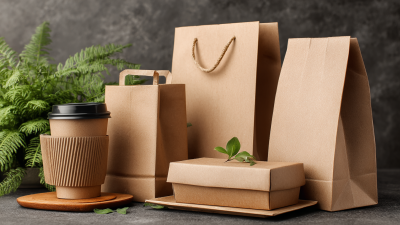
In recent years, the focus on sustainable packaging has become crucial. Sugarcane Bagasse Packaging has emerged as a leading solution. This innovative material is derived from sugarcane pulp, a byproduct of sugar production. Many global buyers are turning to this eco-friendly option for various reasons.
One of the standout benefits of Sugarcane Bagasse Packaging is its biodegradability. Unlike conventional plastics, it breaks down naturally, reducing environmental impact. Additionally, it is compostable, enriching the soil rather than polluting it. The strength of this packaging is another advantage. It is sturdy enough for a range of products, making it versatile for various industries.
Moreover, using Sugarcane Bagasse Packaging aligns with growing consumer preferences for sustainable choices. Brands that switch to this packaging can better connect with eco-conscious customers. It is essential to recognize that while the benefits are substantial, some challenges remain. For instance, the cost may be higher than traditional materials. Further exploration is necessary to find a balance between sustainability and economics.
Advantages of Sugarcane Bagasse Packaging Over Traditional Materials
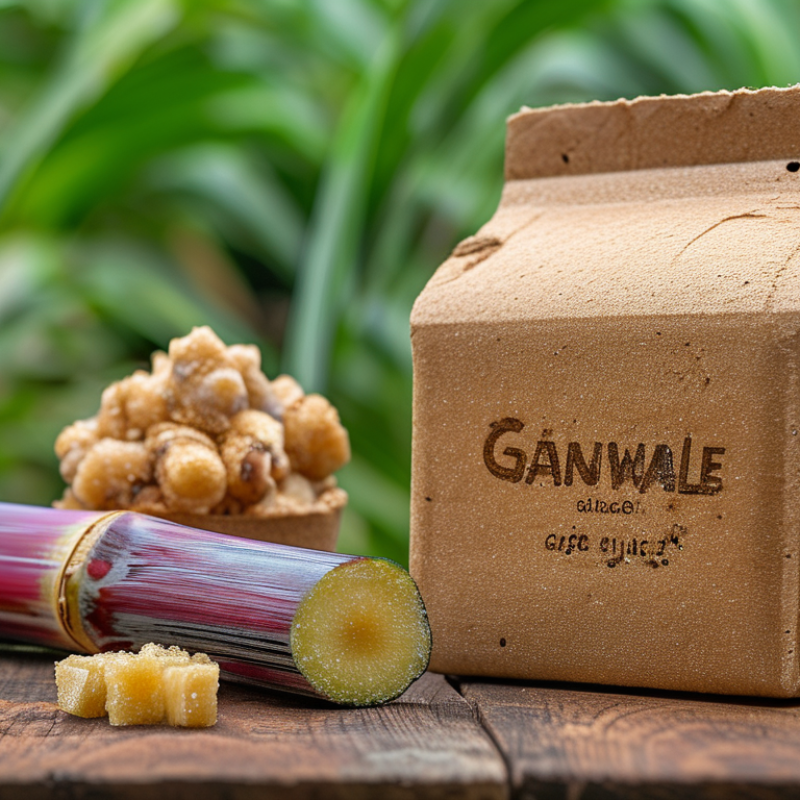
Sugarcane bagasse packaging offers significant advantages over traditional materials like plastic and paper. Firstly, it is biodegradable and compostable. When disposed of, it breaks down naturally. This reduces landfill waste significantly. In contrast, plastics can take hundreds of years to decompose. Buyers prefer eco-friendly options that minimize environmental impact.
Moreover, bagasse is a byproduct of sugarcane processing. Using this waste material for packaging supports sustainability. It helps reduce resource depletion. Traditional packaging often relies on virgin materials, contributing to deforestation and habitat loss. Many consumers are more likely to choose brands that prioritize environmental consciousness.
However, there are challenges. The production of bagasse packaging may not yet be as scalable as traditional options. The cost can fluctuate based on sugarcane availability. Some buyers might hesitate due to these unpredictable factors. It's essential to weigh these potential drawbacks against the ecological benefits. Sustainable choices require careful consideration, but the long-term gains could be impactful.
Eco-Friendly Attributes of Sugarcane Bagasse in Packaging Solutions
Sugarcane bagasse is gaining traction as an innovative packaging solution. This byproduct is derived from the sugarcane industry and offers numerous eco-friendly benefits. Reports from the Global Bioplastics Market suggest that the demand for sustainable packaging is expected to rise significantly, by 20% annually through 2025. This trend highlights the urgent need for solutions like bagasse.
One of the most important attributes of sugarcane bagasse is its biodegradability. Unlike plastic, bagasse decomposes naturally within a few months when exposed to environmental conditions. In contrast, conventional plastics can take hundreds of years to break down. Moreover, it’s renewable, making it a smart alternative for companies focused on sustainability. While it is largely positive, the production process still consumes energy and resources. Some critics argue that large-scale adoption may lead to the overharvesting of sugarcane, impacting land use.
Another significant advantage is that bagasse packaging comes with a low carbon footprint. According to a study by the Ellen MacArthur Foundation, shifting to renewable materials can cut greenhouse gas emissions by up to 50% in packaging industries. Consumers are increasingly aware of their choices. Still, evaluating the entire lifecycle of bagasse remains vital to ensure that it truly is a green solution. Balancing consumer demand and sustainable practices is essential for the future.
Cost-Effectiveness of Sugarcane Bagasse for Global Buyers
Sugarcane bagasse packaging offers robust cost-effectiveness for global buyers. Its production uses waste material from sugarcane processing, reducing costs significantly. In fact, industry reports indicate that bagasse provides about 30% savings compared to traditional packaging materials. This reduction is crucial as companies seek sustainable options without exceeding budgets.
Moreover, the scalability of sugarcane bagasse production makes it appealing. It can be sourced locally in many regions, reducing transportation costs. According to a study by the International Journal of Environmental Research, local sourcing decreases logistics expenses by up to 25%. However, sourcing practices can vary internationally, and not all regions have consistent access to supply. This inconsistency may lead to unpredictable pricing and availability issues at times.
While the affordability of sugarcane bagasse is evident, considerations around quality must not be overlooked. Not every batch produced meets the same standards. Buyers might encounter discrepancies in durability and functionality. These factors can influence the overall effectiveness of bagasse packaging solutions. Therefore, it is essential that buyers conduct thorough assessments before making bulk purchases.
Top 10 Benefits of Sugarcane Bagasse Packaging for Global Buyers
| Benefit |
Description |
Cost-Effectiveness |
| Eco-Friendly |
Made from renewable resources, reducing carbon footprint. |
Reduces waste disposal costs. |
| Biodegradable |
Breaks down naturally, minimizing environmental impact. |
Saves on landfill fees. |
| Durable |
Strong enough to hold various products securely. |
Reduces product damage costs during shipping. |
| Customizable |
Easily tailored to different sizes and branding. |
Increases marketability without significant cost. |
| Insulation Properties |
Natural insulation helps maintain product quality. |
Reduces shipping costs by maintaining temperature. |
| Water-Resistant |
Holds up well in moist conditions. |
Less product waste due to moisture damage. |
| Cost-Effective Production |
Utilizes by-products from sugar production. |
Lower raw material costs. |
| Consumer Preference |
Increasing demand for sustainable packaging solutions. |
Attracts eco-conscious customers. |
| Lightweight |
Easy to handle and transport. |
Reduces overall shipping costs. |
| Versatile Applications |
Suitable for food packaging, electronics, and more. |
Expands market opportunities. |
Versatile Applications of Sugarcane Bagasse Packaging Products
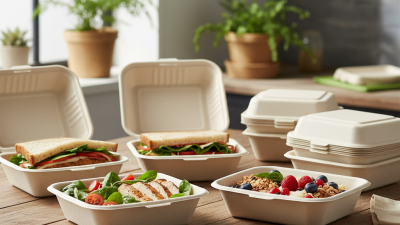
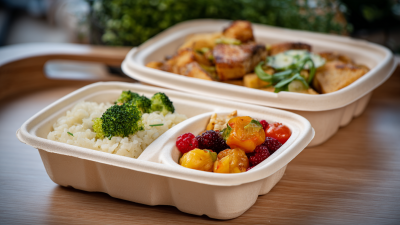
Sugarcane bagasse packaging offers diverse applications that appeal to environmentally conscious buyers. This biodegradable material serves as an excellent choice for food containers, plates, and cups. Its durable nature ensures that it can handle hot and cold food items without leaking or warping. The versatility of these products makes them suitable for both restaurants and home use.
Tips: Consider using bagasse products for outdoor events. They not only enhance the aesthetics but also support sustainability. Moreover, switching to sugarcane bagasse can boost your brand's eco-friendly image.
In addition, bagasse packaging can be customized easily. With various shapes and sizes available, companies can choose options that fit their needs perfectly. This adaptability also extends to printing options, allowing for branding and messaging on the packaging. However, it is important to evaluate the manufacturing process to ensure it aligns with your sustainability goals.
Tips: Research suppliers that provide ethically sourced bagasse. This can help ensure your packaging supports fair labor practices. Challenge your choices and reflect on the impact of your packaging options on the environment.
Sustainability and Circular Economy Impact of Sugarcane Bagasse Packaging
Sugarcane bagasse packaging is emerging as a key player in sustainability efforts. This renewable resource reduces reliance on plastic and minimizes environmental impact. Bagasse, a byproduct of sugarcane processing, is biodegradable and compostable. Choosing such materials supports a circular economy by converting waste into valuable products.
The sustainability credentials of sugarcane bagasse are impressive. It requires less energy to produce than traditional materials. This means lower carbon emissions during production. Furthermore, using bagasse promotes agricultural waste management. It encourages farmers to explore eco-friendly practices. However, not all bagasse products are equal. Quality control and production methods matter. Variations can impact their environmental benefits.
Adopting sugarcane bagasse packaging can shift consumer behavior. It influences how businesses view their supply chains. While benefits are clear, challenges remain. Ensuring consistency in supply and managing logistics need focus. As the market for sustainable packaging grows, transparency in sourcing and production will be key. This ensures that buyers make informed choices.
Top 10 Benefits of Sugarcane Bagasse Packaging
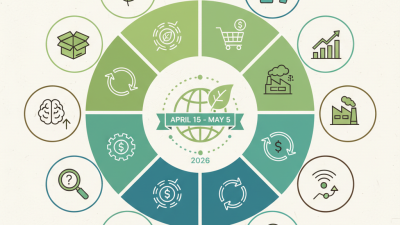
This chart illustrates the top 10 benefits of sugarcane bagasse packaging as perceived on a scale from 1 to 10. Each benefit highlights how sugarcane bagasse contributes to sustainability and the circular economy, emphasizing its potential to support environmentally friendly packaging solutions.