What is a Plastic Container and Why You Need It?
Plastic containers play a vital role in both consumer and industrial markets. According to a report by Grand View Research, the global plastic packaging market is expected to reach $500 billion by 2028. This growth highlights the importance of efficient storage solutions, particularly plastic containers. These containers are often lightweight, durable, and resistant to many chemicals, making them ideal for various applications.
In the food industry, plastic containers help preserve freshness and extend shelf life. The Food and Drug Administration (FDA) has approved many plastics for food contact, ensuring safety and compliance. However, there is still debate over the environmental impact of plastic containers. The World Economic Forum notes that, if unchecked, plastic waste could outweigh fish in the oceans by 2025. This raises questions about sustainability and recycling practices within the industry.
Manufacturers face challenges in balancing functionality with environmental responsibility. While plastic containers offer convenience, the need for biodegradable alternatives is growing. As consumers become more eco-conscious, businesses must adapt. The demand for innovative solutions suggests that the future of plastic containers may require reflection on manufacturing processes and materials used.
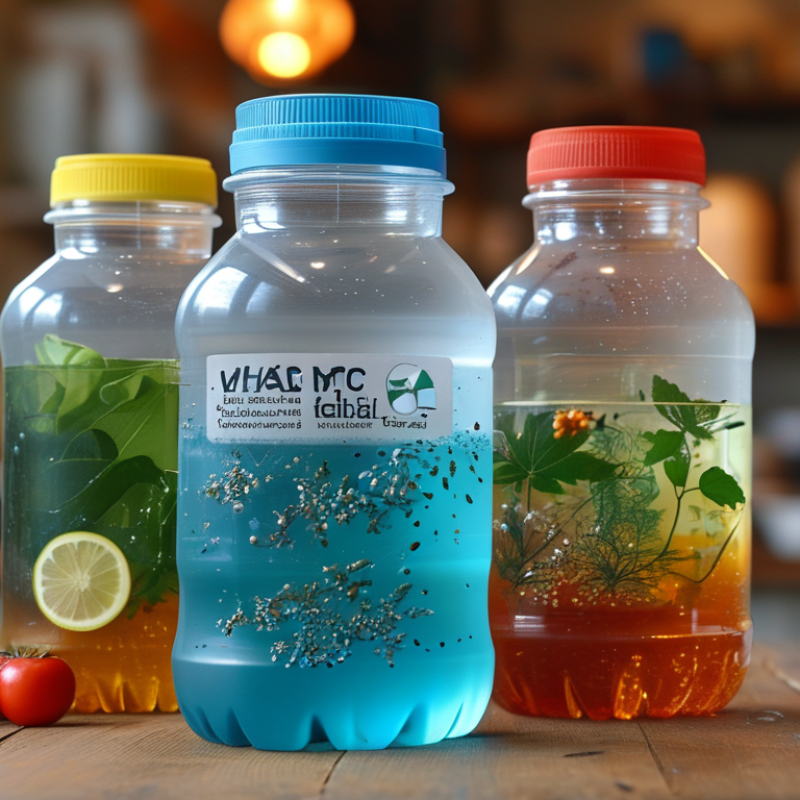
Definition of Plastic Containers: Types and Materials
Plastic containers come in various shapes and sizes, serving different purposes. They are made from diverse materials, primarily polyethene and polypropylene. Different types of plastic containers include bottles, bins, and jars. Each type has its own unique benefits, catering to both consumers and industries.
The choice of material affects durability and usability. For example, polyethene is often flexible and resistant to impact. Polypropylene, on the other hand, offers higher heat resistance, making it ideal for food storage. Understanding these distinctions matters. It can influence your purchasing decisions and environmental impact.
Many people overlook the recycling potential of plastic containers. They can be reused creatively or recycled properly to reduce waste. However, not all plastics are recyclable, leading to confusion. Awareness about these complexities is crucial for responsible usage. By making informed choices, we can play a significant role in sustainability efforts.
What is a Plastic Container and Why You Need It? - Definition of Plastic Containers: Types and Materials
| Type of Plastic Container |
Material Used |
Common Uses |
Recyclability |
| Food Containers |
Polypropylene (PP) |
Storing leftovers, meal prep |
Yes |
| Storage Bins |
High-Density Polyethylene (HDPE) |
Organizing household items |
Yes |
| Bottles |
Polyethylene Terephthalate (PET) |
Beverages, personal care products |
Yes |
| Jars |
Polystyrene (PS) |
Preserving foods, packaging |
Partially |
| Cups |
Polylactic Acid (PLA) |
Takeout, disposable drinks |
Yes, compostable |
Advantages of Using Plastic Containers in Daily Life
Plastic containers have become essential in our daily lives due to their practicality and versatility. A recent report by the Plastics Industry Association highlights that over 30% of all plastic produced is used for packaging purposes. This underlines the growing reliance on plastic containers for storage and organization.
One significant advantage of plastic containers is their lightweight nature. This attribute makes them easy to transport and handle. For instance, food storage containers are often favored for meal prep because they help reduce waste. According to a survey, around 60% of consumers prefer using plastic for food storage, citing convenience and durability as reasons.
Moreover, plastic containers are often more affordable than alternatives like glass or metal. This affordability means that families can stock up on necessary items without breaking the bank. However, it is crucial to consider environmental impacts. Though many plastic containers are recyclable, not all consumers actively recycle. This calls for a reflection on personal habits to ensure responsible usage.
Common Uses of Plastic Containers Across Various Industries
Plastic containers are essential tools across various industries. Their lightweight nature and durability make them popular choices. In food service, for example, they store ingredients safely. Restaurants and catering services rely on them to maintain freshness. These containers also simplify portion control, ensuring consistent servings.
In the pharmaceutical sector, plastic containers play a critical role. They are used to package medications, reducing contamination risks. Additionally, these containers are often designed with child-resistant features. This adds a layer of safety that is crucial for households.
In the manufacturing world, plastic containers are indispensable. They are used for packaging components and finished products. These containers help optimize storage and transport. However, concerns about sustainability persist. There is an ongoing need for improvement in recycling practices. While plastic containers offer convenience, their environmental impact cannot be ignored.
Environmental Considerations and Recycling of Plastic Containers
Plastic containers are commonly used for packaging and storage. Their convenience is undeniable. However, their impact on the environment raises significant concerns. A staggering amount of plastic ends up in landfills and oceans each year. Wildlife is harmed, and ecosystems are disrupted. We need to address these issues carefully.
Recycling plastic containers is crucial. Many people don’t realize that not all plastic is recyclable. Proper sorting is essential. Look for local guidelines on what can be recycled. It's also important to clean containers before recycling them. This small step can improve the recycling process. Yet, even with recycling efforts, a large portion of plastic still isn’t processed efficiently.
Education plays a vital role in promoting responsible use. Consumers should explore alternatives to plastic when possible. For instance, glass or metal options exist. We must reflect on our habits and make better choices. Change starts with awareness. Every individual can contribute by reducing plastic usage and supporting recycling initiatives.
Choosing the Right Plastic Container for Your Needs
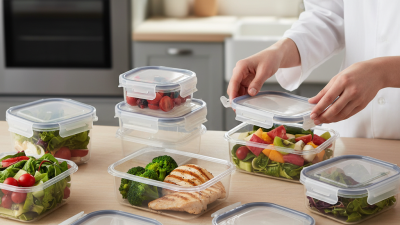
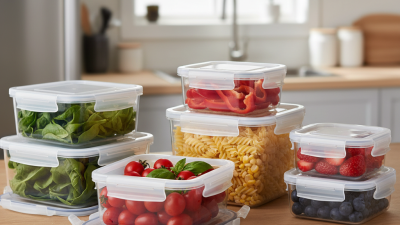
Choosing the right plastic container for your needs can seem overwhelming. Various sizes and shapes exist, each with distinct advantages. Start by considering what you will store. For food items, select BPA-free containers to ensure safety. Clear containers help you see contents, which can simplify meal prep.
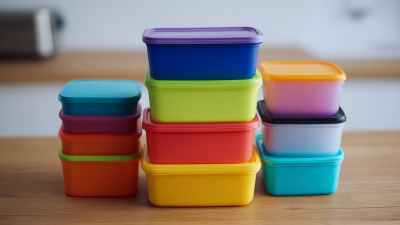
Think about space as well. Stacking containers saves room in cabinets. Airtight seals keep food fresh longer. If you're organizing supplies, smaller containers can minimize clutter. Make sure to assess durability too. Some plastics crack easily when dropped. Choosing high-quality materials matters for longevity.
Reflect on your habits when selecting containers. Do you often microwave food? Look for microwave-safe options. Are you planning to freeze items? Choose containers designed to withstand low temperatures. Understanding your routines can guide your choices. It’s about finding a balance between practicality and personal needs.
Plastic Container Usage by Type