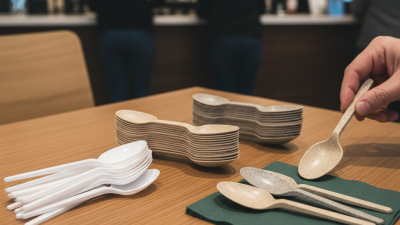

Leave Your Message
Food-service buyers are under pressure to reduce conventional plastic without compromising hygiene, heat resistance, or delivery performance. The OECD’s Global Plastics Outlook (2022) estimates that the world generated 353 million tonnes of plastic waste in 2019, with only 9% ultimately recycled. That figure explains growing interest in plant-fiber alternatives, but it does not prove that every substitute performs better across its full life cycle.
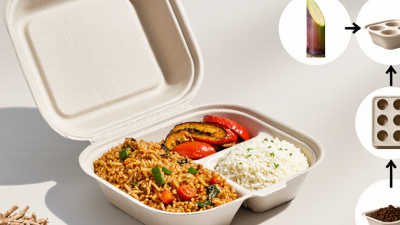
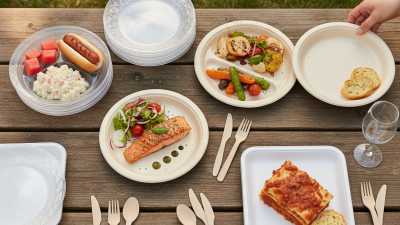
A Bagasse Food Container is molded from fibrous sugarcane residue left after juice extraction. It can suit takeaway meals, catering trays, and food counters where sturdy, disposable packaging is needed. Still, performance depends on details: wall thickness, lid fit, moisture resistance, and the coatings used. Small differences matter. A container that softens under a hot, saucy meal can create more waste, not less. This guide introduces leading bagasse food container manufacturers in China and the criteria buyers can use to assess them, including production capacity, quality controls, customization, and export experience. Claims should be checked against product specifications, test reports, and samples; a polished catalog is not enough. Supplier rankings also have limits, since factory data and product formulations can change. Treat this overview as a starting point, then verify the details that matter for your market and menu.
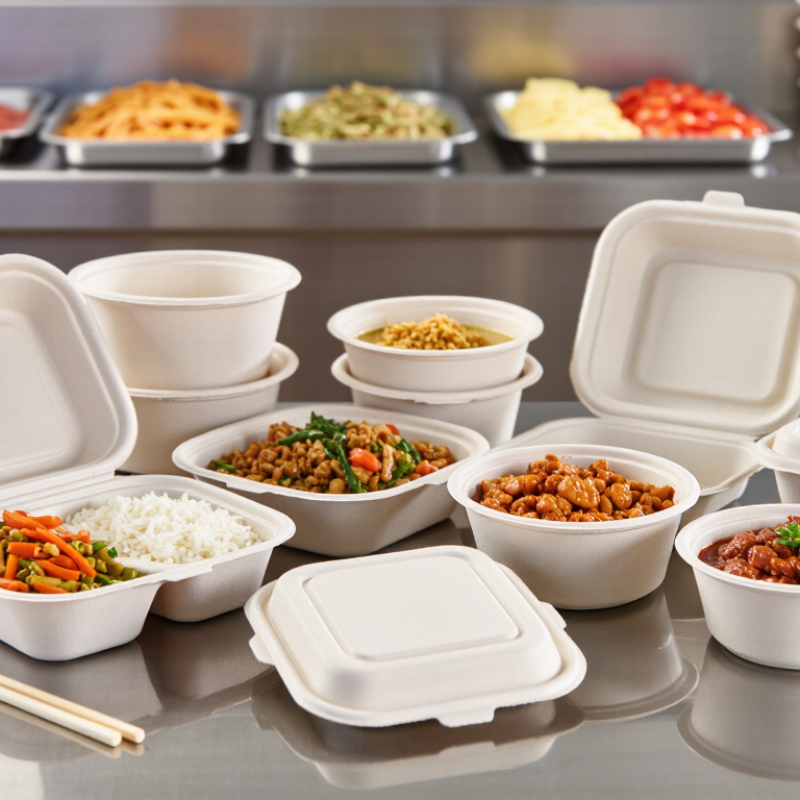
Bagasse is the fibrous material left after sugarcane stalks are pressed for juice. Instead of treating it only as a by-product, manufacturers can turn these fibers into trays, bowls, and takeaway boxes. The process begins with cleaning and pulping the fibers. Water helps separate them into a workable mixture. The pulp is screened to remove larger particles, though its texture can still vary with the raw material.
Next, measured portions of pulp are shaped in heated molds under pressure. Heat helps set the container’s form, while drying reduces excess moisture. Workers then trim rough edges and inspect the pieces for cracks, uneven walls, or weak corners. Small details matter. A thin rim may bend when holding a hot meal. The finished containers are commonly used for foods, but performance depends on their design and any added coatings. Buyers should check product specifications and relevant food-contact test documentation rather than assume every bagasse item behaves the same way. The manufacturing line can also produce imperfect pieces; tighter inspection helps, but no process is entirely free of variation.
| Topic or Evaluation Dimension | What It Means | How It Applies to Bagasse Containers | What Buyers Can Verify |
|---|---|---|---|
| Bagasse feedstock | Bagasse is the fibrous residue left after sugarcane stalks are crushed to extract juice. | The fibers can be processed into pulp and molded into plates, bowls, trays, and takeaway boxes. | Ask about fiber sourcing, incoming-material controls, and how the supplier manages pulp consistency. |
| Pulp preparation | Fibers are separated and mixed with water to create a workable pulp; screening helps remove unwanted material. | Pulp quality affects forming performance, surface appearance, and the consistency of finished products. | Review documented process controls and product specifications. Do not assume all products use identical pulp recipes. |
| Forming | Pulp is shaped in molds, commonly using vacuum-assisted molding to distribute fibers across the mold surface. | The mold determines the container’s shape, compartments, rim, and other design features. | Confirm available dimensions, mold tolerances, sample approval procedures, and whether custom tooling is required. |
| Pressing and drying | Formed fiber products are pressed and dried to achieve their final shape and reduce moisture. | Heat and pressure during molding can improve definition and rigidity; exact settings depend on the equipment and product. | Request product samples and check dimensional consistency, stiffness, and visible defects across production batches. |
| Trimming and finishing | Excess material may be trimmed, and products are inspected before packing. | Clean edges and consistent stacking can improve handling and packing efficiency. | Ask for inspection criteria covering edge finish, cleanliness, shape, and packing condition. |
| Food-contact suitability | Food-contact requirements depend on the intended market, product use, and applicable regulations. | Claims such as “food safe” should be supported by relevant documentation for the specific product and destination market. | Request applicable test reports or declarations and verify that they identify the product, materials, and intended use. |
| Performance claims | Resistance to hot foods, liquids, oil, or microwave use can vary by product design and any added treatments. | There is no single performance level that applies to every bagasse container. | Ask for test methods, conditions, and results for the exact item rather than relying on general claims. |
| Coatings and additives | Some molded-fiber products may use coatings or additives to change moisture or grease resistance. | These materials can affect recyclability, compostability, and suitability for particular applications. | Request a clear material and coating declaration, plus supporting certifications where relevant. |
| Compostability and disposal | Disposal outcomes depend on the product’s full composition and the facilities available where it is discarded. | A bagasse base alone does not establish that every finished container is certified compostable in every setting. | Check the scope and conditions of any certification, including whether it covers the finished product and its coatings. |
| Supplier comparison | A meaningful manufacturer comparison uses verifiable product, production, and compliance information. | Factory capability, quality systems, lead times, and documentation matter alongside price and design options. | Compare approved samples, written specifications, production capacity, quality records, and order terms. This table is not a ranked company list. |