What is Bagasse Clamshell and Why Choose It for Packaging?
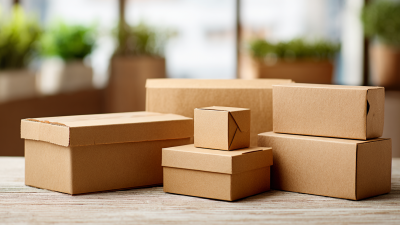
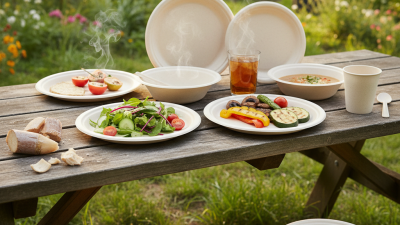
In recent years, sustainability has become a critical focus in packaging solutions. One innovative option is the Bagasse Clamshell. Made from sugarcane pulp, this biodegradable packaging is gaining traction among eco-conscious businesses. Its design offers versatility, making it suitable for various food items.
Choosing Bagasse Clamshell means prioritizing both environmental responsibility and functional design. The natural properties of bagasse provide strength while remaining lightweight. This makes it an excellent alternative to plastic. However, not all Bagasse Clamshells are created equal. Factors such as moisture resistance and insulation should be considered carefully.
While Bagasse Clamshells are a step toward sustainable packaging, they are not without challenges. Variability in quality and supply chain issues can affect reliability. Reflecting on these aspects is crucial for businesses looking to adopt this eco-friendly solution. All in all, Bagasse Clamshells represent a promising path toward reducing our packaging footprint.
Definition of Bagasse Clamshell and Its Composition
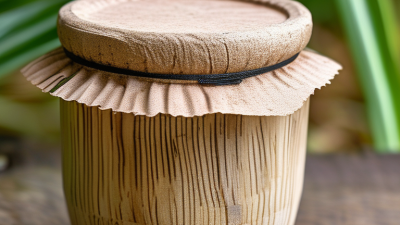
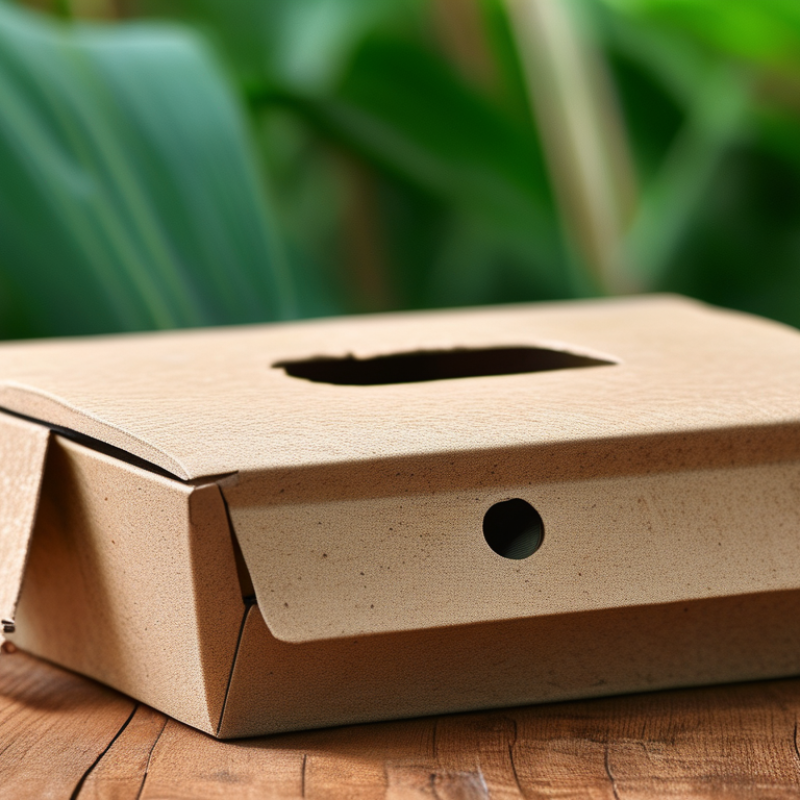
Bagasse clamshells are eco-friendly packaging solutions made from sugarcane by-products. This material is biodegradable and compostable, making it a sustainable choice. Bagasse is the fibrous residue left after extracting juice from sugarcane. The composition of bagasse is primarily cellulose, hemicellulose, and lignin, which contribute to its strength and durability.
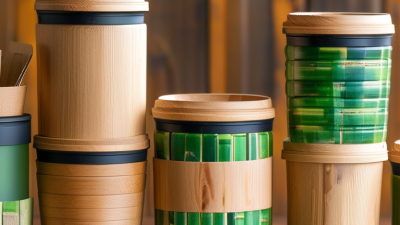
These clamshells are versatile. They can be used for food packaging, take-out containers, or even gift boxes. Bagasse clamshells offer a natural alternative to plastic. They help reduce plastic waste, aligning with environmental goals. The lightweight nature of bagasse makes it easy to transport and deploy.
When choosing packaging, consider the environmental impact. Research alternatives to traditional plastics. Bagasse clamshells may not be suitable for all types of food, especially those with high moisture content. Always test packaging materials to ensure they meet your needs.
Benefits of Using Bagasse Clamshell for Eco-Friendly Packaging
Bagasse clamshell packaging has emerged as a strong contender in eco-friendly solutions. Made from the fibrous remains of sugarcane, this material is biodegradable and compostable. Choosing bagasse means supporting sustainability while providing durable packaging options. The natural composition allows for easy disposal, leaving a minimal environmental footprint.
One significant advantage is its strength. Bagasse clamshells can protect food items during transport. They are sturdy enough to handle moist foods without leaking. This reliability promotes a positive experience for consumers. Additionally, bagasse is more resistant to grease than traditional paper products. This property makes it suitable for various culinary offerings, from takeout containers to food trays.
Despite its benefits, challenges remain. The production process can be more complex compared to other materials. Some manufacturers may lack the necessary technology to produce high-quality bagasse products. This inconsistency might lead to varying quality levels in the finished items. As the market for eco-friendly packaging grows, addressing these production barriers is crucial. Embracing bagasse clamshells can drive a more sustainable future, but continuous improvement in production practices is essential.
Comparison of Bagasse Clamshell with Traditional Packaging Materials
Bagasse clamshells are becoming a preferred choice in packaging, especially compared to traditional materials. Made from sugarcane pulp, they are biodegradable and compostable. This means they don't contribute to long-lasting waste. Traditional materials, like Styrofoam and plastic, dominate the market but are harmful to the environment. They take hundreds of years to decompose. Bagasse clamshells, on the other hand, break down quickly in natural environments.
Moreover, bagasse clamshells are sturdy and suitable for hot foods. Many food businesses appreciate their resilience and functionality. However, they can be more expensive upfront than plastic options. This is a consideration for businesses looking at cost-effectiveness. Balancing the initial investment with long-term environmental benefits is crucial. Bagasse clamshells may not be the perfect solution for every situation, but they provide a valid alternative worth exploring.
In terms of design, bagasse packaging can be appealing. Its natural appearance attracts eco-conscious consumers. Yet, there are challenges in sourcing and uniformity that manufacturers face. Not every producer can ensure consistent quality, which might lead to varying products. This inconsistency raises questions about reliability in the supply chain, making it essential to evaluate suppliers carefully.
Applications of Bagasse Clamshell in Various Industries
Bagasse clamshell packaging has gained popularity across various industries. It is made from sugarcane fibers, a sustainable resource. This eco-friendly option is an ideal choice for foodservice providers. Restaurants and cafes appreciate its compostability and biodegradability. They can serve meals without harming the environment.
In the agriculture sector, bagasse clamshells are used for packaging fruits and vegetables. Their sturdy design ensures that produce remains fresh and undamaged. The natural fibers allow for breathability, which is essential in preventing spoilage. Bakeries often utilize these clamshells for pastries and baked goods too. The material maintains the product's crispness while offering an appealing presentation.
Though bagasse clamshells are becoming more popular, some challenges exist. Not all manufacturers are familiar with this material's properties. There is a learning curve when integrating bagasse packaging into existing supply chains. Additionally, consumers may still be unaware of its benefits. Education about its environmental impact is necessary for wider acceptance. By addressing these issues, industries can fully embrace the advantages of bagasse clamshell packaging.
Sustainability and Environmental Impact of Bagasse Packaging
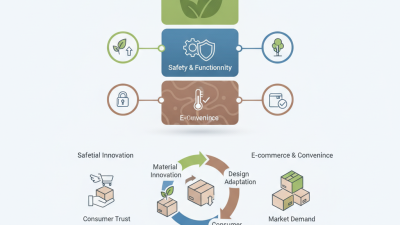
Bagasse packaging is gaining momentum in sustainable practices. Made from leftover sugarcane fibers, bagasse is a fully compostable material. This eco-friendly option reduces waste and safeguarding natural resources. When using bagasse clamshells, consumers contribute to a circular economy. They help minimize reliance on plastic, which is a significant environmental burden.
The environmental impact of bagasse packaging is notably positive. It decomposes naturally, enriching the soil instead of contributing to landfills. Additionally, the production of bagasse requires less energy compared to conventional materials such as plastic. This can lead to lower greenhouse gas emissions. Many businesses have begun to recognize these benefits, but challenges remain in mass adoption.
Consider exploring local suppliers that offer bagasse products. This not only supports your community but also reduces transportation emissions. Educating yourself about the lifecycle of packaging materials can help make informed decisions. Keep an eye on certifications that guarantee sustainability. Being mindful of your choices is crucial in today's eco-conscious world.