
Leave Your Message
A clear clamshell can make a product easier to see, handle, and protect. But “clamshell” describes a format, not one material or use. In 2026, buyers may encounter clear PET packages for fresh produce, sturdy hinged containers for takeaway meals, molded-fiber designs, and reusable options. The differences show up in real details: a berry’s ventilation holes, a bakery lid’s snap closure, or the way a container stacks on a crowded shelf.
Packaging researcher Dr. Susan Selke’s work offers a useful reminder: evaluate packaging as part of a wider system, not by appearance alone. That is a paraphrase of her broader work, not a direct quotation. It matters. A container that protects food well may still raise questions about material use, sorting, or local recovery options. Those trade-offs deserve a closer look.
This guide compares the top Clamshell Container types by material, product fit, visibility, closure, and practical handling. It also considers where each design can fall short. A lightweight lid may flex. A strong hinge may add material. Real-world performance depends on the product, the packing line, and what happens after use. There is no perfect option. The right choice is the one that meets the job without pretending trade-offs disappear.
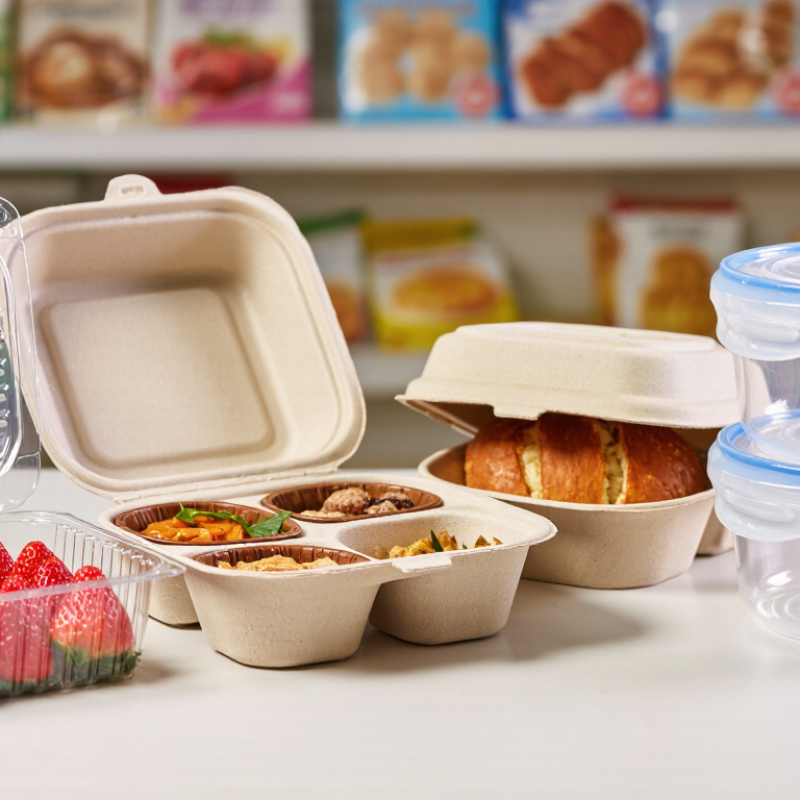
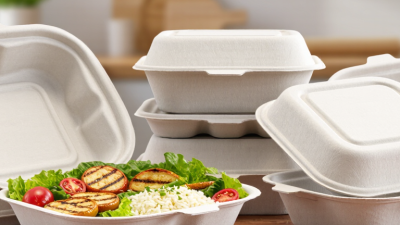
A clamshell container has two connected halves that close around a product, usually with a hinge and a snap, tab, or lock. Classification starts with material: clear PET or other plastics show the contents, while molded fiber and paperboard offer opaque alternatives. PlasticsEurope’s Plastics – the Fast Facts 2024 reports 413.8 million tonnes of global plastics production in 2023. That figure covers all plastics, not clamshells specifically, so it provides context rather than a market-size estimate.
Design and function create another useful classification. Hinged clamshells suit berries, bakery items, and small retail goods; two-piece packs use separate lids and bases. Vented versions release moisture, while tighter closures help limit spills or contamination. The categories overlap. A produce pack can be both hinged and vented. Small details matter: check hinge strength, closure fit, visibility, and whether vents match the product’s moisture needs. The U.S. EPA’s Advancing Sustainable Materials Management report estimated that containers and packaging made up 28.1% of U.S. municipal solid waste generation in 2018. It does not isolate clamshells, but it highlights why material choice and end-of-life handling deserve attention alongside shape. A neat-looking pack is not automatically easy to recycle locally.
| Clamshell type | How it is classified | Typical materials | Common uses | Practical considerations |
|---|---|---|---|---|
| One-piece hinged clamshell | Two connected halves with an integral hinge and a closure feature. | PET, rPET, PP, molded fiber, or coated paperboard. | Takeout meals, bakery items, produce, and small retail goods. | Quick to close and easy to handle. Recyclability depends on material, local collection systems, and any coatings or attached components. |
| Two-piece clamshell | Separate base and lid, usually joined by a snap, tab, or other closure rather than an integral hinge. | Clear plastics, molded fiber, or formed paperboard. | Bakery assortments, prepared foods, and products needing a removable lid. | The lid can be removed independently, but separate parts may be easier to lose and can complicate sorting when made from different materials. |
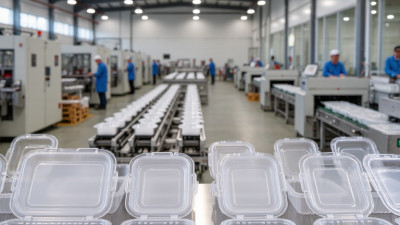
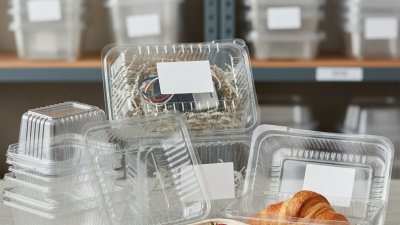
| Thermoformed clear-plastic clamshell | A thin plastic sheet is heated and shaped in a mold; the lid and base are commonly formed as one piece. | PET or rPET; PP is used for some designs and applications. | Fresh produce, baked goods, deli items, and display packaging. | Transparency supports product visibility. Suitability for hot or oily foods varies by resin and design; check food-contact and temperature specifications. |
| Molded-fiber clamshell | A fiber mixture is shaped in a mold into a hinged or separate-lid container. | Recycled paper fiber, wood pulp, or other plant fibers; some products include barrier treatments. | Takeout meals, produce, and food-service packaging. | Often opaque and relatively rigid. Grease or moisture resistance depends on the product; compostability is not automatic and must be verified for the specific item and local facilities. |
| Paperboard clamshell | Folded or die-cut paperboard forms a hinged box-like enclosure, sometimes with a locking tab. | Paperboard, sometimes with a window film or moisture-resistant coating. | Bakery goods, sandwiches, snacks, and lightweight retail products. | Can provide printable surfaces and stackable shapes. Windows, laminations, and coatings may affect recycling options. |
| Ventilated produce clamshell | A clamshell designed with openings or vents to support airflow around fresh produce. | Typically PET or rPET; fiber options are also available. | Berries, cherry tomatoes, and other delicate produce. | Vent placement and opening area affect airflow and moisture behavior. This is a functional design category and can overlap with material-based categories. |
| Recycled-content plastic clamshell | Classified by the inclusion of recycled resin rather than by shape; it may also be hinged, two-piece, or ventilated. | Often rPET; recycled content and suitable applications vary by product and regulations. | Produce, bakery, and other packaging where a clear plastic format is suitable. | Verify the stated recycled-content percentage and food-contact suitability. Recycled content does not by itself establish local recyclability. |
Note: Clamshells can be classified by closure design, material, manufacturing process, or intended use. These categories can overlap; actual performance and end-of-life options depend on the specific product and local requirements.