In 2026, choosing Deli Containers means matching the package to the food, service style, and storage routine. Clear containers show layered salads, fruit, or chilled pasta at a glance. Sturdy polypropylene tubs may suit soups and prepared meals, while PET often stands out for visibility. Paperboard bowls and fiber-based formats offer another look, but coatings and moisture resistance deserve a closer check. Small details matter. Lid fit, stack stability, portion size, and condensation can affect daily handling more than a product photo suggests.
This guide compares deli container types likely to matter in 2026, including round tubs, rectangular bases, hinged packs, and fiber options. It considers common uses, strengths, and trade-offs rather than treating material labels as guarantees. Microwave, freezer, and leak performance depend on the exact design, lid, and supplier specifications. Check those details before ordering in volume. Not every “eco” choice fits every menu; sometimes the better option is simply the container that prevents spills and keeps food appealing. That is worth admitting. The sections ahead help operators, caterers, and buyers weigh visibility, durability, storage, and cost through practical questions. Some choices still involve compromise.
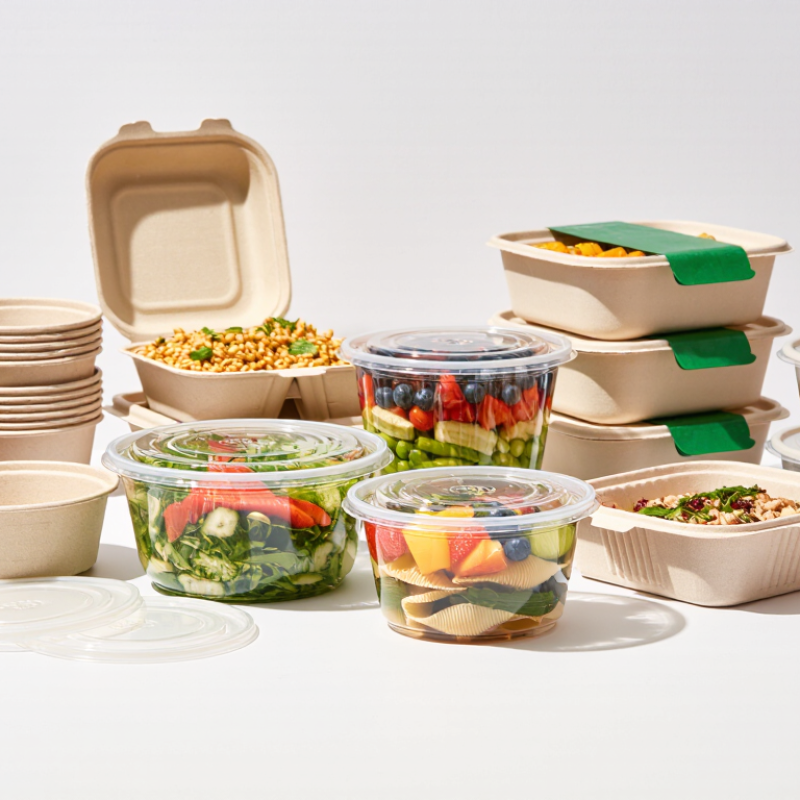
Deli containers are easiest to compare by material and design. Clear PET helps customers see salads, fruit, and layered desserts. Polypropylene (PP) tolerates warmer foods better, though actual heat limits depend on the container’s specifications. Paperboard tubs suit foods such as soup or pasta, often with a lining to resist moisture and grease. Foam containers are lightweight, but their insulation and recycling options vary by local facilities. Material affects more than appearance. It influences clarity, rigidity, leakage risk, and how a pack performs in a chilled display.
Design is the second useful classification. Hinged clamshells keep a lid attached, while separate-lid tubs are common for soups, sides, and prepared salads. Compartment trays keep sauces away from crisp ingredients. Lids matter, too. A tight rim can reduce spills in a delivery bag, but it may be harder to open quickly at a counter. The U.S. Environmental Protection Agency reported that containers and packaging generated 82.2 million tons of municipal solid waste in 2018, or 28.1% of the total. That figure covers all packaging, not deli containers alone. Still, it puts disposal choices in perspective. A container’s material label does not guarantee local recyclability, and that distinction is easy to overlook. Small details matter.
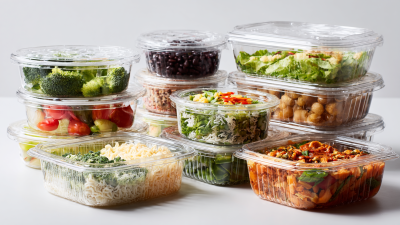
What Are the Top Deli Container Types in 2026?
Clear plastic deli containers remain useful for food storage and display because staff can identify contents without lifting a lid. Round tubs suit soups, pasta salads, and sauces; rectangular containers make stacked sandwiches and sliced foods easier to arrange. Look for secure, even-fitting lids and sizes that match typical portions. A lid that leaks in a delivery bag is a small failure with a messy result.
Material matters. Clear polypropylene containers are commonly chosen for their light weight and visibility, while PET offers a crisp display for chilled foods. Always check the manufacturer’s temperature and reuse guidance; clear does not mean suitable for every heating method. The FDA Food Code 2022 recommends cold holding at 41°F (5°C) or below. USDA estimates that 30–40% of the U.S. food supply is wasted, but packaging alone cannot prevent spoilage. Good date labeling and steady refrigeration matter too.
Tips: Match container depth to the food, leave room for the lid, and label each container with its contents and preparation date. Test one filled container before ordering in bulk. A perfect-looking stack can still be awkward to open.
| Container type | Typical capacity range | Clarity and display | Common uses | Practical considerations |
|---|---|---|---|---|
| Clear polypropylene (PP) round deli container | About 8–32 oz | Usually translucent to clear; suitable for identifying contents | Soups, sauces, sides, salads, and meal prep | Many PP containers are designed for reheating, but microwave suitability and temperature limits depend on the specific product. Check its instructions. |
| Clear PET round deli container | About 8–32 oz | High transparency for prominent product display | Cold salads, fruit, dips, desserts, and chilled foods | PET is commonly selected for cold-food presentation. Do not assume it is suitable for microwave use; follow the product’s labeling. |
| Clear rectangular PP food container | About 16–64 oz | Translucent to clear, with a broad viewing area | Prepared meals, pasta salads, cut vegetables, and larger sides | The rectangular shape can make shelf arrangement and stacking efficient. Confirm lid fit and heating guidance for the exact container. |
| Clear PET hinged-lid container | Varies by shape and compartment layout | High transparency; contents are visible from the top and sides | Sandwiches, baked goods, fruit, and ready-to-eat deli portions | The attached lid is convenient for serving and takeaway. Check closure security and intended temperature range before use. |
| Clear OPS (polystyrene) container | Varies by container style | Often very clear, supporting front-of-house display | Cold deli portions, salads, and display cases | OPS can be more brittle than some alternatives. Check local recycling guidance and the product’s food-contact and temperature specifications. |
| Clear PLA container | Varies by container style | Clear appearance for cold-food presentation | Cold salads, fruit, and other chilled grab-and-go foods | PLA products are generally intended for specific conditions and may require commercial composting facilities. Verify temperature limits and local disposal options. |
Capacity ranges and performance vary by product. For food storage, reheating, stacking, and disposal, follow the container and lid manufacturer’s instructions.
For hot foods and meal prep, the best deli container is one that matches the job. Polypropylene containers are lightweight and commonly available with microwave-safe labeling, but not every plastic tub or lid is suitable for reheating. Glass containers handle repeated heating well, though they add weight to a work bag. Check the base and lid separately. That detail matters.
Choose a container with enough headroom for soup, curry, or sauced pasta, and leave the lid vented or slightly ajar when reheating if its instructions allow. Use short heating intervals and stir halfway through to reduce cold spots. The U.S. FDA advises following microwave-use instructions on food-contact containers; a container that holds leftovers is not automatically microwave-safe. Still, labels are easy to overlook.
Good portioning can also make meal prep more practical. The USDA Economic Research Service estimates that 30–40% of the U.S. food supply is wasted. A well-sized container may help keep planned portions visible and leftovers easier to store, though packaging alone cannot prevent waste. For crisp salads, keep dressing separate; for hot meals, let steam escape before sealing for storage. A small leak can ruin a lunch bag. Check for warping, cracks, or loose-fitting lids, and replace damaged containers.
Typical microwave suitability varies by material and product. A score of 1 means microwave-safe versions are commonly available, 0.5 means suitability varies, and 0 means the material is generally not recommended for reheating.
These are general material-based guidelines, not a guarantee for every container. Check the container’s microwave-safe label and follow its heating instructions.
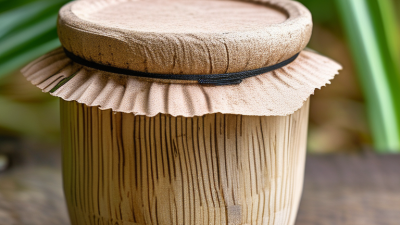
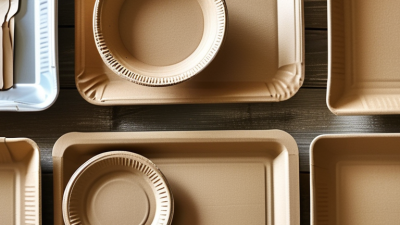
Paperboard tubs suit chilled pasta, cut fruit, and saucy sides when their barrier lining resists leaks. Molded-fiber bowls feel sturdy in hand and use a textured, natural-looking surface. Compostable containers may be made from plant-based materials, but “compostable” describes disposal conditions, not what happens in every bin. That matters.
The U.S. Environmental Protection Agency’s 2018 materials report puts paper and paperboard recycling at 68.2% overall.
European Bioplastics and nova-Institute reported 2.18 million tonnes of global bioplastics production capacity in 2023, with packaging representing 43.5% of applications.
That figure does not mean greasy, food-soiled deli tubs are accepted locally; coatings and residue can complicate sorting. Those figures cover many packaging uses, not deli containers alone. So treat them as context, not proof of local demand.
For a lunch counter, test containers with real portions: a cold, oily pasta salad can expose leaks that water misses. Check whether lids stay secure during stacking, and confirm the exact container is accepted by your local collection service.
Compostable packaging needs suitable collection and processing to deliver its intended benefit. Not always available.
A practical choice may still involve trade-offs: a barrier coating can improve performance while making end-of-life sorting harder.
Reusable deli containers are useful when a kitchen needs dependable storage, quick portioning, and repeated use. Rigid polypropylene tubs are light, stack neatly, and make contents easy to see. They suit chopped vegetables, sauces, grains, and prepared salads. Check the container’s care instructions before using it in a microwave or commercial dishwasher; not every design handles the same heat.
Glass containers resist lingering odors and stains, which helps when storing tomato sauce or strongly seasoned foods. They are heavier, though, and can chip if handled roughly. Stainless steel is durable and blocks light, but staff cannot see the contents without opening the lid. Small details matter. A lid that seals securely helps prevent leaks during transport, while straight sides make scraping out thick dips easier.
Choose a type by matching it to the daily routine, not just the purchase price. Consider portion size, shelf space, washing frequency, and whether staff need to identify food at a glance. For a crowded prep station, stackable tubs with consistent dimensions can save space. For frequent travel, test the closure with a little water before relying on it for liquids. No container is perfect. Even a durable tub may need replacing when its lid warps or its surface becomes deeply scratched, so inspect both regularly.