Leave Your Message

What Are the Top Plastic Food Container Types for 2026?

What Are the Top Plastic Food Container Types for 2026?

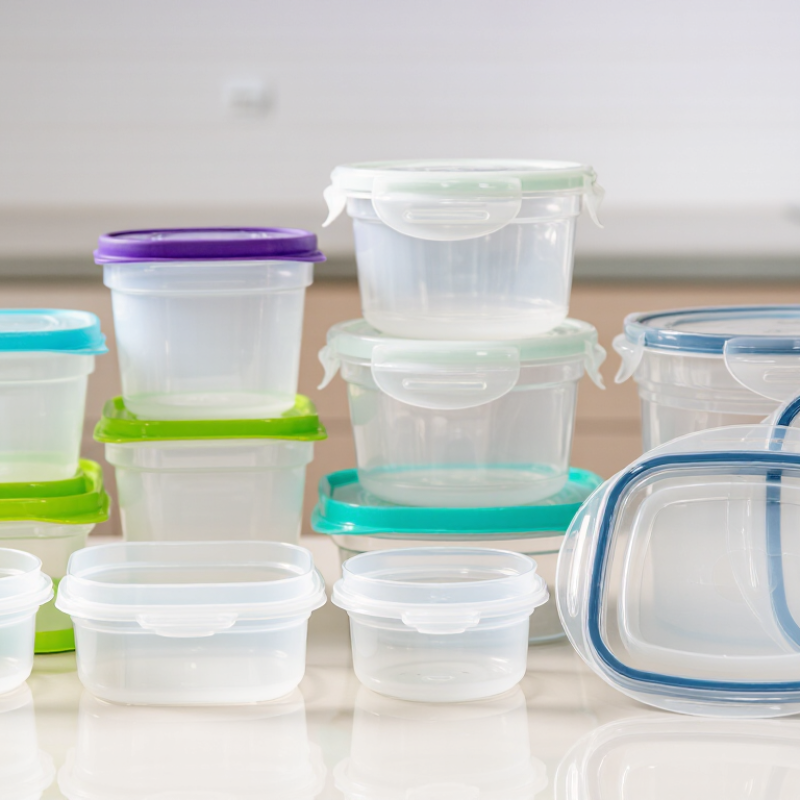
Plastic Food Containers are becoming more specialized, not simply more colorful. In 2026, shoppers will compare material safety, sealing performance, reusability, and end-of-life options. A container must survive a refrigerator drawer, a lunch bag, and repeated washing. Small details matter. A warped lid can ruin meal preparation.

Dr. Susan E. M. Selke, a respected packaging researcher and author, has said, “Packaging must protect the product while minimizing its environmental burden.” This principle remains highly relevant. The leading options include polypropylene containers for everyday meals, high-density polyethylene tubs for storage, and Tritan-style copolyester containers for clear, durable designs. Silicone-sealed lids can reduce leaks, although seals collect residue when cleaning is rushed.

Material choice is only part of the decision. Buyers should examine microwave guidance, temperature limits, dishwasher instructions, and visible wear. Not every container suits every food. Tomato sauce may stain lighter plastics, while oily meals can leave odors behind. I have found that a modest container set often performs better than a crowded drawer of mismatched pieces.

That assumption deserves testing.

The strongest 2026 designs may combine stackable shapes, replaceable lids, recycled content, and transparent labeling. However, recycled plastic quality can vary between products. Marketing language can also sound more precise than it is. This guide compares the main Plastic Food Containers types through practical use, food-contact considerations, durability, and sustainability. The goal is not to name one universal winner. It is to identify the right container for each kitchen routine.
What Are the Top Plastic Food Container Types for 2026?

Key Factors for Choosing Plastic Food Containers in 2026

In 2026, polypropylene remains a practical choice for meal-prep containers. It handles routine reheating better than many general-purpose plastics. High-density polyethylene suits dry foods, sauces, and sturdy pantry storage. Polyethylene terephthalate offers clarity, but it is less suitable for repeated heating. Material labels matter more than attractive shapes.

Food-contact compliance should guide every purchase. The U.S. FDA Food Code emphasizes cleanable, durable, and non-toxic food-contact surfaces. Check the container’s temperature range, microwave guidance, and lid compatibility. A tight seal prevents leaks, but it cannot replace refrigeration. I still see people judging safety by thickness alone. That is an unreliable shortcut.

Durability also has an environmental cost. The OECD Global Plastics Outlook reports 353 million tonnes of plastic waste in 2019, with packaging representing about 40 percent. Choose containers that resist cracking, staining, and odor retention. Clear walls help inspection, while square designs often use cabinet space better. Reusable options should survive frequent washing, not merely look premium. Avoid heavily scratched surfaces. They are harder to clean.

A small mistake matters. Buying too many sizes creates unused clutter. Choose a few useful capacities, readable volume marks, and replaceable lids when available. Verify local recycling instructions, because accepted plastic types differ between collection systems.
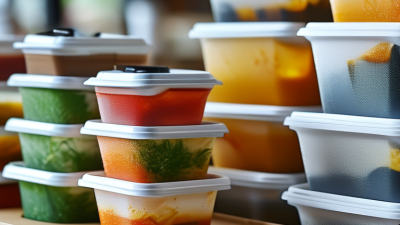

How Different Plastic Container Types Compare

Polypropylene, or PP, remains a practical choice for reheatable food containers in 2026. It tolerates moderate heat and repeated handling better than many flexible plastics. However, “microwave-safe” depends on the finished container, not the resin alone. A thin lid may warp while the base stays firm. I have seen this mismatch create messy leaks.

High-density polyethylene, or HDPE, offers strong impact resistance and reliable moisture protection. It suits cold meals, sauces, and bulk food storage. Its opaque appearance hides contents, which can be inconvenient in busy kitchens.

Polyethylene terephthalate, or PET, provides clearer visibility and good stiffness. It works well for chilled foods, but heat exposure can deform it.

Low-density polyethylene, or LDPE, is softer and more flexible. That helps with squeezable packs, yet it provides less structural support.

The market context also matters. PlasticsEurope reported 413.8 million tonnes of global plastics production in 2023. The OECD estimated that only 9% of plastic waste was recycled globally in 2019. These figures make material selection more important than appearance alone. A durable PP container may outperform a cheaper alternative when reused carefully. Still, reuse claims need caution. Scratches, odors, and cloudy surfaces can signal replacement time. Recycling labels also vary by region, and a technically recyclable container may not be accepted locally. The best comparison considers food temperature, seal quality, cleaning habits, and actual collection access.

Reusable Plastic Containers for Everyday Food Storage

What Are the Top Plastic Food Container Types for 2026?

Reusable plastic containers are becoming practical tools for everyday food storage, not just lunch boxes. A 2024 Grand View Research report identifies household food storage as a major application in the plastic food container market. Polypropylene containers suit reheating because they tolerate moderate heat and repeated washing. High-density polyethylene containers work well for cold meals, grains, and pantry ingredients. They are lightweight and resist many household impacts.

Look for straight walls, secure lids, and visible fill lines. Those details matter when storing soup or carrying sliced fruit. A tight seal also reduces spills inside a work bag. However, not every container should enter a microwave. Check the manufacturer’s temperature guidance, especially when food contains oil. Polyethylene terephthalate containers are generally better for cold storage than high-heat use. I have found that shallow containers cool leftovers faster and make portions easier to track.

Durability deserves closer attention. The OECD’s Global Plastics Outlook reported 353 million tonnes of plastic waste in 2019, with only 9% recycled. Reuse can reduce replacement frequency, but it is not automatically sustainable. A scratched, warped container may hold odors and clean poorly. Replace it when the surface becomes damaged. Small choices help. Buying compatible lids, washing containers promptly, and avoiding unnecessary single-use packaging can extend daily use. The practical mistake is choosing the largest set, then leaving half of it unused.

What Are the Top Plastic Food Container Types for 2026?

Typical density ranges help distinguish common reusable plastic types used for everyday food storage. Lower-density plastics are generally lighter, while higher-density plastics tend to feel more rigid.

Values are typical material-density ranges in grams per cubic centimeter. Actual container performance depends on thickness, additives, design, and the manufacturer’s food-contact and temperature instructions.

Specialized Containers for Meal Prep, Freezing, and Microwave Use

What Are the Top Plastic Food Container Types for 2026?

For meal prep, stackable polypropylene containers remain practical and durable. They handle repeated washing and daily temperature changes well. Choose matching sizes for grains, vegetables, sauces, and protein portions. Clear walls help identify leftovers quickly. Tight lids reduce spills, but they should not be forced closed over hot food. I have found that shallow containers cool meals more evenly than deep ones. That small detail makes busy weekday storage easier.

Tips: Select containers marked for freezer and microwave use. Leave space near the lid because food expands when frozen. For microwave heating, loosen or vent the lid to release steam. Avoid heating oily foods for long periods, since hot oil can raise surface temperatures quickly. Use short heating intervals and stir between them. Let the container cool before washing it. This reduces sudden temperature stress. Very simple.

Freezer containers need flexible walls and secure seals. They should resist cracking when food becomes solid. For soups, choose wider containers with straight sides. Frozen food then releases more easily.

Microwave-friendly containers are useful for reheating rice, vegetables, and prepared meals. However, “microwave-safe” does not mean unlimited heating. Follow the manufacturer’s instructions and replace containers with deep scratches, warping, or cloudy surfaces.

I sometimes keep too many mismatched lids, which wastes space and creates avoidable frustration. A consistent set usually works better, though not perfectly.

Safety, Sustainability, and Future Trends in Plastic Food Containers

What Are the Top Plastic Food Container Types for 2026?

Safety, sustainability, and future trends are reshaping plastic food containers. Reusable polypropylene containers remain practical for hot meals because they tolerate repeated washing and moderate heat. High-density polyethylene suits cold storage, while polyethylene terephthalate works well for clear, lightweight containers. Each type needs food-contact testing, especially for acidic foods, oils, and microwave use. “Food grade” alone is not enough. Manufacturers should verify migration limits, temperature instructions, and closure durability through documented testing.

The environmental calculation is less simple. The OECD’s Global Plastics Outlook (2022) reported 353 million tonnes of plastic waste in 2019, with only 9% recycled. A durable container helps only when people reuse it many times. Not always. A thin, recyclable container may use fewer materials, but frequent replacement can increase waste. UNEP’s Turning off the Tap report (2023) identifies reuse systems as a major pathway for reducing plastic pollution by 2040. Still, washing requires water and energy, creating a trade-off often missed in product claims.

By 2026, leading designs will likely use fewer mixed materials, clearer recycling labels, and higher recycled content where safety rules permit. Smart tracking may measure actual reuse instead of assumed reuse. That distinction matters. Future containers should be stackable, leak-resistant, and easy to separate from lids and seals. My practical concern is durability: an attractive container that cracks after a few months is not sustainable, regardless of its material.

What Are the Top Plastic Food Container Types for 2026? - Safety, Sustainability, and Future Trends in Plastic Food Containers

Comparison of common plastic food-container materials
Material Type Resin Identification Code Typical Food-Container Uses Key Safety Characteristics Heat and Cold Performance Reuse Potential Recycling and Sustainability Profile Relevant 2026 Trend
Polypropylene (PP) #5 Meal-prep boxes, reusable storage tubs, takeaway containers, yogurt cups and microwaveable food packaging. Widely used for food contact because it is chemically resistant and does not readily absorb water. Use only products made and labeled for food contact. Generally one of the better plastic choices for microwave use when specifically labeled microwave-safe. Suitable grades can tolerate refrigeration and freezing; avoid exceeding the product instructions. High for rigid, durable designs. Replace when deeply scratched, cracked, warped or permanently stained. Recyclability is technically established, but collection for #5 plastics varies substantially by location. Lightweight reusable designs can reduce single-use packaging when used repeatedly. More durable reusable systems, higher recycled-content targets and improved sorting of rigid polypropylene packaging.
High-Density Polyethylene (HDPE) #2 Milk and juice containers, food-storage bottles, larger tubs, freezer containers and moisture-resistant packaging. Strong, moisture-resistant and relatively inert for many food applications. It has good resistance to many household chemicals and food acids. Performs well in cold and freezer applications when the container is designed for them. Microwave use is not universal and requires explicit labeling. Moderate to high for rigid containers. Repeated heating, abrasion and deformation may shorten service life. #2 is commonly collected in recycling programs, although actual acceptance depends on local infrastructure. Recycled HDPE is widely used in new non-food and some regulated food-packaging applications. Greater use of post-consumer recycled content, lightweighting and designs that use fewer labels, caps or mixed materials.
Polyethylene Terephthalate (PET) #1 Clear beverage bottles, salad containers, produce trays, deli packaging and transparent chilled-food containers. Clear, lightweight and effective as a barrier for many foods and beverages. It is generally intended for its specified use and should not be treated as a universal hot-food container. Well suited to refrigerated and room-temperature foods. Standard PET containers are generally not intended for microwave heating or high-temperature filling unless specially designed and labeled. Usually moderate for rigid containers; repeated washing, heat exposure and scratching can reduce clarity and performance. One of the most widely collected plastic packaging types in many regions. Bottle-to-bottle recycling is possible where suitable collection and food-contact recycling systems exist. Higher recycled PET content, deposit-return systems, improved label separation and packaging designed for mechanical recycling.
Low-Density Polyethylene (LDPE) #4 Flexible pouches, freezer bags, bread bags, liners, squeezable food packaging and flexible lids. Flexible, moisture-resistant and suitable for many food-contact applications when manufactured for that purpose. Thin films can be more vulnerable to punctures and contamination. Useful in refrigerated and frozen applications when labeled accordingly. Heat tolerance is limited and varies by film thickness and formulation. Generally lower than rigid PP or HDPE because flexible films can retain food residue and are more difficult to clean thoroughly. Often not accepted in standard curbside recycling. Store drop-off or dedicated film-recycling programs may be available, but access and end markets vary. More recyclable mono-material films, reduced packaging weight and collection programs designed specifically for flexible plastics.
Polystyrene (PS) #6 Disposable cups, trays, takeout boxes, meat trays and protective food-service packaging. Lightweight and insulating, but disposable foam products are more prone to breakage and are increasingly restricted in some jurisdictions. Follow food-contact and temperature instructions. Suitable performance depends on whether the product is solid or expanded foam. It is generally not a preferred material for high-temperature foods or microwave heating unless specifically labeled. Low, particularly for expanded foam formats that are difficult to clean and easily damaged. Recycling is limited in many municipal systems, especially for foam. Low density increases collection and transport challenges. Substitution with reusable systems, fiber-based formats and recyclable single-material alternatives where regulations or waste-management goals encourage change.
PLA and Other Compostable Bioplastics Often #7 or no universal resin code Cold-food cups, clear produce packs, food-service containers and short-life packaging. Can be suitable for food contact when certified for that use. “Bio-based” describes the feedstock and does not automatically mean home-compostable or safer. Many PLA products have limited heat resistance and are primarily intended for cool or room-temperature foods. Product-specific limits are essential. Usually low to moderate; performance depends on the formulation and whether the item is designed for repeated washing. Industrial composting is often required, and these materials may contaminate conventional plastic-recycling streams if incorrectly sorted. Local facilities determine the real end-of-life result. Clearer compostability labeling, improved collection infrastructure and development of higher-heat bioplastics with verified life-cycle benefits.
Multilayer and Barrier Plastic Structures Usually #7 or mixed/unspecified Retort pouches, high-barrier trays, vacuum packs and packaging for foods requiring extended shelf life. Provides strong protection from oxygen, moisture and light, helping preserve food quality. Food-contact suitability depends on the complete structure and intended use. Can offer excellent barrier and thermal performance, but heating suitability varies widely. Use only according to the package instructions. Typically low because layers, seals and embedded components complicate cleaning and repeated use. Multimaterial construction can make mechanical recycling difficult. Some newer mono-material barrier structures are being developed to improve recyclability. Shift toward recyclable mono-material barrier packaging, reduced material thickness and better recovery of post-consumer packaging.
Important usage note: Safety and temperature performance depend on the exact formulation, additives, manufacturing process and container design. Always check the food-contact, microwave, dishwasher and freezer symbols or instructions supplied with the individual product. Recycling symbols identify the resin family; they do not guarantee that a local recycling program accepts the item.
Overall 2026 direction: The market is expected to prioritize durable reuse, recycled content, simpler mono-material designs, improved collection systems, lower material use and more transparent end-of-life labeling. A reusable container can provide the greatest environmental benefit when it is used many times and cleaned efficiently.