Ultimate Tips for Choosing the Best Paper Cup for Your Needs?
Choosing the right paper cup can be a challenging task. Many factors come into play. You must consider the purpose, material, and design. Paper cups are not just simple containers. They hold the potential to enhance your beverage experience.
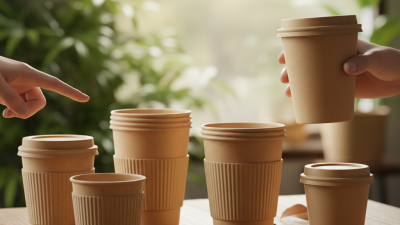
Quality matters when picking a paper cup. Look for options that maintain temperature well. A flimsy cup can ruin your drink. Customers appreciate sturdy cups that keep their beverages hot or cold for longer. Consider the environmental impact too. Eco-friendly paper cups are gaining popularity. They attract consumers who care about sustainability.
Your choice will reflect on your brand. Aesthetics cannot be ignored. Custom designs can make your cups stand out. Think about colors, logos, and sizes. However, balancing design with functionality is crucial. A beautiful cup can be useless if it spills. Reflecting on these aspects will guide you to the perfect paper cup.
Understanding the Different Types of Paper Cups Available in the Market
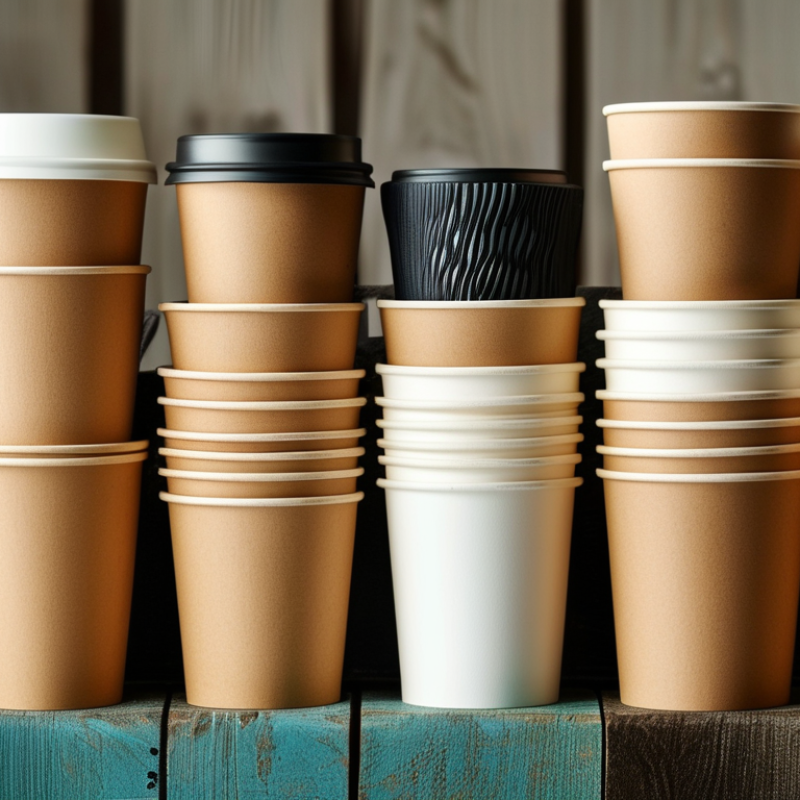
When choosing a paper cup, it's essential to understand the various types available on the market. There are single-wall and double-wall options, each suited for different purposes. Single-wall cups are lightweight and cost-effective. However, they may not insulate hot beverages well. Double-wall cups provide better thermal insulation, making them ideal for hot drinks. They are sturdier but can be pricier.
Beyond insulation, consider the cup's material. Some cups are coated with a wax or polyethylene layer. This coating improves durability and makes them leak-resistant. However, it can make recycling more challenging. Look for biodegradable or compostable options if environmental impact is a concern. Not all paper cups are created equal; some may not decompose properly.
Consider the size and design as well. Paper cups come in various capacities, from small espresso cups to large coffee cups. The design can influence user experience. A well-designed cup can enhance branding or promote customization. It's worth noting that not every design will suit your needs. Testing different options pre-purchase can prevent future dissatisfaction.
Evaluating Material Quality: Factors that Affect Paper Cup Durability
When selecting a paper cup, evaluating material quality is crucial for durability. The paper's weight, thickness, and coating directly influence its strength. According to a study by the American Forest & Paper Association, the density of paper affects its ability to hold liquids without leaking. Cups made from heavier stock can withstand heat better and resist punctures.
Another key factor is the type of coating. Many paper cups use polyethylene, which offers a barrier against moisture. However, this can compromise recyclability. Research indicates that 70% of consumers prefer eco-friendly options, pushing manufacturers to explore alternatives. Strength, while important, should not overshadow the need for sustainable materials.
In addition, inspections during manufacturing can highlight inconsistencies in strength and shape. A poorly sealed cup will not only leak but can also result in product waste. A report from the World Wildlife Fund shows that about 5% of paper cups fail quality tests, emphasizing the importance of rigorous quality control. An informed decision must balance durability and environmental impact.
Sizing Matters: How to Choose the Right Paper Cup Capacity
Choosing the right paper cup capacity is crucial for any event. It’s essential to align the size of your cups with the type of beverages you plan to serve. A proper fit ensures customer satisfaction and reduces waste. For example, a small espresso might require a 4 oz cup, while a large cold drink could be best suited for a 16 oz cup.
Consider the audience and occasion as well. A party with children might need smaller cupcakes or milk servings, while a corporate event may favor larger cups for coffee. Paying attention to these details can enhance the experience. However, it's not always easy to make such choices. Sometimes, oversizing can lead to unnecessary waste, both in materials and beverages.
Finding the middle ground is an art. It involves a trial-and-error approach. Evaluate what worked and what didn’t at past events. Ask for feedback. This reflection helps refine your selections over time. Each choice you make contributes to an overall experience that speaks to your brand's commitment to quality. Be patient with the process.
Ultimate Tips for Choosing the Best Paper Cup for Your Needs
Eco-Friendliness: Selecting Sustainable Options for Paper Cups
When selecting paper cups, eco-friendliness plays a crucial role in sustainable choices. Traditional paper cups often have a plastic lining, making them hard to recycle. According to a 2022 study by the Environmental Paper Network, only 1% of paper cups end up being recycled. This highlights the need for more sustainable options in the market.
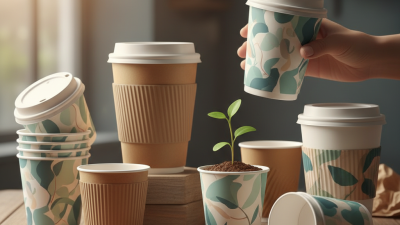
Consider cups made from compostable materials. These are designed to break down naturally and reduce landfill waste. Some brands offer cups that use plant-based linings, making them more environmentally friendly. The industry trend shows a significant rise in demand for such alternatives, with a projected increase of 15% annually over the next five years.
When choosing the right paper cup, look for certifications. Look for cups labeled as FSC-approved or compostable. These indicators assure you that the products meet sustainability standards. Additionally, evaluate the thickness and strength of the cups. Thicker cups often use less material and can hold hot beverages better. Remember, a good cup should balance usability and environmental impact.
Ultimate Tips for Choosing the Best Paper Cup for Your Needs - Eco-Friendliness: Selecting Sustainable Options for Paper Cups
| Feature |
Description |
Sustainability Rating |
Ideal Use |
| Biodegradable |
Made from natural materials that decompose over time. |
High |
Coffee shops, events |
| Recyclable |
Can be processed and turned into new paper products. |
Medium |
Restaurants, catering |
| Compostable |
Designed to break down in composting conditions. |
Very High |
Eco-friendly events, outdoors |
| Tree-Free |
Made from alternative materials such as sugarcane or bamboo. |
High |
Sustainable shops, organic cafes |
| Chemical-Free |
Produced without harmful chemicals or plastics. |
High |
Health-conscious brands |
Cost-Effectiveness: Budgeting for Your Paper Cup Purchases
When budgeting for paper cup purchases, consider various factors that influence cost-effectiveness. Bulk purchasing often yields significant savings. Look for suppliers who offer discounts for larger orders. Smaller quantities typically come with higher unit prices, impacting your budget over time.
Quality matters too. Cheaper cups might lead to leaks or breakages, incurring extra costs due to replacements. Evaluate the materials used; compostable and biodegradable options can be more expensive upfront but save money on waste disposal in the long run. Examining total lifecycle costs is essential.
Keep in mind the usage context. If cups sit unused for longer periods, consider lower-cost options. If they encounter varying temperatures, invest in cups designed for durability. Lastly, reflect on your purchasing habits. Are you often overspending for the sake of convenience? Identifying these patterns can drastically improve your cost-management strategies.