Choosing the best Disposable Plates requires more than comparing prices or attractive colors. The right choice depends on food type, serving temperature, durability, disposal access, and expected use. A thin paper plate may suit birthday cake, but it can collapse under saucy pasta. That difference matters.
Grand View Research’s disposable tableware market analysis identifies convenience, foodservice growth, and sustainability concerns as major market drivers. Smithers’ packaging research also emphasizes material efficiency, fiber sourcing, barrier coatings, and end-of-life infrastructure. These reports suggest an important reality: “eco-friendly” is not a complete performance test. A compostable plate may fail when local composting facilities cannot process it. A recyclable paper plate may contain coatings that complicate recovery.
Circular-design authority William McDonough offers a useful principle: “Waste equals food.” Yet applying that idea to plates is not simple. Manufacturing energy, transport weight, contamination, and disposal behavior all influence the final result. No single material wins every category. Not yet.
This guide compares paper, molded fiber, bamboo, palm-leaf, plastic, and bioplastic plates through practical criteria. Expect details such as rim strength, grease resistance, microwave suitability, stackability, and real-world waste handling. We will also examine certifications and supplier claims carefully. A product can look responsible while hiding weak evidence. That deserves scrutiny.
The best Disposable Plates are not merely sturdy or inexpensive. They should match the meal, the occasion, and the available waste system. That answer may feel less convenient, but it is more honest.
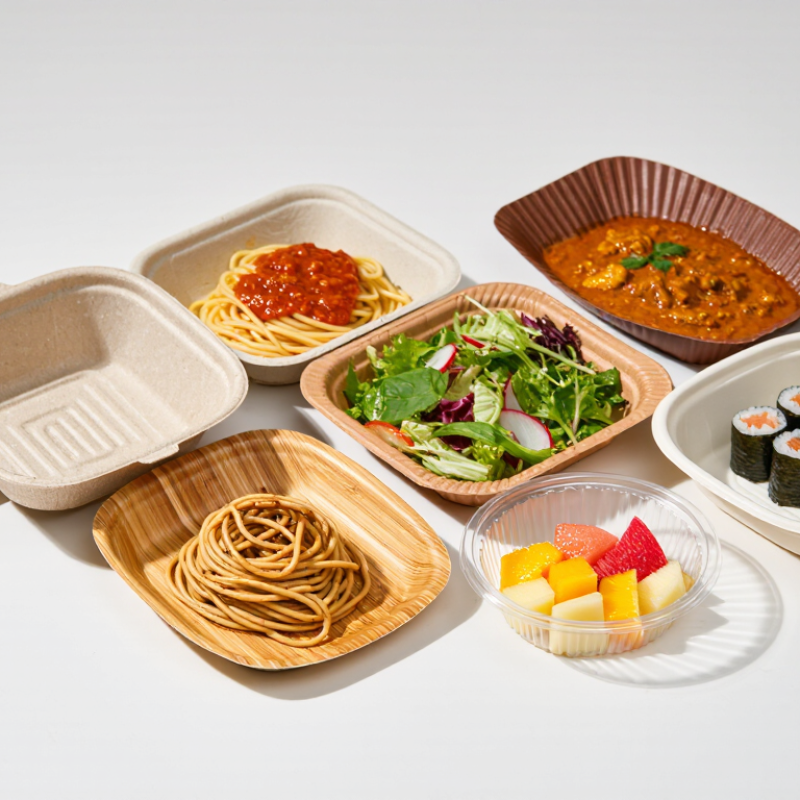
A disposable plate is designed for one meal or a short period of use. It usually requires no washing after serving. Its defining feature is convenience, not simply a lightweight shape. A reliable plate should hold food safely, resist leaking, and remain stable during use. Material, thickness, coating, and manufacturing quality all affect performance. A thin plate may suit fruit, but it can bend under hot pasta.
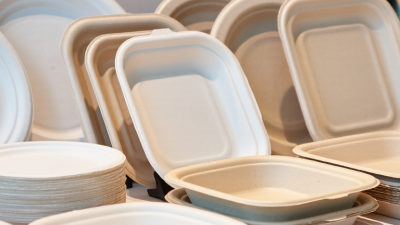
The main types are paper, molded fiber, plastic, and foam plates. Paper plates are light and practical for snacks or dry foods. Molded fiber plates often feel firmer and handle warm meals better. Some are made from plant fibers, but “compostable” does not always mean home-compostable. Plastic plates resist moisture and sauces, although their environmental impact requires careful consideration. Foam plates are light and insulating, yet they may perform poorly when exposed to heat and may face disposal restrictions.
In catering settings, I would match the plate to the meal before choosing its appearance. Greasy barbecue needs stronger support than a sandwich. A family picnic may need a deeper rim and better grip. Check temperature guidance, food-contact information, and local disposal rules. Labels can be confusing. No plate is perfect. Even fiber plates may contain coatings or need special facilities. My own preference can change after testing: a plate that feels sturdy in hand may still soften under hot, oily food.
Paper and cardboard plates are among the most practical disposable options for casual meals. In my experience, ordinary paper plates feel light and comfortable for sandwiches, fruit, and dry snacks. They are easy to stack and usually take little storage space. However, thin paper can bend under hot food or heavy portions. Sauce may soak through the surface surprisingly quickly.
Cardboard plates usually provide greater stiffness. Their thicker structure handles roasted vegetables, pasta, and small servings of meat more confidently. They can also feel safer when guests are standing or eating outdoors. Still, cardboard is not automatically stronger. Moisture, steam, and long serving times can weaken it. Some plates use a coating that changes their disposal considerations, so local waste guidance matters. I once chose a rigid plate for curry, then found its edge softened after several minutes. That was a useful reminder: thickness is only one factor.
Tips: Match the plate to the meal. Choose paper for light, dry foods and short events. Choose sturdy cardboard for heavier portions or buffet service. Check the stated weight and heat limits when available. Avoid overloading any disposable plate. A small test with one serving can prevent spills. Storage also matters; damp cabinets can damage paper products before use. For a more dependable choice, compare rigidity, moisture resistance, surface finish, and disposal instructions rather than judging by appearance alone.
What Are the Best Types of Disposable Plates?
Plastic and foam plates serve different foodservice needs. Choose plastic when meals include sauces, salads, or heavier portions. Rigid plastic resists bending and keeps food presentable during transport. It also handles sharp utensils better than many foam options. Choose foam when insulation matters most. Its air-filled structure helps keep hot food warm and cold food chilled. Foam is lightweight, too.
The choice is not purely practical. The U.S. EPA’s 2018 Facts and Figures report recorded 14.5 million tons of plastic containers and packaging waste. Only 13.1% was recycled. UNEP’s Single-Use Plastics report also notes that packaging represents about 40% of global plastic production. These figures make disposal planning important. A plate labeled recyclable may still lack a local collection route.
For outdoor catering, foam can reduce heat transfer and prevent uncomfortable hot surfaces. Plastic works better for buffet lines, stacked meals, and foods with strong colors. Check plate thickness before ordering. Thin plastic may crack, while dense foam can feel surprisingly stable. I would avoid choosing by price alone. A cheaper plate can create leaks, waste food, and frustrate guests. That judgment remains imperfect. Local recycling access, event duration, food temperature, and municipal restrictions should shape the final decision.
| Evaluation Dimension | Plastic Disposable Plates | Foam Disposable Plates | Practical Recommendation |
|---|---|---|---|
| Typical material | Usually polypropylene (PP), polystyrene (PS), or other food-contact plastics. | Usually expanded polystyrene (EPS), a lightweight foam made from polystyrene. | Check the material label when local disposal rules or food-contact requirements matter. |
| Best for | Meals requiring a firmer plate, heavier foods, sauces, or a more presentable appearance. | Quick, low-cost service of light meals, snacks, cold foods, and casual outdoor events. | Choose plastic for durability; choose foam for lightweight, short-term use. |
| Rigidity and load support | Generally rigid, especially in thicker or compartmented designs; less likely to bend under a full meal. | Light and cushioned, but can flex, crack, or compress under concentrated weight. | Use plastic for meat, layered foods, or meals with multiple side dishes. |
| Resistance to liquids and sauces | Non-absorbent and typically reliable for wet foods, dressings, and sauces. | Non-absorbent, but the plate may deform if exposed to high heat or heavy food. | Both work for liquids; plastic is usually better for large or heavy portions. |
| Heat performance | Heat tolerance varies by resin and product design. PP generally has better heat performance than PS, but the label should be followed. | Poor choice for very hot foods; foam can soften, deform, or lose strength when heated. | For hot meals, select a product specifically marked for hot-food use; avoid heating foam plates. |
| Microwave suitability | Only products labeled microwave-safe should be used in a microwave. Not all plastic plates are suitable. | Generally not recommended for microwave use because heat can deform the foam and affect food safety. | Use labeled microwave-safe PP when reheating is required; transfer food to glass or ceramic when uncertain. |
| Insulation and handling comfort | Provides limited insulation and may feel hot when holding hot food. | Offers better insulation because foam contains many air spaces, helping the outer surface feel cooler. | Choose foam when hand comfort and short-term heat insulation are priorities, subject to local rules. |
| Stacking and storage | Usually stacks neatly; thicker designs take more storage space. | Very light and easy to carry, but foam can be bulky and may crush during transport. | Use plastic for organized catering storage; use foam where low carrying weight is most important. |
| Appearance and presentation | Available in many shapes, colors, finishes, and compartment layouts; often looks more polished. | Usually has a plain, utilitarian appearance and fewer design options. | Select plastic for celebrations, catered meals, and events where presentation matters. |
| Reusability | Some thick plastic plates can be washed and reused, but single-use products should not automatically be treated as reusable. | Designed primarily for one-time use and can lose strength when handled repeatedly. | For repeated use, choose products clearly labeled reusable and follow cleaning instructions. |
| Recycling considerations | Recyclability depends on the resin, local collection program, plate condition, and facility acceptance. A recycling symbol alone does not guarantee collection. | Many local programs do not accept food-service foam because it is lightweight, easily contaminated, and difficult to process economically. | Confirm local rules before disposal; reduce contamination by removing food residue where required. |
| Environmental trade-off | Can be durable and lightweight, but remains a plastic product and may persist if littered or landfilled. | Uses little material by weight, but is bulky, commonly hard to recycle, and prone to litter-related fragmentation. | The lower-impact option depends on local waste systems, product quantity, and whether reuse is practical. |
| Overall choice | Best general-purpose option for hot or heavy meals, sauces, catering, and a more durable serving surface. | Best for lightweight, informal, short-duration service when insulation and low carrying weight are more important than strength. | Always check temperature limits, food-contact labeling, and local disposal regulations before purchasing. |
Note: Performance varies by thickness, shape, resin, manufacturing quality, food temperature, and local waste-management requirements.
What Are the Best Types of Disposable Plates?
Why Compostable and Biodegradable Plates Are Popular
Compostable and biodegradable plates are popular because they can reduce dependence on conventional plastic. The OECD Global Plastics Outlook reports that global plastic waste reached 353 million tonnes in 2019. Packaging created about 40% of that waste. A lightweight plate may seem insignificant, but millions of meals create a different picture.
In catering settings, compostable plates can handle hot rice, sauces, and short outdoor events. Materials may include molded fiber, bagasse, or other plant-based residues. However, “compostable” does not mean it disappears anywhere. Most certified products require controlled industrial composting conditions. ASTM D6400 and EN 13432 provide recognized requirements for compostability claims. Local facilities still determine whether those products are actually accepted.
That is the uncomfortable part. A plate can be technically compostable yet remain in landfill conditions for years. The United Nations Environment Programme estimates that people produce more than 430 million tonnes of plastic annually. Its 2023 assessment also warns that short-lived products drive much of this pollution. Buyers should check certification, local collection rules, and the plate’s real use. A thick plate may prevent leaks, but extra material can reduce its environmental advantage. The better choice depends on food type, disposal access, and transport distance. It is not automatically greener.
Compostable and biodegradable plates are popular because materials such as bagasse, paper, and PLA can come from renewable resources and may reduce reliance on fossil-based plastics. Ratings summarize typical material properties on a 0–5 scale; actual performance depends on local composting facilities, coatings, additives, and disposal conditions. “Compostable” generally refers to controlled composting conditions, while “biodegradable” describes biological breakdown without guaranteeing a specific timeframe or environment.
Selecting the best disposable plate starts with the meal, not the decoration. For a backyard barbecue, choose a rigid plate with a raised rim. It should support grilled food, sauces, and cutlery without bending. Molded-fiber plates suit sandwiches and roasted vegetables, but they may soften under wet foods. Test one before serving guests. Small details matter.
For hot, oily meals, select plates marked for heat and food contact by the manufacturer. The FDA Food Code 2022 emphasizes cleanable, nonabsorbent food-contact surfaces, which makes material instructions worth checking. Paperboard plates work well for office lunches and catered events because they stack neatly and feel more formal. Plastic plates resist moisture, yet they create a heavier environmental trade-off. The U.S. Environmental Protection Agency’s 2018 Facts and Figures report recorded 14.5 million tons of plastic containers and packaging waste, with only 13.1% recycled.
For children’s parties, use lighter plates with wide rims and avoid fragile edges. For picnics, consider certified compostable plates only when a suitable commercial composting service exists. “Compostable” does not always mean backyard compostable. It can also confuse guests. I have learned that the cheapest plate often costs more through spills, doubled servings, and cleanup. Durability should match the food’s weight. A delicate dessert needs less structure than a loaded curry plate. Check microwave guidance carefully, because coatings and heat tolerance differ. The perfect choice is rarely universal.