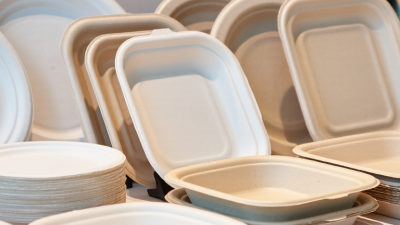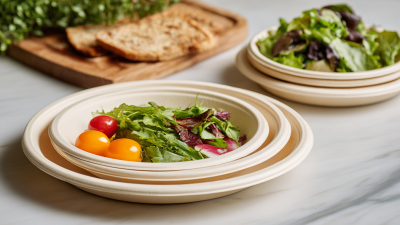
Buying Disposable Plates in bulk is not simply a price comparison. It is a practical decision involving strength, food safety, storage space, and waste management. A low unit price can become expensive when plates bend under hot food, crack during transport, or require excessive warehouse space.
Grand View Research estimated the global disposable tableware market at approximately USD 17.5 billion in 2023. Its report also identified convenience, food delivery, and catering demand as important growth drivers. Meanwhile, the U.S. Environmental Protection Agency continues to show that containers and packaging represent a major share of municipal solid waste. These figures reveal a difficult reality: performance matters, but material choices matter too.
Packaging sustainability expert Robert Lilienfeld has expressed a useful principle: “The best package uses no more material than necessary.” That idea deserves careful reflection. A thinner plate is not automatically better if it fails during service. A compostable plate is not automatically sustainable if local facilities cannot process it. Conditions matter.
This guide compares ten options for bulk buyers, including paper, molded fiber, bagasse, bamboo, and plastic designs. Each choice should be judged against menu temperature, serving duration, stacking pressure, supplier consistency, and disposal infrastructure. We also consider rim strength and surface resistance, because greasy barbecue and steaming pasta test plates differently. Some product claims remain difficult to verify. Buyers should request certifications, specifications, and sample cartons before committing to a large order.
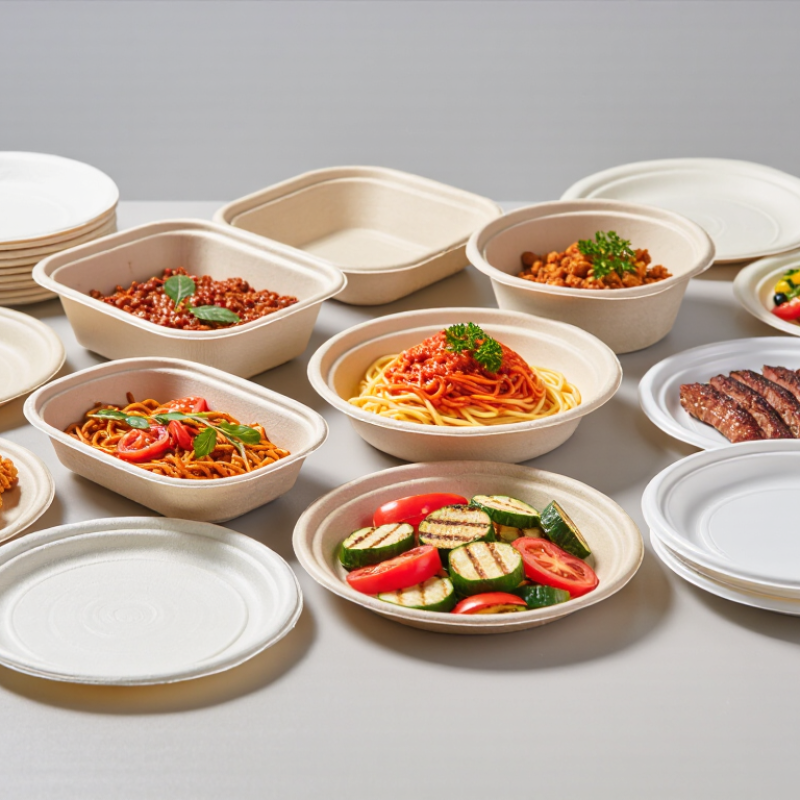
Bulk purchasing disposable plates requires more than comparing carton prices. Buyers should check plate diameter, rim strength, stack height, and moisture resistance. A 9-inch plate may look economical, yet a weak center can force customers to use two plates. That doubles consumption. Test samples with a hot entrée, sauce, and a full serving before ordering thousands.
Material choice also affects storage and disposal planning. The U.S. Environmental Protection Agency reported that containers and packaging generated 82.2 million tons of municipal solid waste in 2018, representing 28.1% of total generation. This figure covers many packaging types, not plates alone, but it shows why procurement teams should measure waste, not just unit cost. The United Nations Environment Programme’s Food Waste Index Report 2024 estimated 1.05 billion tonnes of food waste in 2022. A plate that bends or leaks may increase wasted food.
Look for consistent case counts, readable specifications, and documented food-contact compliance. Paper-based plates can suit dry or moderately moist foods, while coated or molded options may perform better with heavier meals. Recycling claims need careful review; local facilities may reject food-soiled or mixed-material products. I have found that stacking tests are often overlooked. They should not be. Record breakage, storage space, and actual usage after a trial order, then adjust the next purchase. Bulk is only efficient when performance remains predictable.
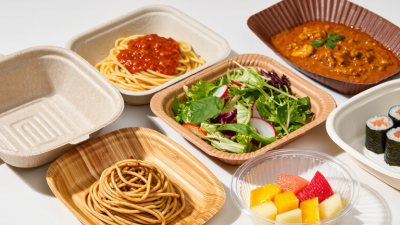
When comparing disposable plates for bulk orders, start with the material, not the advertised strength. Bagasse plates, made from sugarcane fiber, feel firm and suit hot, moist meals. Molded fiber can vary in thickness, so press the center gently and check whether it flexes. Paper plates are lightweight and easy to store, but thin versions may soften under gravy. A small sample test is worth the trouble.
Plastic plates resist moisture and handle cold foods well, though they can feel flimsy when overloaded. Compostable options also differ: the label alone does not tell you how a plate performs or what disposal conditions it needs. Check the supplier’s product specifications and verify claims with relevant documentation. Fit matters, too. Compare plate diameter, rim depth, and stack height against your serving portions and storage shelves. A shallow rim can let sauce creep toward the edge. Not ideal.
For purchasing in volume, test plates with the actual menu. Put a warm entrée and a spoonful of dressing on one, then carry it across the room. Check for leaks, bending, and heat transfer to the hand. These practical checks reveal more than appearance alone. I would also compare carton counts and storage dimensions; a low unit price can be less useful if bulky cartons crowd a small stockroom. It is easy to overlook that detail. Decide which trade-off matters most: sturdiness, storage, appearance, or waste handling.
For bulk buyers, plate dimensions matter more than a low unit price suggests. A 6-inch plate works for cake, fruit, and small samples, but it can feel cramped beneath a generous slice of pie. Choose 9-inch plates for standard lunches, and consider 10-inch options when meals include separate sides. Measure the food, not just the serving table. That detail is easy to miss.
Shape affects both presentation and packing. Round plates suit everyday service and stack neatly in many dispensers. Square plates create a modern look, though their corners may take up extra storage space. For buffet lines, shallow rims help guests pick up food quickly. Deeper edges can keep sauces from sliding onto tablecloths. Test a loaded plate before ordering thousands; a few samples can reveal flex that a product listing won’t show.
Match the plate to the menu and the way people eat. A firm, larger plate may suit barbecue with corn and salad, while a smaller, lighter option can handle pastries at a morning meeting. For foods with gravy, check whether the plate stays rigid when held in one hand. Watch for tipping. A practical choice is not always the prettiest one, and that trade-off deserves a real serving test. Bulk orders magnify small mistakes.
| Plate Type | Typical Size | Shape | Common Material | Best Serving Uses | Bulk-Buyer Considerations |
|---|---|---|---|---|---|
| Small appetizer plate | 6–7 in. (15–18 cm) | Round | Paper, molded fiber, or plastic | Small bites, desserts, samples, and cake slices | Compact and easy to distribute; usually not suitable for full meals or large portions. |
| Standard dessert plate | 8–9 in. (20–23 cm) | Round | Coated paper, molded fiber, or plastic | Pastries, sandwiches, light meals, and side dishes | A versatile event size; check whether the plate is rated for moist or greasy foods. |
| Everyday dinner plate | 10–10.5 in. (25–27 cm) | Round | Paper, molded fiber, or plastic | Entrées, buffet meals, and standard lunch or dinner service | Common all-purpose option; compare stiffness and stack height when estimating storage needs. |
| Large dinner plate | 11–12 in. (28–30 cm) | Round | Heavyweight paper, molded fiber, or plastic | Large portions, barbecue meals, and catered dinners | Offers more serving area but takes up more space in storage and at the table. |
| Sectioned meal plate | 10–10.5 in. (25–27 cm) | Round or divided oval | Molded fiber or plastic | Meals with separate entrée, sides, or sauces | Compartments help keep foods apart; confirm the number and depth of sections suit the menu. |
| Square presentation plate | 8–10 in. (20–25 cm) | Square | Paper, molded fiber, or plastic | Canapés, desserts, tasting portions, and modern buffet presentation | Provides a distinctive look; compare usable surface area with a round plate of similar dimensions. |
| Oval serving plate | 10–12 in. (25–30 cm) long | Oval | Paper, molded fiber, or plastic | Sandwiches, shared appetizers, pastries, and side dishes | Useful for elongated foods and shared service; check that the shape fits standard trays and racks. |
| Deep plate or bowl plate | 8–10 in. (20–25 cm) | Round with raised sides | Molded fiber, plastic, or coated paper | Pasta, saucy dishes, salads, and foods with dressings | Raised sides help contain food; verify suitability for hot liquids and the intended serving temperature. |
| Heavy-duty barbecue plate | 10–12 in. (25–30 cm) | Round or oval | Heavyweight paper or molded fiber | Grilled foods, picnic meals, and generous portions | Look for rigidity and resistance to grease or moisture; performance varies by construction and coating. |
| Compostable-service plate | 9–10.5 in. (23–27 cm) | Round or square | Molded plant fiber or other certified compostable material | Events seeking a disposable option with verified compostability claims | Check the certification and local facility requirements; compostability depends on the product and available processing conditions. |
Comparing the 10 Best Disposable Plate Options means balancing cost, strength, appearance, and disposal needs. For large catering orders, molded-fiber bagasse plates handle warm, moist foods better than thin paper plates, though heavy sauces can soften them over time. Coated paper resists leaks, but its lining may complicate recycling. Plastic plates are lightweight and sturdy; foam is inexpensive but can feel flimsy and is not accepted in many recycling programs. Palm-leaf plates look distinctive, while bamboo and birchwood options suit rustic service but may cost more. PLA plates can be useful for cold foods, yet they are not a reliable choice for hot meals. Details vary by product, so test a sample with your actual menu.
The U.S. Environmental Protection Agency reported that 68.2% of paper and paperboard generated in 2018 was recycled. That figure covers the material category overall, not disposable plates specifically; food residue, coatings, and local collection rules can change what is accepted. For buyers comparing ten options, check thickness, rim stiffness, packed dimensions, and the supplier’s disposal guidance—not just the unit price. A plate that buckles under a full serving is a false economy.
Tips: Test each candidate with a hot entrée and a saucy side for at least 15 minutes. Compare case counts and storage space, too. Compostable labeling can be confusing, and I would not assume a nearby facility accepts the product without checking.
For bulk buyers, the lowest price per plate is not always the lowest event cost. Match plate size and strength to the menu: a 7-inch plate may suit cake, while saucy meals need a wider, sturdier option. Test a sample with the heaviest planned serving. A plate that bends under food can mean spills, extra cleanup, and wasted stock. Small detail. Also compare case counts, storage space, and delivery costs, not just the unit price.
Material choice deserves equal care. The U.S. Environmental Protection Agency’s 2018 waste assessment reported 82.2 million tons of containers and packaging in municipal solid waste, including paper and plastic packaging. That figure covers far more than plates, but it is a useful reminder to plan disposal alongside purchasing. Check what local collection services actually accept; “compostable” or “recyclable” claims do not guarantee access to suitable processing. For repeat events, track plates used per guest and leftover case quantities. I would not assume last year’s attendance predicts this year’s needs exactly. Build in a modest reserve, then revise the order using real counts.
Typical bulk-buy estimates for standard 9–10 inch dinner plates. Lower cost favors large events, while sturdier materials are better for heavier meals.
How to read the chart: Foam and basic paper plates generally offer the lowest unit cost, while molded fiber, palm leaf, bamboo, and wooden plates usually cost more but provide a stronger or more premium serving experience.