Leave Your Message

How to Choose Baking Paper Cups for Your Business in 2026

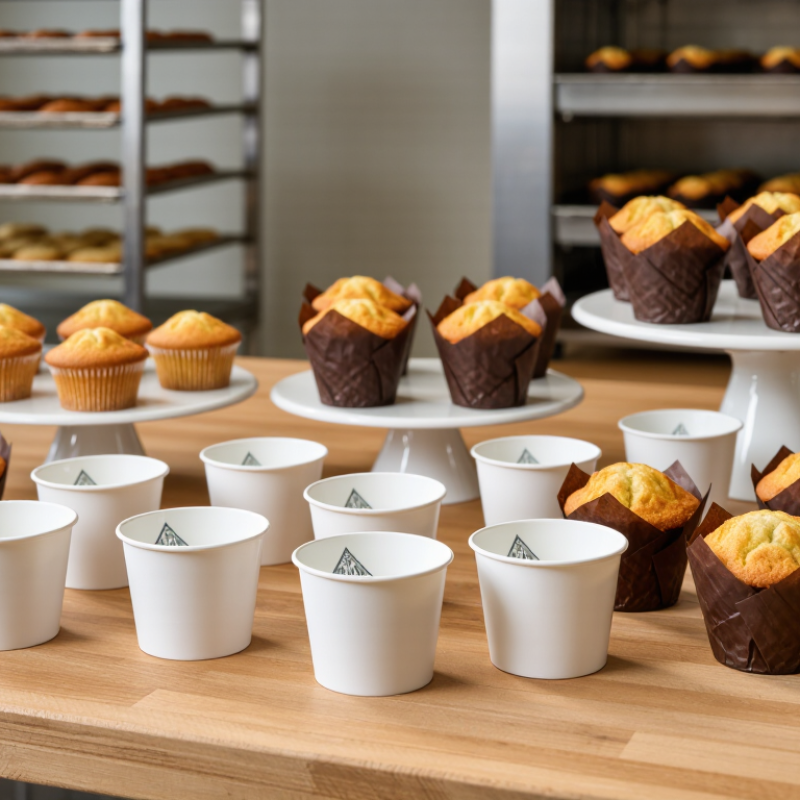
Choosing a Baking Paper Cup in 2026 is not just a matter of picking a color or price. The right cup should suit your recipe, equipment, serving style, and order volume. A tall muffin may need a wider rim and stronger sidewall. A delicate cupcake may need a cleaner release and a smooth, steady shape. Small details matter.

“Test the cup with the product, not just on the shelf,” says Daniel Reed, a composite packaging specialist created for this guide. Treat that as a practical principle, not a verified industry quotation. Run a real bake test. Check whether the base stays flat, the paper releases cleanly, and grease marks show through after cooling. Then repeat the test with your own oven settings. Results can vary.

This guide explores paper weight, cup dimensions, coatings, print quality, and supplier checks. Ask for technical specifications and food-contact documentation relevant to your target market. Compare samples before committing to a large order. A low unit price can look attractive. It may also hide inconsistent sizing or weak performance. That part is easy to overlook. And no sample test can predict every production issue, so review the first full batch carefully. We’ll focus on practical checks businesses can use to make a more informed choice, without assuming one cup fits every bakery.
How to Choose Baking Paper Cups for Your Business in 2026

Define Your Business Needs and Baking Requirements

Start with your product mix, not a catalogue. Mini muffins, dense brownies, and high-fat cupcakes place different demands on a paper cup. Record each item’s batter weight, bake temperature, and time in the oven. Then decide whether the cup must also look presentable in a display case or travel inside a takeaway box. These details shape the cup’s size, grease resistance, and rim strength.

Estimate demand by SKU and by peak baking day. A cup that fits a standard muffin may still crowd a larger portion or loosen during filling. Fortune Business Insights valued the global paper cups market at USD 10.37 billion in 2023 and projected USD 16.34 billion by 2032. That broad market forecast is not a baking-cup sales estimate, but it underlines why buyers should confirm specifications rather than assume every paper cup suits oven use. Ask suppliers for documented oven-temperature limits and food-contact information.

Run a small production trial before committing to a large order. Bake your heaviest, fattiest recipe in the cup, then check for seepage, peeling, and shape after cooling. Keep notes on demolding and packing; rushed tests can miss problems that appear during a busy shift. Test before scaling. A slightly uneven rim may be acceptable for a market stall, but not for a neat retail display. Decide which imperfections your customers will notice.
Choose Baking Paper Cups by Product Size

Approximate batter fill per cup at two-thirds of its brim capacity—a practical starting point for matching cup size to your product and batch requirements.

Illustrative estimates based on typical brim capacities of 30 mL, 75 mL, and 150 mL. Cup dimensions and capacity vary by supplier; check product specifications and test with your recipe before ordering in bulk.

Compare Paper Cup Materials, Linings, and Heat Resistance

How to Choose Baking Paper Cups for Your Business in 2026

Choosing baking paper cups starts with the product, not the color. Kraft paper suits many muffins and light batters, while grease-resistant paper can help contain butter and oil. Some cups have a thin coating or barrier layer. It may improve release, but can affect recycling or composting options. Check the material details rather than relying on broad packaging claims.

Linings and heat resistance matter in daily production. Uncoated cups may absorb more moisture, while coated cups can resist grease but behave differently during baking. There is no single safe temperature for every cup. Confirm the supplier’s oven-use guidance, especially if your recipes bake for a long time or at high heat. Then test cups with your own batter: watch for browning, leaks, peeling, and changes in shape. A small trial may catch problems that a sample photo will not.

Tips: Match cup size to batter volume, and leave room for rising. Test a full tray in your actual oven. Check the finished cups after cooling, too; a cup that looks fine hot may soften later. It is easy to overlook that.

How to Choose Baking Paper Cups for Your Business in 2026 - Compare Paper Cup Materials, Linings, and Heat Resistance

Cup Material Typical Lining or Treatment Heat-Resistance Guidance Grease and Moisture Performance Suitable Applications Key Purchasing Check
Greaseproof baking paper Usually uncoated cellulose paper; grease resistance is commonly achieved through paper processing rather than a plastic film. There is no universal temperature rating. Use in an oven only when the cup is specifically identified as oven-safe and the supplier provides a temperature limit. Good resistance to fats; moisture resistance is generally limited compared with a film-lined cup. Muffins, cupcakes, and other baked goods when the product is designed and rated for baking. Confirm the maximum oven temperature, intended baking time, and whether the cup needs support from a muffin tray.
Silicone-coated parchment paper Paper coated with silicone to provide a non-stick surface and help release baked goods. Some baking papers are rated around 220–230°C (428–446°F), but ratings vary by product. Follow the supplier’s stated limit. Typically offers good release and resistance to grease; performance depends on the paper grade and coating. Oven-baked cupcakes, muffins, and similar products where easy release is important. Check the exact temperature rating, food-contact compliance, and whether the rating applies to the finished cup—not just the base paper.
Glassine paper Dense, smooth, calendered paper; usually not plastic-coated. Do not assume it is oven-safe. Use for baking only if the finished cup is explicitly tested and rated for oven use. Smooth and useful for dry-food separation; it is not a reliable moisture barrier and may not release baked goods as easily as silicone-coated paper. Dry-food liners, confectionery presentation, or baking applications only when specifically approved for oven use. Ask whether the product is intended for baking or only for wrapping, separation, and presentation.
Polyethylene (PE)-lined paper Paper with a polyethylene film layer, commonly used as a moisture barrier in food-service packaging. Generally not intended for conventional oven baking. Do not use in an oven unless the finished product has an explicit oven-safe rating. Provides a stronger barrier to liquid and moisture than uncoated paper; the lining can affect compostability and recycling options. Food-service cups and packaging for foods that are not baked in the cup. Verify the lining material and intended use; a hot-drink or hot-food rating does not mean the product is oven-safe.
Polylactic acid (PLA)-lined paper Paper lined with a plant-derived PLA bioplastic, often selected for specific packaging or compostability programs. Heat performance depends on the PLA grade and construction. Do not use for oven baking unless the supplier provides an explicit oven rating. Can provide a moisture barrier, but performance and end-of-life options depend on the product and local waste facilities. Food-service packaging where the lining is suitable for the food, temperature, and disposal system. Request the finished cup’s temperature limits and confirm whether local commercial composting accepts the complete product.
Multi-ply or reinforced baking paper Multiple paper layers or a reinforced paper structure; coatings vary by product and may include silicone. There is no standard rating for reinforced cups. The supplier’s tested limit for the finished cup is the relevant rating. May improve cup strength and shape retention; grease and release performance depend on the surface treatment. Higher-volume baking or products that need more support during filling, baking, and handling. Check cup dimensions, wall strength, tray compatibility, and the stated oven limit under actual bake conditions.

Buying note: Heat resistance depends on the complete cup, including its paper, lining, seams, and printing—not just the material name. Request the supplier’s technical specification for maximum temperature and use duration, and test the cup in your own oven and recipe. A rating for hot-fill service is not the same as an oven-safe rating.

Choose Cup Sizes, Shapes, and Designs for Your Products

Choose baking cups by the cake you sell, not by the supplier’s size label. Measure the pan cavity, cup base, rim, and finished cake; a few millimeters can affect fit and presentation. For standard cupcakes, test a round cup in your actual tray before ordering bulk. Tulip cups add height for domed muffins, but may crowd low display cases. Square cups suit brownies and dense cakes. Keep it practical.

Allied Market Research’s Bakery Packaging Market report valued the market at $10.3 billion in 2021 and forecast $15.8 billion by 2031, a projected 4.4% compound annual growth rate. This is market context, not proof that one cup style sells better. For design, check how the print looks beside frosting, fruit, and labels. Pale patterns can disappear against vanilla cake. Bold colors may overpower delicate products. Ask for samples, bake with your usual recipe, and inspect grease marks after cooling. A sample can still mislead. Test several batches, including the uneven ones, before settling on a size or finish.

Check Food Safety, Sustainability, and Regulatory Standards

A baking paper cup must hold its shape under real oven conditions, not just look sturdy in a sample box. Check its stated temperature range, grease resistance, and performance with your batter and baking time. Heat matters. Ask for food-contact documentation covering the paper, coatings, inks, and adhesives. If a supplier cannot explain what the documents apply to, pause before placing a large order.

Food safety requirements vary by sales market, so confirm current rules for each destination. Request relevant migration test results and a declaration of compliance, and check that the tested cup matches the product being supplied. Keep batch records and written specifications. A certificate alone may not answer every question, especially if materials or manufacturing sites change.

Sustainability claims need the same careful review. Ask whether the cup is recyclable or compostable in the places your customers can actually access those services. Paper isn't automatically safer. Coatings can affect disposal options, while certification scope and local facilities may differ. Compare fiber sourcing, packaging weight, and supplier traceability; then verify claims against current documents. One detail is easy to miss: a greener cup may perform poorly in a humid storage room, creating waste rather than reducing it. Test samples after storage, not only straight from delivery.

Assess Suppliers, Costs, Samples, and Quality Control

Choosing baking paper cups starts with a clear supplier comparison. Ask about paper weight, cup dimensions, oven-temperature limits, production capacity, and typical lead times. Request food-contact documentation and details about coatings or inks. A low unit price can hide setup fees, bulky cartons, freight, or a high defect rate. Compare the full delivered cost, not just the quote. Small details matter.

Order samples before committing. Test them with your own batter, trays, and baking temperature. Check whether the cups keep their shape, release cleanly, and resist grease after cooling. Stack them as they will be stored, too. A sample may look excellent while a production run varies, so ask how samples are matched to routine manufacturing. This step takes time. It can save a costly surprise.

Agree on measurable quality checks with the supplier. Set acceptable ranges for cup diameter, height, paper weight, and print alignment. Ask for checks on seams, color consistency, and carton counts during production. Keep a reference sample and request batch records for repeat orders. Even a tidy checklist can miss something; review the first shipment carefully and report specific defects with photos. Reliable quality control is a process, not a promise.