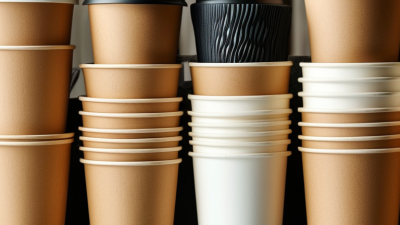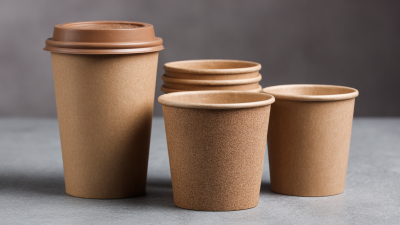
Choosing Kraft Paper Cups in 2026 requires more than comparing brown paper, prices, and printed logos. The real decision sits between barrier performance, fibre sourcing, cup forming, recycling access, and customer expectations. Smithers’ paper-packaging research continues to identify sustainability, lightweighting, and improved fibre performance as major market forces. Meanwhile, Grand View Research estimates continued growth in the global paper cups market, driven by takeaway drinks, delivery services, and changing consumer preferences.
Packaging consultant David Luttenberger of Mintel has noted, “Packaging is a silent ambassador for the brand.” That idea matters at the café counter. A sturdy cup with a clean rim feels dependable in the hand. A weak sidewall, leaking seam, or lid that loosens can undo an otherwise excellent product. The word “kraft” alone proves little.
A practical choice should examine paperboard weight, polyethylene or dispersion coating, heat resistance, stacking strength, print quality, and end-of-life options. Ask suppliers for food-contact documentation, fibre certifications, test results, and production samples. Do not rely only on a glossy sustainability claim. It is easy to overstate environmental benefits when local recycling systems cannot process used cups.
This guide will compare the details that buyers often overlook. Some recommendations may remain imperfect. No cup performs best in every market. A small independent café, a stadium vendor, and a nationwide chain face different operating pressures. The best Kraft Paper Cups are therefore not simply attractive or compostable. They are fit for purpose, honestly documented, and matched to the disposal reality customers actually face.
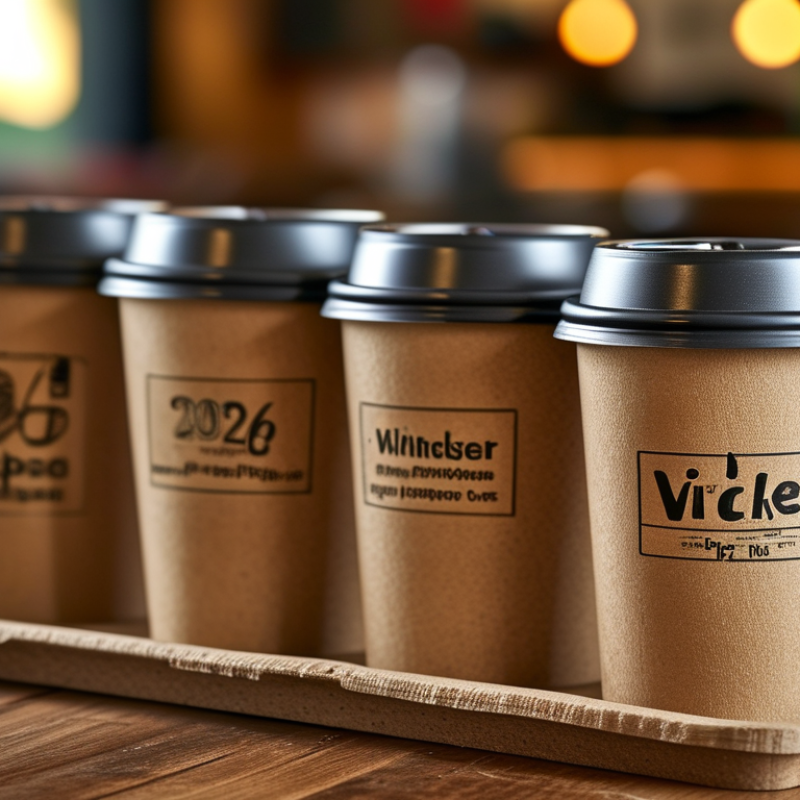
Cup capacity should follow the drink, not guesswork. A 4 oz kraft paper cup suits espresso, small tastings, and concentrated samples. Six to eight ounces work well for cappuccino, flat white, and hot tea. Choose 10 or 12 oz for regular coffee, lattes, and workplace service. A 16 oz cup fits iced coffee, cold tea, and larger takeaway drinks. The National Coffee Association’s Fall 2024 National Coffee Data Trends report found that 67% of U.S. adults had consumed coffee the previous day. That demand covers several serving occasions, not one universal size. For practical specification, check the filled volume, lid fit, rim diameter, and beverage temperature.
Tips: Test every size with the actual recipe. Milk foam can reduce usable space. Ice changes the balance. A 16 oz cup may look generous but feel wasteful for a small hot drink. Smithers’ report, The Future of Paper-Based Packaging to 2028, identifies continued growth in paper-based packaging demand, yet sustainability depends on material design and disposal systems. Choose certified paper where possible, but verify the coating and local recovery options. Double-wall construction improves comfort; a sleeve may reduce material use, though it adds another component. My own testing would not rely on a catalogue photo. Small differences in rim strength can affect sealing, pouring, and customer confidence.

How to Choose Kraft Paper Cups in 2026?
When selecting kraft paper cups, compare paper grade before judging appearance. An 180–220 gsm cup feels lighter and suits water, juice, or short service periods. However, it may soften faster with hot drinks. A 250–300 gsm structure offers better balance. It usually provides stronger walls, improved grip, and more reliable stacking. Cups from 320–350 gsm feel rigid and premium, but they add material weight and shipping cost.
Virgin-fiber paper often delivers cleaner formation and more consistent strength. Its longer fibers can support smoother sidewalls and stronger seams. This matters when a cup holds hot coffee for twenty minutes. Still, virgin fiber alone does not guarantee performance. Coating quality, rim construction, moisture resistance, and forming pressure also matter. In practical testing, fill the cup, hold it by the rim, and check leakage after ten minutes. A heavier cup is not automatically better. This is an easy assumption to question.
Tips: Match gsm to use, not appearance. Test 180–220 gsm for cold drinks and brief service. Choose 250–300 gsm for regular takeaway use. Consider 320–350 gsm when rigidity and presentation matter. Ask for food-contact documentation and test samples at serving temperature. Check the cup after thirty minutes, too. Some failures appear late. Reducing gsm can lower waste and cost, but only if the seam remains stable. I would not approve a grade from specifications alone. Real handling can reveal an uncomfortable gap between laboratory results and daily use.
Practical comparison of kraft cupstock grades. Values are typical indicative ranges and should be confirmed with the paper mill and finished-cup testing.
| Basis Weight | Typical Cup Application | Stiffness and Handling | Insulation Profile | Virgin-Fiber Performance | Barrier and Converting Considerations | Recommended Selection |
|---|---|---|---|---|---|---|
| 180–200 gsm | Small cold-drink cups, sampling cups, lightweight beverage formats, and applications where material saving is important. | Lowest stiffness in this comparison. More sensitive to rim deformation, denting, and loss of shape during filling or stacking. | Limited thermal protection as a single wall. Usually better suited to cold or ambient beverages unless the cup design adds structural support. | Virgin long-fiber kraft can improve tear resistance, edge integrity, and wet-strength retention compared with a weaker furnish at the same grammage. | Requires a well-controlled moisture barrier and accurate scoring. Lower caliper leaves less tolerance for sealing and forming variation. | Choose when low material usage and compact cup sizes are the priority, and the finished cup passes compression, leakage, and rim tests. |
| 210–230 gsm | Standard cold-drink cups and lighter single-wall hot-drink cups, subject to cup diameter, coating, and forming design. | Balanced flexibility and stiffness. Generally easier to die-cut, crease, side-seam, and stack than lighter grades. | Moderate single-wall performance. A separate sleeve may still be needed for comfortable handling of hot beverages. | Virgin fiber typically provides a clean, uniform sheet structure, good folding behavior, and reliable strength after printing and coating. | A common range for cost-conscious cupstock. Confirm coating adhesion, heat-seal behavior, and resistance to liquid penetration. | A practical starting point for everyday cups when size, rigidity, and material cost must be balanced. |
| 240–260 gsm | General-purpose cold cups, medium-size hot cups, takeaway beverages, and applications requiring a more substantial hand feel. | Good balance of vertical compression strength, rim stability, and resistance to handling damage. | Improved heat resistance by structure, but paperboard alone is not a substitute for a sleeve or double-wall construction. | High-quality virgin fiber supports consistent formation, strong creases, and better resistance to cracking at folds and the side seam. | Often suitable for water-based or dispersion-coated cupstock when coating coverage and sealing conditions are properly controlled. | Select for a versatile cup specification with a stronger feel and a wider operating margin during production. |
| 270–300 gsm | Large cold cups, premium single-wall hot cups, thicker takeaway formats, and cups requiring enhanced body strength. | High stiffness and improved crush resistance. Heavier stock may require optimized creasing, die pressure, and machine settings. | Better surface-temperature performance than lighter grades, although hot-liquid protection still depends on cup geometry and construction. | Virgin-fiber cupboard can maintain strength and dimensional stability under humid filling conditions when paired with an appropriate barrier system. | Provides more material for reliable forming, but excessive stiffness can increase blanking waste or cause cracking if the coating and crease profile are poorly matched. | Choose for larger volumes, demanding logistics, or a premium tactile experience where added material is justified. |
| 310–350 gsm | Large-format cups, heavy-duty cold cups, robust food-service packaging, or structures designed for high stacking and transport loads. | Highest stiffness and crush resistance in the range. The board may be less forgiving during tight-radius creasing and forming. | Strongest single-wall body effect, but true thermal insulation remains limited without an air gap, sleeve, or double-wall design. | Virgin long-fiber content can help preserve tensile and tear performance while supporting clean converting at higher basis weights. | Check blank nesting, die-cutting force, crease cracking, side-seam compatibility, and the total package weight before standardizing. | Use when structural strength and premium handling are more important than minimum material consumption. |
When choosing kraft paper cups in 2026, examine the lining before judging the paper. The lining controls leak resistance, heat performance, and end-of-life options. A 10–20 gsm PE layer remains practical for many hot and cold drinks. It creates a reliable moisture barrier with relatively low material use. However, thinner coatings can struggle with long holding times or very hot liquids. Test the finished cup, not only the coating specification.
PLA lining can support renewable-material goals, but its performance depends on formulation, sealing quality, and temperature exposure. It also usually requires suitable industrial composting conditions. PFAS-free barrier options are increasingly important for buyers seeking safer chemistry profiles. Ask for current food-contact documentation, migration data, coating weight, and independent test results. I once focused too heavily on compostability claims. The disposal system mattered more than expected.
Tips: Fill sample cups with the intended beverage for several hours. Check the rim, sidewall, base, and seam for softening or leaks. Compare 10 gsm and 20 gsm samples under real serving conditions. Request clear evidence for PFAS-free claims and applicable regulatory compliance. Do not assume a heavier lining is automatically better; it may increase cost and complicate recovery. A small test helps.
When choosing kraft paper cups in 2026, verify food-contact compliance before comparing print quality or price. The paper surface is only one layer. Liners, coatings, inks, adhesives, and sealing agents can also contact food indirectly.
FDA 21 CFR 176.170 covers paper and paperboard contacting aqueous and fatty foods. Ask for evidence linked to the finished cup, not only the raw paper. The documentation should match food type, temperature, contact time, and intended use. “Food grade” alone is too vague. It is not enough.
For European sales, Regulation (EC) No 1935/2004 requires materials to avoid harmful migration and unacceptable changes in food composition, taste, or smell. Request migration test results, supplier declarations, production-lot traceability, and applicable GMP records. A European Declaration of Compliance should identify the complete article and restrictions clearly. FDA acceptance does not automatically prove EU compliance.
FAO Forestry Production and Trade data reports global paper and paperboard production above 400 million tonnes annually. That scale does not guarantee safer cups. It only shows how complex the supply chain can become.
During a factory review, inspect cup seams, inner coating uniformity, and odor after hot-water filling. Small defects matter. Ideally, test the actual cup, not a similar sample. I would also recheck documents after any coating or adhesive change, because suppliers sometimes update materials quietly.
Choosing kraft paper cups in 2026 requires more than checking paper color or unit price. Audit the supplier’s FSC Chain of Custody certificate first. Check its certificate number, scope, site address, and validity date. The scope should cover the materials used for your cup production. Ask for transaction records linking certified paper to purchase orders and batch codes. Small gaps matter.
ISO 9001 provides a useful view of process control, not automatic proof of cup safety. Request the current certificate, audit status, corrective-action records, and documented production procedures. Then compare those documents with the factory floor. Are calipers calibrated? Are paper rolls identified? Do operators record coating temperature, forming pressure, and rejected quantities? A certificate can look impressive while daily records remain weak. That is an uncomfortable but necessary check.
Leak testing needs written conditions. Ask which cup sizes are tested, how many samples are selected, and what acceptance limit applies. A credible protocol may include hot-liquid holding, inversion, seam inspection, and pressure or transport simulation. Request dated test reports from recent production batches, not only a blank template. Inspect samples yourself after filling them with hot water for several minutes. Look beneath the base and around the side seam. I would not rely on a single passing sample; handling damage and temperature changes can expose weak seals. Even a careful audit has blind spots. Record them before approving the supplier.